Regional buying guide ·
Commercial Kitchen Equipment in British Columbia: Wholesale Buying Guide
British Columbia buyers sit closest to the ocean freight gateway. Here is how Technical Safety BC, GST and PST, and coastal conditions shape a kitchen equipment order.
Buying at the port gateway
British Columbia is where almost all ocean freight from Asia first touches Canada, so buyers here get the shortest transit times in the country. Ocean freight lands at the Port of Vancouver or Prince Rupert, typically two to three weeks port to port, then moves on by truck or rail. For a restaurant group, a hotel or a care home that needs equipment by a fixed opening date, that geography is an advantage, and it is why we start planning every Lower Mainland quote from the port outward. Our range of commercial kitchen equipment is quoted delivered, to the address you give us.
Who buys in BC, and what they order
Demand follows high-rise and wood-frame construction in the Lower Mainland, tourism and hospitality across the province, and resource and farm operations in the Interior. Typical buyers are home-builders, contractors, hospitality operators, property managers and landscaping firms that also run catering or staff kitchens. A few examples of what suits each:
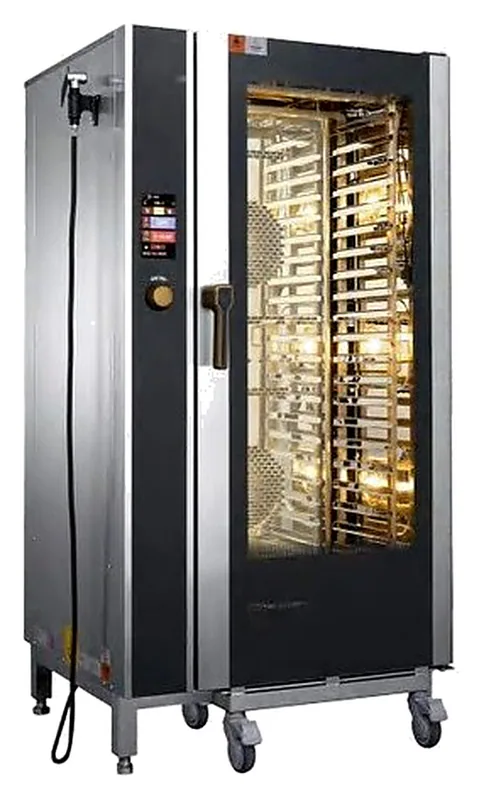
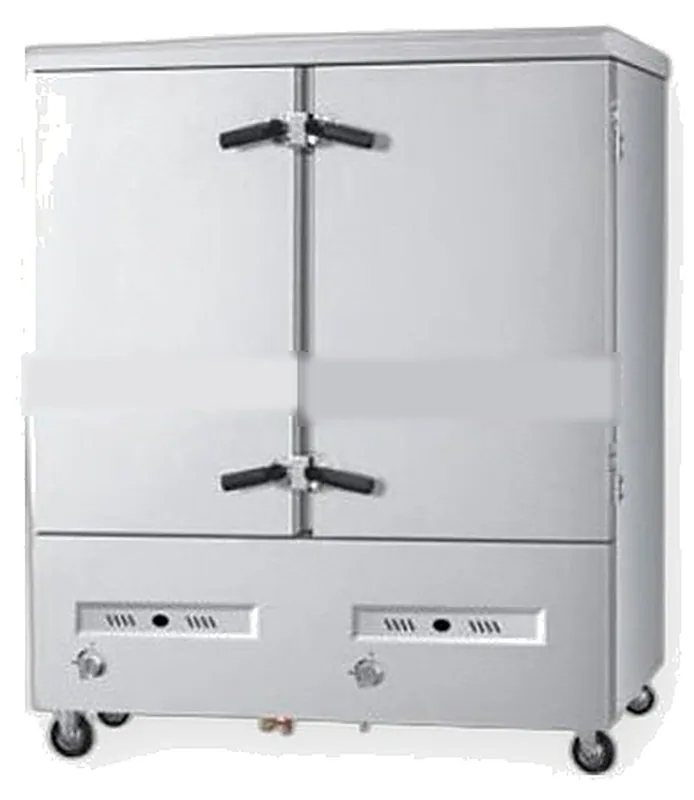
- Hotel and resort kitchens often combine the Combi Oven (TVD-596) (steam plus convection, multi-tray) with the Steam Cabinet, Two Door (TVD-599) for volume.
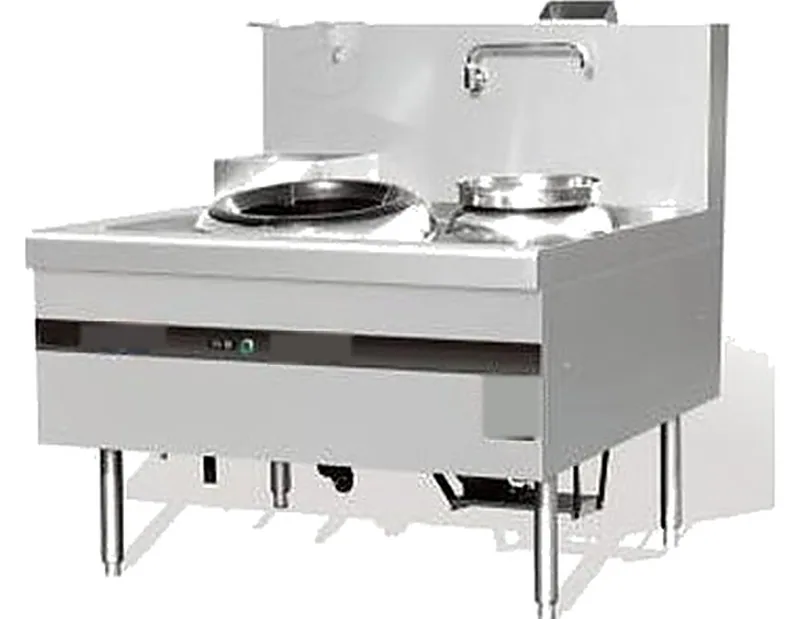
- Asian restaurants, which are a major part of the Lower Mainland scene, look at the Chinese Wok Range, Two Burner (TVD-598), with high-output burners and water-cooled tops.
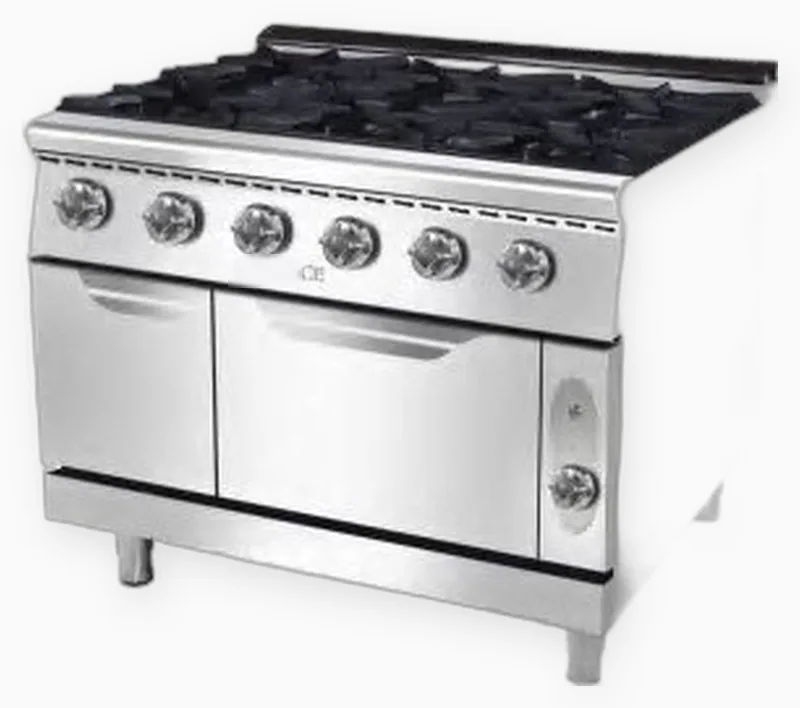
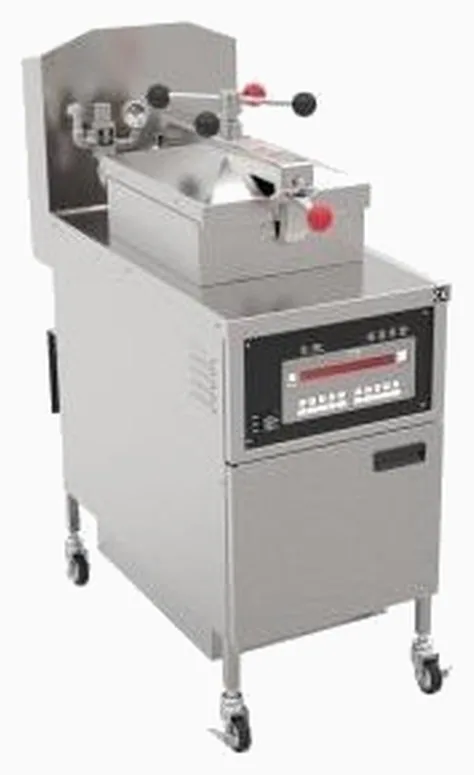
- Casual and quick-service operators can pair the Gas Range with Oven (TVD-593) with the Pressure Fryer (TVD-595) for chicken.
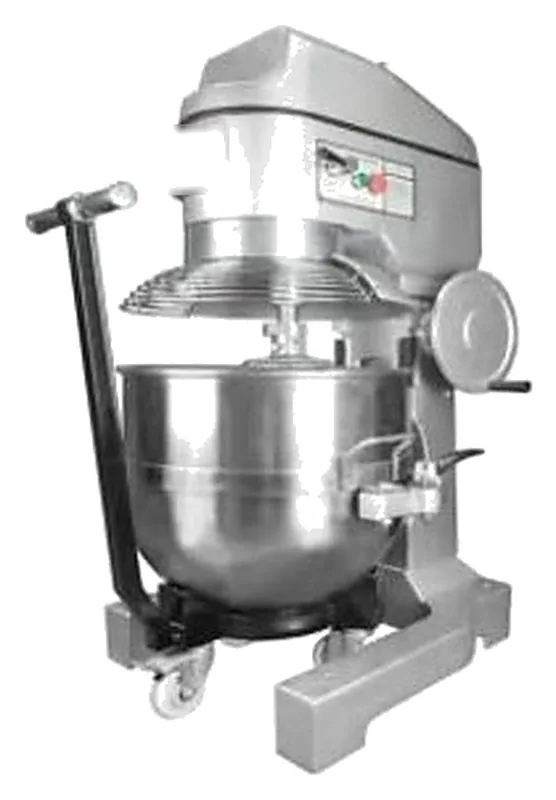
- Bakeries and pastry kitchens use the Planetary Mixer, Floor Model (TVD-600), which comes in bench and floor models with a bowl guard.
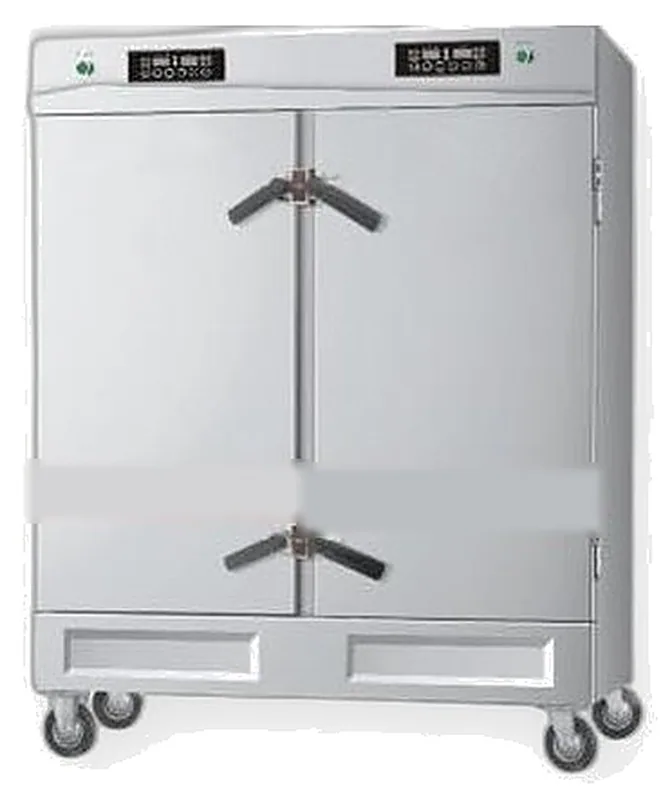
- Facilities that want electronic controls on steam can ask about the Steam Cabinet, Two Door, Digital (TVD-10814).
Technical Safety BC and what it means for your order
Electrical and gas products installed in British Columbia fall under Technical Safety BC and need a recognised certification mark. Gas installation must be done by a licensed gas fitter, and commercial gas cooking equipment needs recognised certification to the gas food-service equipment standard (CSA/ANSI Z83.11, CSA 1.8). A US-only mark is not enough for electrical items, and the CE mark is not recognised as proof of compliance. No certification mark is on file for the products on this page, so we make no claim of certification. We confirm certification status and supply the documents with the quote, before you order. Rules change, so confirm with Technical Safety BC or your inspector. Our CSA, cUL and cETL guide explains the marks, and the gas range certification guide lists the documents.
Coastal humidity and kitchens
The coast is humid, and winters on the Lower Mainland and Vancouver Island are damp rather than bitterly cold. For kitchen equipment, that makes stainless steel grade and thickness worth asking about, since steel in a salt-air or damp location is tested harder than in a dry interior. We confirm grade and thickness on the quote. Ventilation and drain connections also deserve attention in humid buildings, so ask your installer early.
Freight beyond the port
From the port, trucks or rail carry the load. Containers headed for the Interior, such as Kelowna and Kamloops, are a longer haul than those for Surrey or Richmond, and Vancouver Island and northern deliveries add a further leg. For northern buyers, consolidating the whole order into one shipment saves repeat trips. Lead time and delivered cost are on your written quote.
Sales tax in BC
British Columbia charges 5% GST plus 7% PST on delivered goods. The exact treatment of an item depends on how it is used, so ask your accountant, and see the sales tax by province guide. Import duty depends on tariff classification and origin and is confirmed by our customs broker before we quote. The landed cost calculator helps with budgeting.
Cities we deliver to in British Columbia
- Vancouver: a Pacific port city with high-rise residential, hotels and restaurants
- Surrey: townhouse and low-rise projects and a large trades base
- Burnaby: towers around Metrotown and Brentwood, plus film studios and light industry
- Victoria: hotels, restaurants and care homes in steady renovation
- Kelowna: wineries, tourism and a fast-growing housing market
- Abbotsford: farming in the Fraser Valley and steady home building
- Richmond: warehouse districts and a fishing harbour at Steveston
- Coquitlam: condo building around rapid transit stations
- Nanaimo: a ferry gateway and regional hospital on central Vancouver Island
- Kamloops: where highways and both national railways cross
- Prince George: the supply centre for northern British Columbia
More on the British Columbia delivery page.
Planning a BC fit-out calendar
Work backwards from the day the kitchen must open. Subtract the delivery leg from the port, the transit time port to port, the factory lead time shown on your quote and the days your gas fitter and electrician need for hook-up and inspection. If the total will not fit, raise it when you request the quote; we can discuss which items are the critical path and which can follow in a later container. Hotels and restaurants with a fixed season start tend to order the long-lead items first and add smaller pieces such as mixers afterward.
Ordering from BC
Orders are quoted in writing for your quantity and delivery address, never from a posted price. Low trial minimums are common, samples are available on most items with their cost usually credited, and payment is 30% deposit and 70% before release. See how ordering works or request a quote. Compare the neighbouring markets in Alberta, Ontario and Nova Scotia, read the gas range with oven guide, and use our wholesale guide and Canada hub.