Buyer guide ·
Commercial kitchen equipment certification in Canada: electrical, gas and sanitation
A range, fryer or dishwasher has to clear three separate checks in Canada: electrical, gas and sanitation. Here is what each one means and how to avoid a refused inspection.
Opening a kitchen is a sequence of sign-offs. The electrician needs an accepted mark on every plugged-in or wired appliance. The licensed gas fitter needs recognised gas certification before connecting a burner. The health inspector looks at how cleanable the equipment is. A single missing document can hold a restaurant opening. This guide explains each layer so you can ask the right questions before a deposit is paid.
Three layers, three questions
| Layer | The question | Who checks |
|---|---|---|
| Electrical | Does the appliance carry a Canadian electrical mark, and does it match the building's voltage and 60 Hz? | Provincial electrical safety authority, electrician, insurer |
| Gas | Does gas equipment carry a recognised gas certification, and is it set for the right gas and pressure? | Provincial gas authority and a licensed gas fitter |
| Sanitation | Is the equipment durable and easy to clean, and does it meet what the health unit and landlord ask for? | Public health inspector, landlord, franchisor |
Electrical: marks that count in Canada
Electrical products sold or installed in Canada must carry a certification mark from a body accredited by the Standards Council of Canada. CSA, cUL and cETL are the familiar ones, and the small "c" means Canada. Another route is a field evaluation or special inspection label from an accredited body. Provincial and territorial electrical safety authorities enforce this, for example the Electrical Safety Authority in Ontario. Inspectors can refuse uncertified equipment, and insurers may question it.
A US-only mark, meaning UL without the "c" or ETL without the "c", is not enough for Canada. Neither is the CE mark: Canada does not recognise CE as proof of compliance for electrical, gas or consumer products. Commercial cooking appliances are certified to a CSA C22.2 standard for commercial cooking appliances, and commercial refrigeration to the CSA C22.2 standard for refrigeration equipment. For a plain-language comparison of the marks, read our CSA, cUL and cETL explainer.
Voltage and frequency
Canadian supply is 120 V or 240 V single-phase and 208 V or 600 V three-phase, all at 60 Hz. Commercial buildings commonly have 208 V or 600 V three-phase. Equipment rated 220 V and 50 Hz must be confirmed as built for Canadian voltage and 60 Hz before ordering, because motors, timers and compressors can misbehave on 60 Hz. Check the panel and the supply with your electrician and put the answer on the purchase specification.
Gas: standards and who may connect
Commercial gas cooking equipment needs a recognised certification to the gas food-service equipment standard (CSA/ANSI Z83.11, CSA 1.8). Outdoor cooking gas appliances use CSA/ANSI Z21.58, CSA 1.6. Installation is regulated provincially and must be done by a licensed gas fitter, for example under TSSA in Ontario, Technical Safety BC in British Columbia or the Régie du bâtiment du Québec in Quebec, with other provinces having their own gas safety branch. Equipment without a recognised gas certification can be refused at inspection. Field approval is sometimes possible, but it is costly, and it adds time you may not have before opening day. Always confirm natural gas or propane, which decides the orifices, and the gas pressure, before ordering.
Sanitation: what inspectors and landlords ask for
Provincial food premises regulations and local public health inspectors require food equipment that is durable, easy to clean and kept sanitary. Many inspectors, landlords and franchisors ask for NSF/ANSI or an equivalent sanitation certification, for example NSF/ANSI 4 for cooking, 7 for refrigeration, 2 for food equipment and 3 for dishwashers. Check with your health unit and landlord which one applies, and get it in writing. Commercial refrigerators and some commercial equipment can also fall under Natural Resources Canada's Energy Efficiency Regulations, so check whether the product category is regulated.
Applying it to the equipment you are buying
The table below links to our equipment guides. In every case, certification status is confirmed on the written quote and the documents are supplied before you order. Nothing here is a claim that a given unit carries a particular mark.
| Equipment | What to check first |
|---|---|
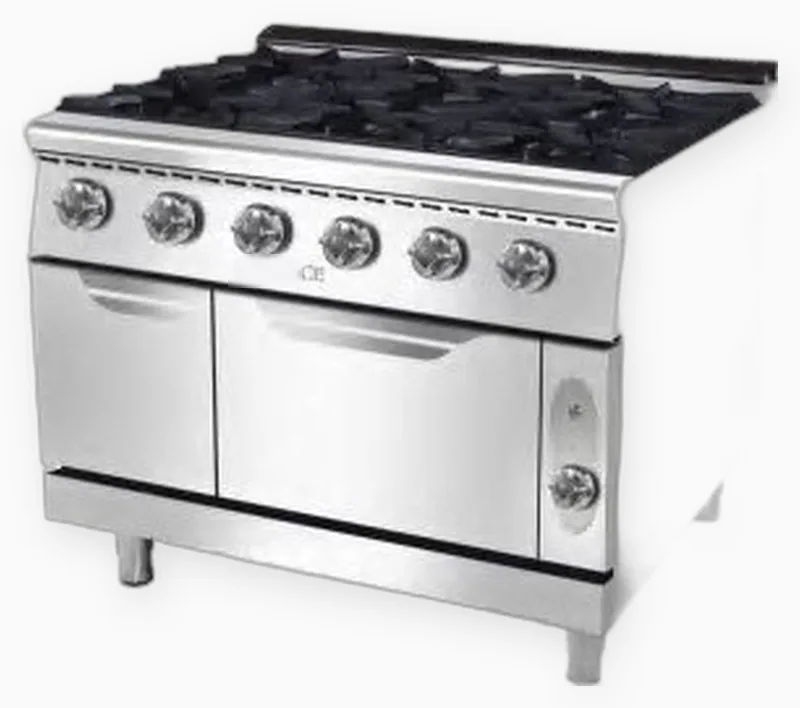
| Gas range with oven (TVD-593) | Gas certification, natural gas or propane, pressure, licensed fitter |
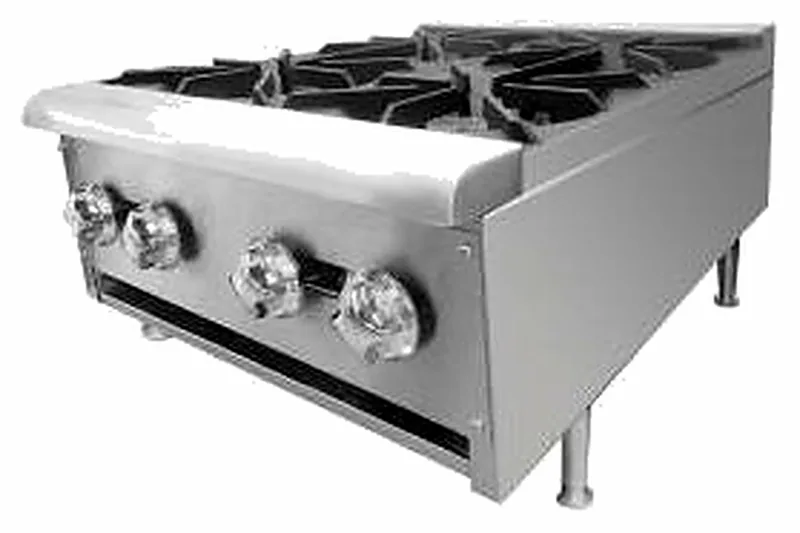
| Countertop gas range, 2 and 4 burner (TVD-2053) | Gas certification and orifices; clearances your inspector requires |
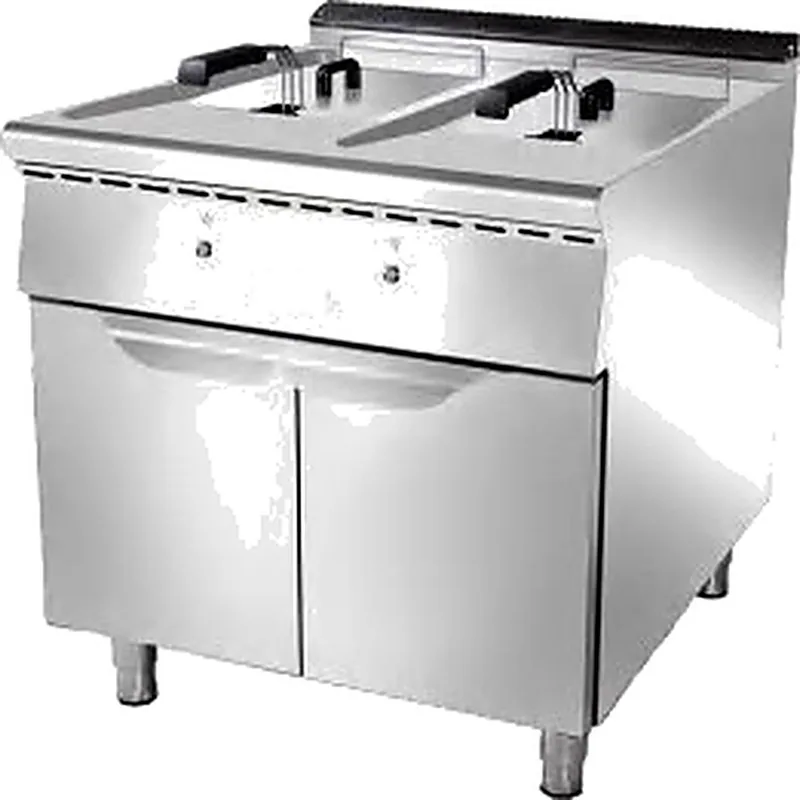
| Cabinet fryer, gas and electric (TVD-2069) | Gas or electric version, matching mark, voltage and phase |
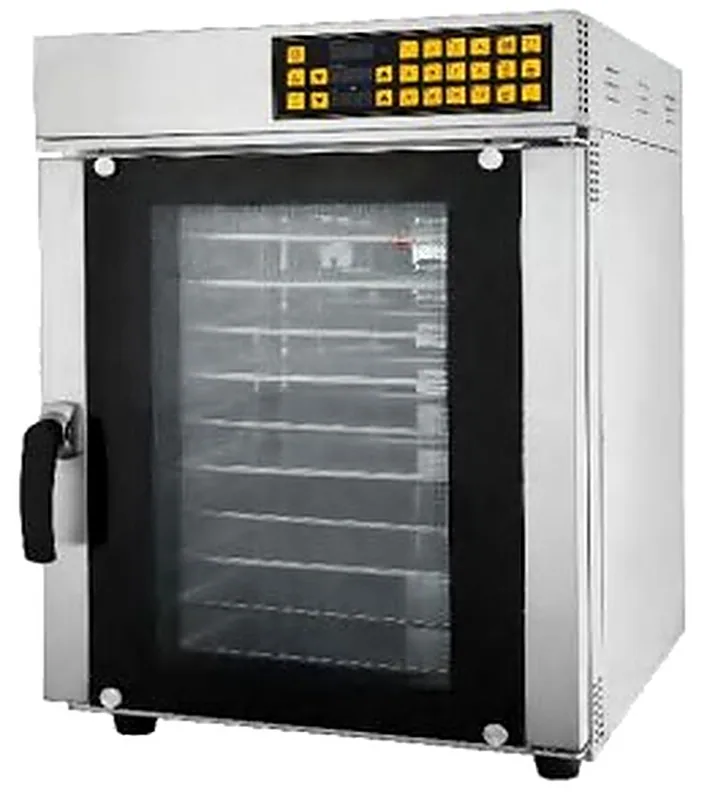
| Computer control convection oven (TVD-2072) | Electrical mark, supply voltage, 60 Hz controls |
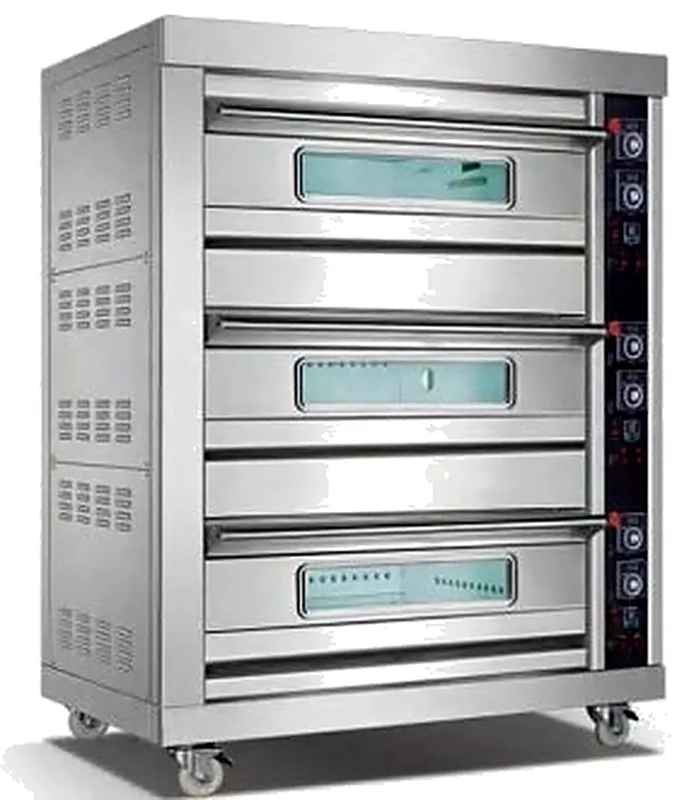
| Gas deck oven (TVD-2075) | Gas certification, venting and installation by a licensed fitter |
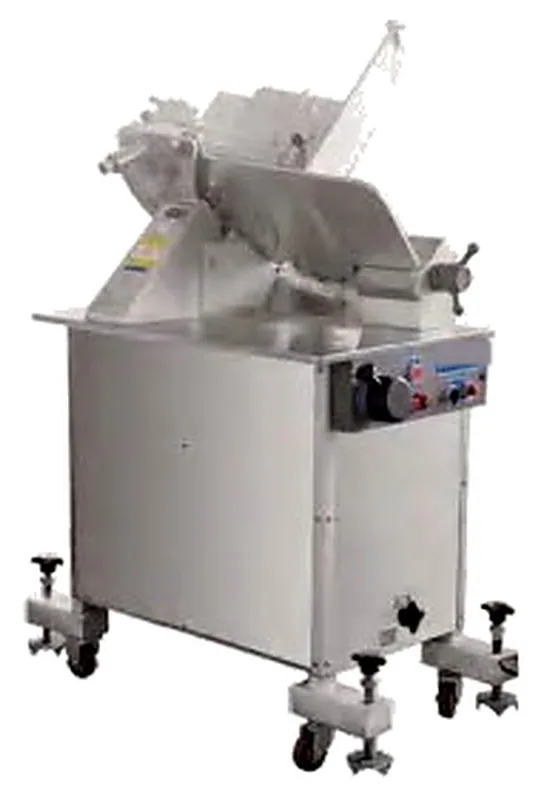
| Frozen meat slicer (TVD-2089) | Electrical mark, cleanability, sanitation certification if asked |
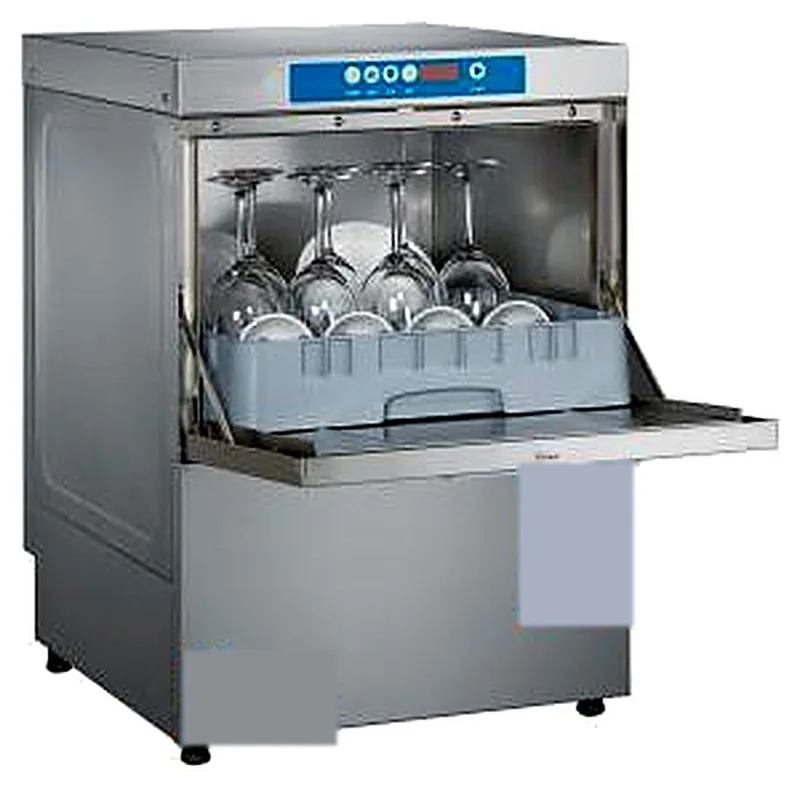
| Undercounter glass dishwasher (TVD-2110) | Electrical mark, water connections, NSF/ANSI 3 if required |
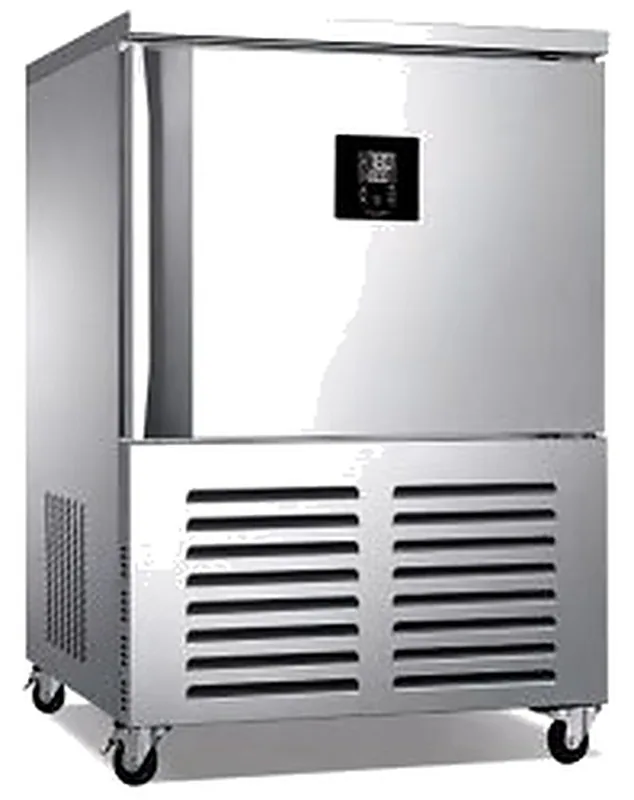
| Blast chiller and freezer (TVD-2123) | Refrigeration standard, 60 Hz compressor, energy regulations |
Pre-order checklist
- Write down the building's voltage, phase and gas type with pressure, from your electrician and gas fitter.
- List each appliance and ask what Canadian electrical mark it carries, if any, and for the certificate.
- For gas appliances, ask for the gas certification and the orifice set for your gas.
- Ask what sanitation certification your health unit and landlord require, then ask for the matching document.
- Confirm 60 Hz operation for motors, compressors and timers on any equipment rated for 50 Hz markets.
- Check whether refrigeration or other equipment falls under Natural Resources Canada's energy rules.
- Ask for the manual in French if the kitchen is in Quebec, and note that Quebec retailers and operators will ask.
- Get customs classification, delivered cost and documents on a written quote.
If something is missing
An inspector can refuse equipment that lacks a recognised mark, an insurer may question it, and a landlord or franchisor can decline it. Remedies exist, such as a field evaluation or field approval, but they cost time and money. The simplest fix is asking before the order is placed, which is why we state certification status on the quote and supply the documents before you order. Where a unit has no Canadian mark on file we say so, and we can discuss alternatives or a field evaluation route.
Planning the install around the paperwork
Settle certification at the quote stage, not at delivery. Give your electrician and gas fitter the spec sheet of each appliance as soon as you have it, and ask them to confirm voltage, phase, gas type and pressure in writing. Share the same list with your kitchen designer, who will coordinate ventilation, clearances and layout with the authority having jurisdiction. If the health unit or landlord has a sanitation requirement, get the standard named in an email so the document you ask the factory for is the right one. Then build the delivery date backward from the inspection, leaving time for any correction.
Provincial notes
- Ontario. The Electrical Safety Authority oversees electrical safety and TSSA oversees gas. Public health units inspect food premises.
- British Columbia. Technical Safety BC handles gas, and regional health authorities inspect food premises.
- Quebec. The Régie du bâtiment du Québec covers gas installation. The Charter of the French language also expects manuals, labels and warranty documents to be available in French.
- Other provinces and territories. Each has its own electrical and gas safety branch and its own health inspection process. Ask the local authority before ordering.
Questions to put to the factory through us
- Which Canadian electrical mark does this exact model carry, if any, and can we see the certificate?
- Which gas certification applies, and is the unit supplied for natural gas or propane, at which pressure?
- Is the unit built for 60 Hz and for the voltage and phase in the building?
- Which sanitation certification exists, and does it match the standard the health unit asks for?
- Does the model fall into a category regulated under Natural Resources Canada's energy rules?
We pass these questions on and state the answers in the written quote. Where the answer is that no Canadian mark exists, we say so and discuss the options.
How ordering works
Every order is quoted in writing for your quantity, with specifications, certification status and documents, packing, lead time and delivered cost to your address. Samples are available on most items, and large equipment follows the same quote steps. Payment is a 30% deposit and 70% before release. See how ordering works, send a quote request and use the landed cost calculator for budget planning. Sales tax depends on the delivery province; see the sales tax by province guide. We deliver across Canada; see the Canada delivery hub. Rules change, so confirm with the authority, your inspector or your customs broker. This is general information, not legal advice.