Certification guide ·
Textured Gold Charger Plates (TVD-2617): Canadian Certification and Compliance Checklist
No mark is on file for these plates, so here is what a Canadian buyer should ask for on food contact, lead and cadmium, labelling and customs.
Before a pallet of Gold Charger Plates – Textured (TVD-2617) crosses the border, a careful buyer asks what Canadian rules touch a round, electroplated serving plate. The honest answer depends on how you will use it. This guide walks through the questions, the documents worth asking for and what happens if they are missing. Rules change, so confirm with the relevant authority or your customs broker; this is not legal advice.
Is a mark on file?
No certification mark is on file for this product. We do not describe it as certified, approved or compliant with any standard. Before you order, we confirm certification status and supply the documents with the quote. A charger plate is not a powered product, so a CSA, cUL or cETL electrical mark would not normally be part of the discussion; the CSA, cUL and cETL marks explained guide explains those marks if your order also includes a lit accessory.
Which Canadian rules may apply
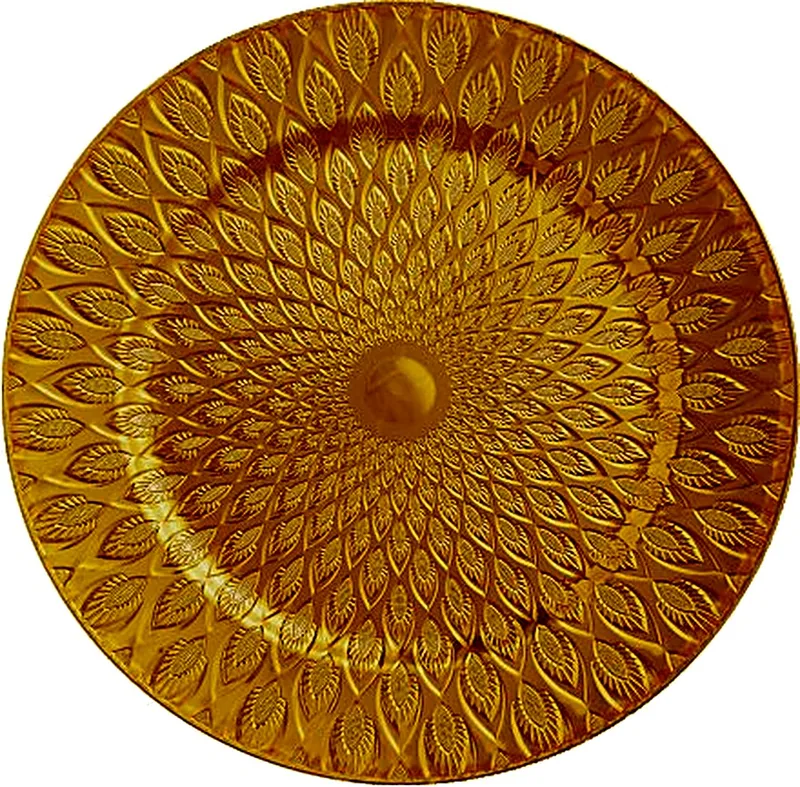
The product is a round gold plate with petal, scale and hammered patterns and a gold electroplated finish. Three areas matter, depending on use.
- Consumer product safety. The Canada Consumer Product Safety Act applies to consumer products: it prohibits products that are a danger to human health or safety, requires incident reporting and allows recalls. Health Canada enforces it. A decorative plate sold to the public sits inside this law.
- Food contact. The Food and Drugs Act prohibits selling food in or with materials that may make it harmful. Health Canada does not pre-approve kitchenware. Buyers commonly ask the factory for food-contact test reports, such as FDA or EU migration tests. If your charger sits under a plate and never touches food, say so in your own product copy; if guests may eat directly from it, you need the reports.
- Lead and cadmium. The Glazed Ceramics and Glassware Regulations set limits on lead and cadmium that can leach from glazed ceramics and glassware that contact food, and decorations near the lip are a known risk. A metal-plated plate is not glazed ceramic, but if the version you order has enamel, glass or ceramic elements, ask for a lead and cadmium report. The Consumer Products Containing Lead Regulations include kitchen utensils, so ask for lead results on the plated surface too.
Document checklist
| Document | Why it matters | Who issues it |
|---|---|---|
| Material declaration for base and finish | Tells you what the plate is made of and how the finish is applied | Factory, confirmed on our quote |
| Food-contact test report | Supports use where food may touch the surface | Accredited test laboratory, via the factory |
| Lead and cadmium test report | Retail buyers and inspectors ask for it on decorated or plated tableware | Accredited test laboratory |
| Bilingual label proof | Prepackaged consumer units need English and French identity and net quantity, plus dealer name and place of business | Your packaging designer, checked by us |
| Commercial invoice and tariff classification | Duty depends on the HS code and origin; our customs broker confirms classification | Factory and customs broker |
Canadian marks and the CE question
Canada does not recognise the European CE mark as proof of compliance for consumer products. A plate sold elsewhere with a CE marking still needs the Canadian requirements above. For a non-powered plate the practical documents are the food-contact and lead and cadmium reports, not an electrical mark.
Provincial differences
The Consumer Packaging and Labelling Act requires bilingual product identity and net quantity on prepackaged consumer products, along with the dealer's name and place of business. In Quebec, the Charter of the French language requires that labels, instructions, manuals and warranty documents be available in French, with French at least as prominent as any other language. Retailers in Quebec will ask for this. Provincial public health units regulate food premises: a restaurant that uses chargers in a dining room should ask its own health inspector whether plated surfaces that may touch food need sanitation documents.
What happens if the documents are missing
- A retail chain may refuse to list the product until a test report is supplied.
- A venue or franchisor may reject plated tableware that cannot show food-contact evidence.
- If a product is later found to be a danger, incident reporting and recall powers under the CCPSA apply to the importer and seller.
- Customs delays follow when classification or origin paperwork is incomplete.
How we handle it
We confirm certification status, request the test reports above from the factory and supply the documents with the quote, before you commit to the order. Where a document does not exist, we say so plainly and you decide whether the plate suits decorative use only. Read the whole-line view in our import and compliance rules for the whole gold tray line, the product-level notes in the textured charger plates guide, and use the landed cost calculator to see the delivered cost once you have a quote. Sales tax depends on the province of delivery; see the sales tax by province guide. The Canada delivery hub explains where we deliver, and you can request a written quote at any stage.