Certification guide ·
Clear Bowls, Snack Boxes, Candy Jars and Casseroles: Canadian Food-Contact Rules for Importers
The same clear line holds a candy jar, a butter dish and a lidded casserole, and they do not carry the same food-contact risk. Here is how to sort them and what paperwork to ask for.
One line, three levels of food-contact risk
The Acrylic Bowls, Candy Boxes & Jars line has more than twenty clear pieces with no gold decoration. They look alike, but a buyer should not treat them alike. Dry candy sitting in a lidded jar for an afternoon is a light demand on a material. Butter in a covered dish for weeks, fruit with juice, and a casserole that someone might want to warm are heavier demands. The gold-decorated pieces have their own guide, Canadian import rules for gold-rim and gold-trim bowls and candy jars.
None of the products named here has a certification mark on file with us and we make no certification claim for any of them. What follows is what a Canadian buyer needs and what we confirm before you order.
Sorting the pieces by how they are used
| Use | Examples | Food-contact question to settle |
|---|---|---|
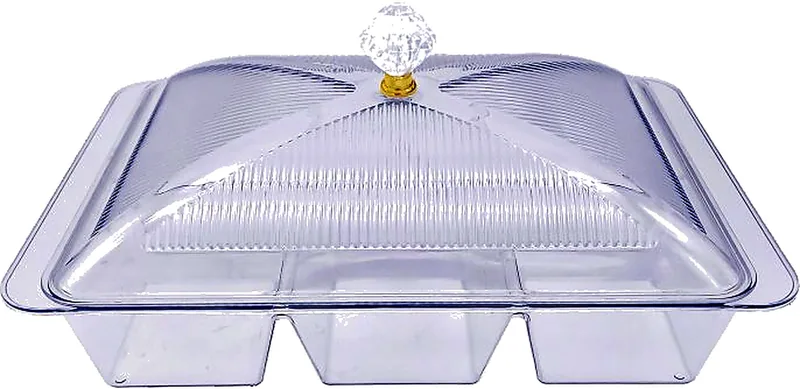
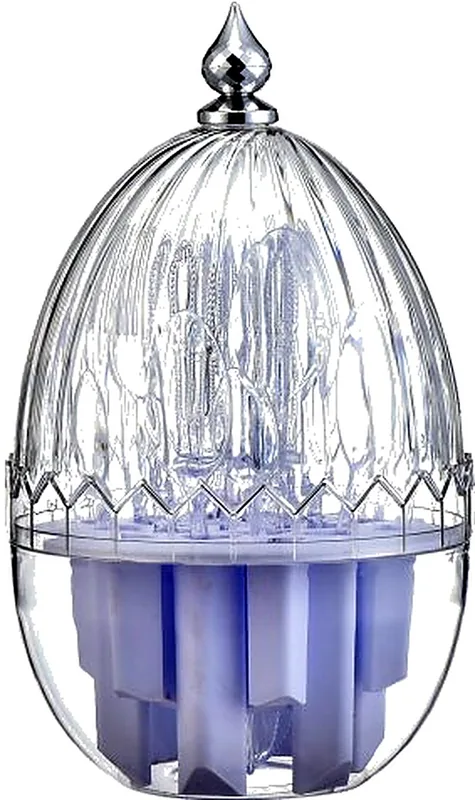
| Dry sweets and snacks | TVD-2481 Three-Section Snack Box with Cover, TVD-2487 Egg-Shape Candy Jar, TVD-2527 Rectangular Candy Box with Lid | Material suited to food contact; lid fit; cleaning after use |
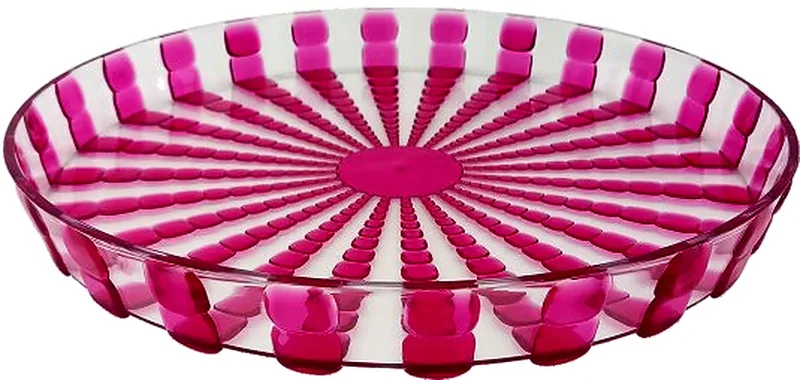
| Fresh fruit and salads | TVD-2483 Striped Colour Serving Bowl, TVD-2548 Faceted Fruit Bowl, TVD-2545 Rose Cut-Out Fruit Bowl | Colourants and any pattern in contact with moist food; acids from fruit |
| Fats and dairy | TVD-2530 Butter / Cheese Dish with Cover | Oils and fats contact the material for longer; ask the factory for a fatty-food migration result |
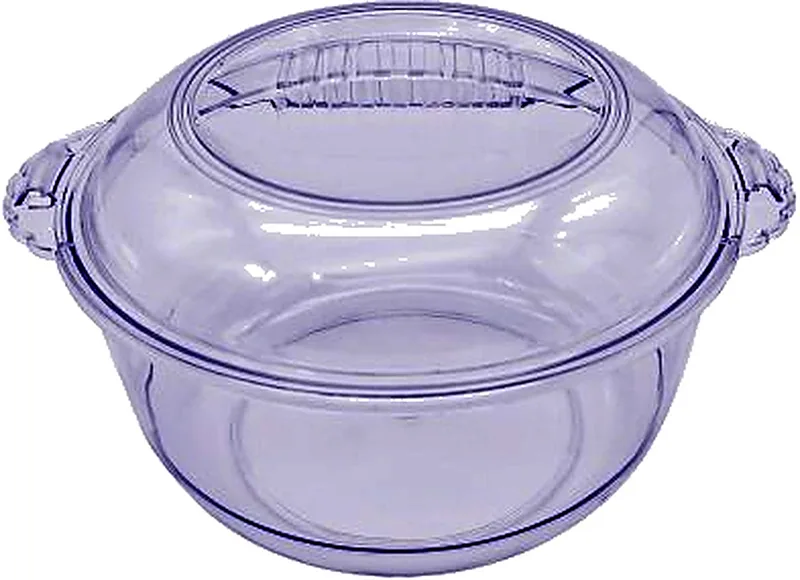
| Hot or warmed food | TVD-2551 Round Casserole with Lid, TVD-2552 Rectangular Casserole with Lid | Heat rating in writing; do not assume oven or microwave use |
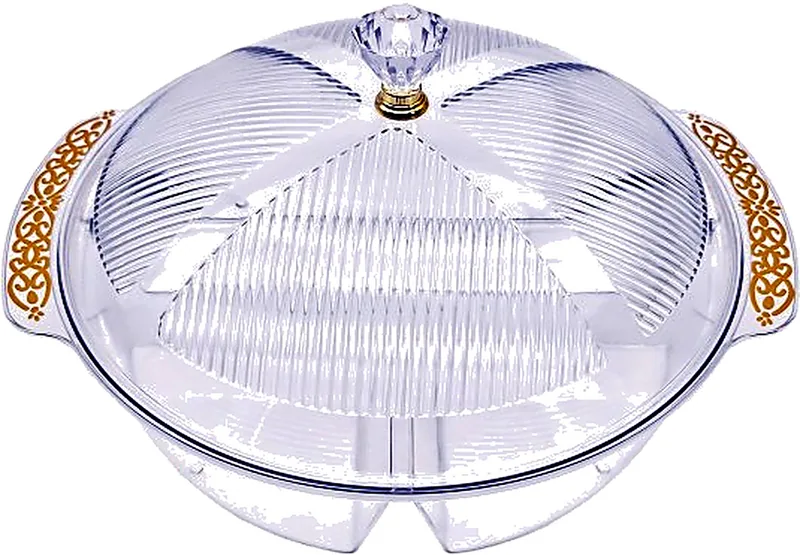
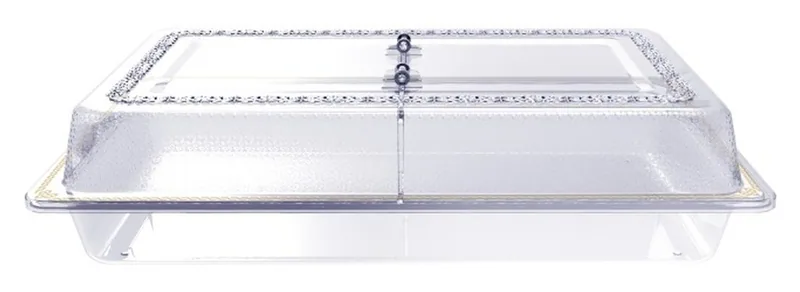
| Serving and carrying | TVD-2482 Round Divided Snack Box with Cover, TVD-2495 Divided Rectangular Tray with Lid | Handle and lid strength; cover fit |
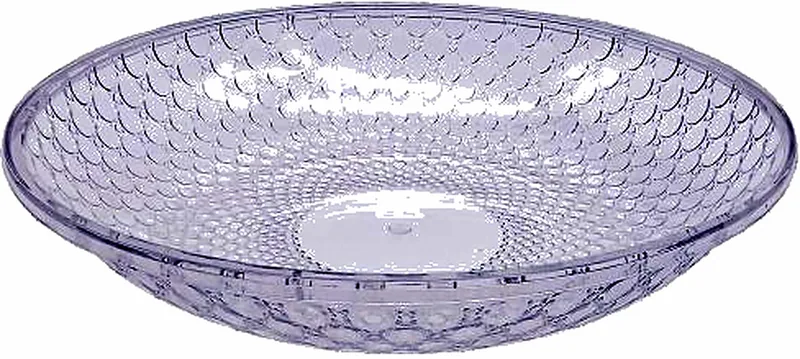
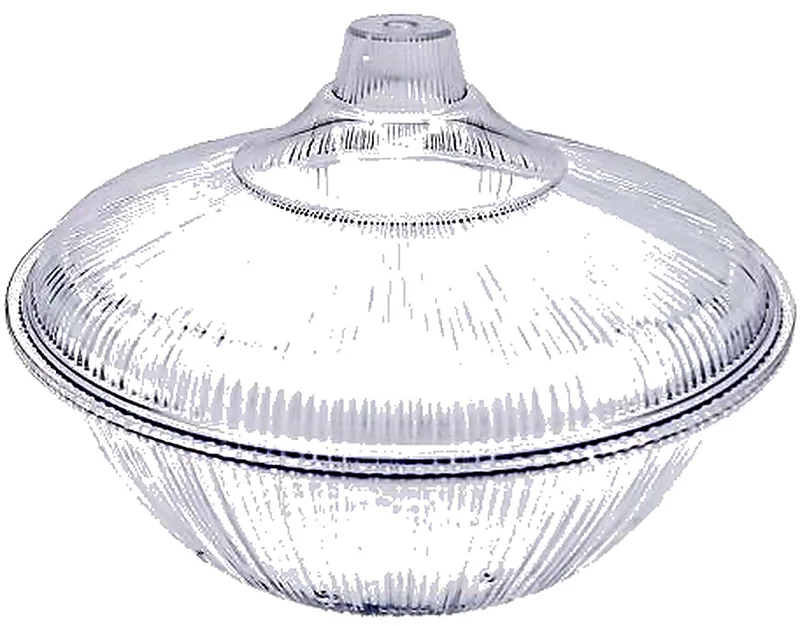
The line also includes TVD-2486 (Textured Fruit Bowl), TVD-2520 (Candy Bowl with Handle Lid), TVD-2521 (Ribbed Candy Bowl with Lid), TVD-2522 (Pattern-Lid Serving Bowl), TVD-2525 (Dome-Lid Candy Bowl), TVD-2528 (Diamond-Cut Bowl with Lid), TVD-2546 (Petal-Pattern Shallow Bowl), TVD-2549 (Dimple-Pattern Fruit Bowl), TVD-2550 (Leaf-Shape Fruit Bowl), TVD-2557 (Round Serving Bowl with Dome Lid), TVD-2559 (Deep Serving Bowl – Footed) and TVD-2566 (Round Serving Bowl with Cover – Wave). Individual guides cover TVD-2482, TVD-2487, TVD-2495, the textured fruit bowl group, the lidded candy bowls and the pattern-lid serving bowls.
Which Canadian rules apply
Food and Drugs Act
Food must not be sold in or with materials that may make it harmful. Health Canada does not pre-approve kitchenware. It offers voluntary Letters of No Objection for food packaging materials, which is a different thing from approving a serving bowl. In practice, Canadian buyers ask the factory for food-contact test reports, such as FDA or EU food-contact migration tests, covering the material and the colourants.
Glazed Ceramics and Glassware Regulations
These regulations under the Canada Consumer Product Safety Act limit lead and cadmium that can leach from glazed ceramics and glassware that contact food. The material and grade of each piece are confirmed on the quote, so we can tell you whether they apply to the version you order. Any printed or applied decoration near the lip is a known risk and needs a lead and cadmium report.
Consumer Products Containing Lead Regulations
These set lead limits that include kitchen utensils and products for young children. If you plan to market a bowl as a children's party piece, say so on the quote request.
Premises and labelling
Restaurants and caterers must meet provincial food premises rules, and public health inspectors expect equipment that is durable, easy to clean and kept sanitary. Some inspectors, landlords and franchisors ask for NSF/ANSI or equivalent sanitation certification on commercial food equipment; check what your health unit and landlord ask for on serveware. Prepackaged consumer products need bilingual English and French product identity and net quantity plus the dealer's name and place of business, and Quebec expects French on labels, instructions and warranty documents.
Document checklist
| Document | Why it matters | Who issues it |
|---|---|---|
| Food-contact migration report for the base material | Evidence the material suits food contact | Third-party laboratory, via the factory |
| Colourant statement or migration result | Needed for coloured and striped pieces | Factory |
| Heat and care rating in writing | Decides whether you can describe a piece as suitable for warming, dishwashing or freezing | Factory |
| Lead and cadmium report if any decoration is applied | Covers decorated surfaces near the lip | Third-party laboratory |
| Bilingual retail label artwork | Required for prepackaged consumer goods | You or us, agreed on the quote |
What happens when paperwork is missing
A retailer's compliance team can refuse to list a food-contact item without a test report, a health inspector can question equipment in a kitchen, and a product that proves harmful can be recalled under the Canada Consumer Product Safety Act. A casserole sold as ovenproof without a written heat rating is the most likely place for an expensive complaint, so make that one a written confirmation before you order.
How we handle it
Our written quote states the material and grade, the colourants or decoration, any heat rating the factory gives in writing, and which test reports are available. We confirm certification status and supply the documents with the quote before you order. If a document is not available, we say so and you can choose another piece from the same line or ask us to arrange testing. Our customs broker confirms the tariff classification before we quote a delivered cost.
Samples are available on most items and the sample cost is usually credited to the first order. Payment is 30% deposit and 70% before release, and products from several factories can share one container. Duty depends on classification and origin, and tax depends on the province of delivery: see the sales tax guide and the landed cost calculator. Send your list through the quote page or read how ordering works. Rules change, so confirm with Health Canada, your health unit or your customs broker. This is not legal advice.