Certification guide ·
Under-Counter Ice Machine in Canada: Electrical, Water and Sanitation Paperwork
Ice goes straight into a customer's glass, so a health inspector looks at an ice maker the way they look at a food station. This guide covers what to request before TVD-10826 is ordered.
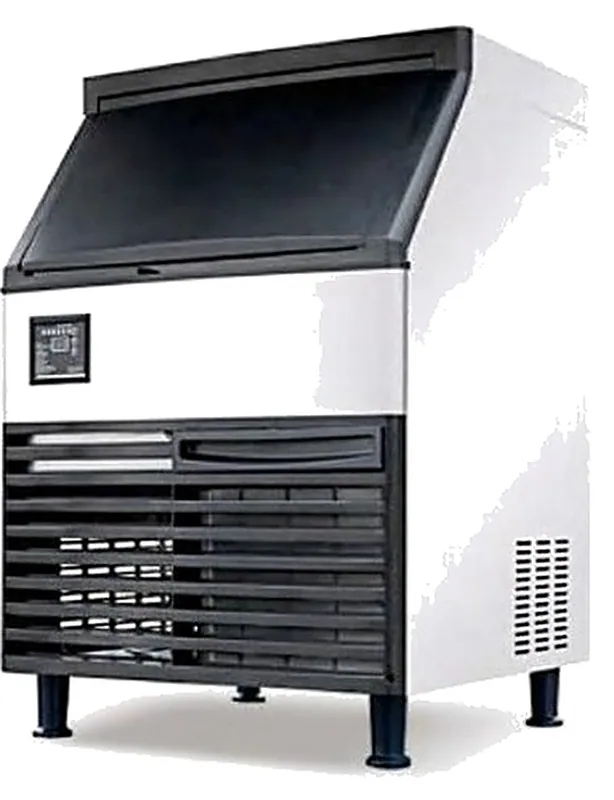
The Ice Machine, Under-Counter (TVD-10826) is a cube ice maker with a built-in storage bin, meant for bars and restaurants. It combines three things an inspector cares about in one cabinet: mains electricity, plumbed water and a drain, and food that people drink. No certification mark is on file for TVD-10826. Rather than guess, we confirm status and provide documents with the quote before you commit; the sections below explain what each paper is for.
Ice is a food ingredient
Health inspectors treat ice as food. The bin must be easy to clean, made from materials that do not harm the ice, and kept sanitary. Provincial food premises regulations ask for durable, cleanable equipment, and local public health inspectors apply them. Many inspectors, landlords and franchisors go one step further and ask for an NSF/ANSI or equivalent sanitation certification on commercial food equipment. Which standard applies to an ice maker is a question for your health unit, so ask before you buy and keep the answer in writing.
The Food and Drugs Act prohibits selling food in or with materials that may make it harmful. Health Canada does not pre-approve kitchenware, so buyers usually request food-contact test reports from the factory. For an ice machine the relevant surfaces are those the water or ice touches: the evaporator plate, water tray, chute, bin liner and scoop holder if one is included.
Electrical mark
A powered ice maker needs a certification mark from a body the Standards Council of Canada has accredited, or a field evaluation label. Typical marks are CSA, cUL and cETL, and the small "c" indicates Canadian evaluation. US-only UL or ETL without the "c" is not enough. European CE marking does not replace the Canadian marks. See the guide to CSA, cUL and cETL marks for how to read a rating label.
Frequency matters on a machine that runs a compressor, a water pump and sometimes a drain pump together. Canadian supply is 120 V or 240 V single-phase and 208 V or 600 V three-phase, at 60 Hz. A unit built for 220 V and 50 Hz needs written confirmation that it is built for Canadian voltage and 60 Hz before it is ordered.
Water, drain and installation
An ice machine is connected to plumbing, and that is a trade installation. We do not quote rules for plumbing codes here because they vary by province and municipality; instead, ask your plumber and your inspector what they require for the water inlet, any back-flow protection, and the drain connection. Specific points to put to the factory are inlet size, whether a filter is expected, whether the drain runs by gravity or through a pump, and the clearance needed around an air-cooled cabinet.
Documents to collect for TVD-10826
| Document | Why it matters for an ice maker | Issued by |
|---|---|---|
| Canadian electrical mark or field evaluation label | Allows the unit to be connected and insured | Accredited certification body |
| Rating plate with voltage, frequency, amperage | Confirms the pump and compressor suit 60 Hz supply | Factory, reviewed on the quote |
| Sanitation certificate (NSF/ANSI or equivalent) if requested | Health-unit acceptance of an ice-contact machine | Sanitation certification body |
| Food-contact material statement for ice and water parts | Evaporator, tray, chute and bin liner must not harm ice | Factory, test reports where available |
| Water and drain connection sheet | Lets your plumber plan inlet, filter and drain | Factory |
| Cleaning and descaling instructions | Inspectors ask how the machine is cleaned | Factory |
| English and French manual | Quebec staff and retailers expect French documentation | Factory |
Provincial differences
- Ontario: electrical equipment rules are enforced by the Electrical Safety Authority; food premises are handled by local public health units.
- Quebec: manuals, labels and warranty documents must be available in French under the Charter of the French language.
- BC, Alberta and elsewhere: each province has its own electrical safety body and health authority. A bar licence application can involve more than one agency, so ask each what they want to see on the ice machine.
When something is missing
A missing mark or document usually surfaces at the worst moment: the electrician refuses to connect the unit, or the health inspector asks for a sanitation certificate on the last visit before the licence is issued. Without ice a bar cannot open, so the delay costs real trading days. Franchisors and landlords may also refuse a machine that lacks sanitation papers. Insurers can query an uncertified electrical product after a water or fire loss.
How we handle it
Every written quote states certification status and lists the documents that come with the machine. If no recognised mark is on the unit, we tell you before the deposit of 30% is paid, and we explain whether a field evaluation could be arranged. The remaining 70% is due before release; the ordering page sets out each stage. Use the sales tax guide to understand provincial taxes on the delivered cost. To see what else sits in the line, browse the commercial kitchen equipment catalogue.
Rules shift and local practice differs. This is general information, not legal advice. Check with your electrical authority, health inspector, plumber and customs broker.