Product guide ·
Under-Counter Ice Machine (TVD-10826): Wholesale Guide for Canadian Bars and Restaurants
Ice is an ingredient, and an under-counter maker with a built-in bin lives or dies by its water, drain and air. This guide covers how to specify TVD-10826 and order it for delivery across Canada.
What it is and who buys it
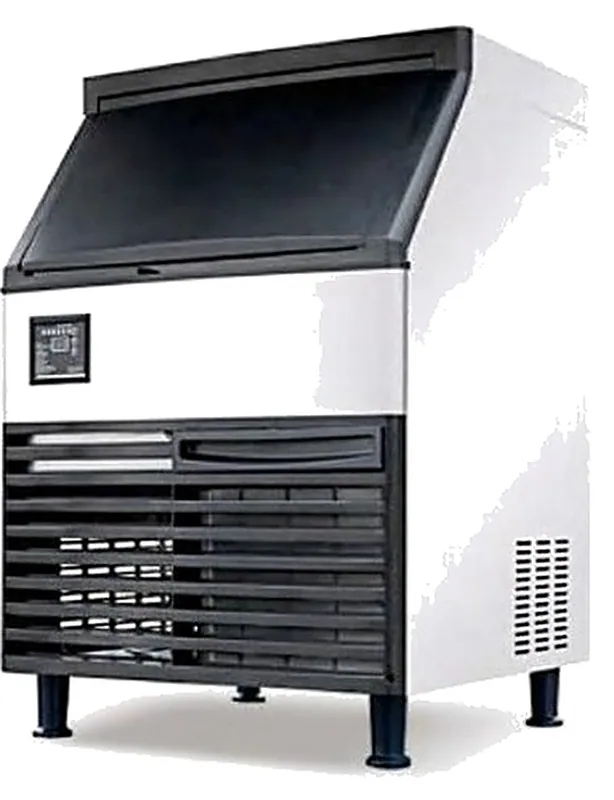
The Ice Machine, Under-Counter (TVD-10826) is a cube ice maker with a built-in storage bin, made to fit beneath a counter in bars and restaurants. Buyers are bar managers filling a service well, restaurant owners who want ice for drinks and the line, hotel food-and-beverage teams outfitting a lounge, and cafés adding cold drinks. The built-in bin is the key point: ice is made while the venue is quiet and held ready for the rush, so the question is not only output but how much sits waiting when service starts.
What the listed points mean in practice
- Cube ice makers: cube ice holds up in drinks and sits well in a glass. Ask for the cube size and shape on the quote, because it affects how drinks look and how quickly the ice melts.
- Built-in storage bin: the bin turns the machine into a small ice store. Capacity matters for a busy evening, while production rate matters for how fast it recovers afterwards. Ask for both.
- Bars and restaurants: this is a service-hours machine that runs through humid, greasy or hot rooms. Ventilation and cleaning access are as important as the headline output.
How to specify it: water, drain, air and power
An ice machine is a plumbing appliance as much as an electrical one. Before you place an order, put these on the checklist:
- Water supply and filtration. Ask for the inlet connection size and whether the machine needs a filter. Water quality changes ice clarity and how often descaling is needed.
- Drain. Confirm the drain connection and whether it can gravity-drain into your floor drain or needs a pump. An under-counter location is often higher than the floor drain, which changes the answer.
- Electrical. Voltage, phase, frequency and amperage, with plug or hard-wire detail. Canadian supply is 60 Hz, so a 50 Hz design needs written confirmation.
- Condenser type and ventilation. Air-cooled units need clearance for airflow around the cabinet; ask which sides must stay open and what the maximum room temperature is.
- Capacity. Ask for daily ice output in kilograms and bin capacity, along with the conditions they assume (water and room temperature).
- Overall and crated dimensions and weight, including the height under your counter.
- Materials. Confirm what the bin interior and water-contact parts are made of, and the stainless steel grade where a steel exterior is used.
- Certification status. No mark is on file for TVD-10826. We confirm it and supply documents with the quote before you order.
How it compares with other items in the line
An ice machine pairs naturally with equipment that creates the other half of a bar or kitchen service. The Combi Oven (TVD-596) also needs a water supply and drain, so a kitchen with both should plan plumbing once for both. The Open Fryer, Single Tank (TVD-594) and Open Fryer, Double Tank (TVD-10812) are heat-producing appliances, which puts them in a different part of the room: keep ice machines away from fryers because grease and heat reduce airflow and cleanliness. The Gas Range with Oven (TVD-593) shares the line but adds gas fitting rules the ice maker avoids. See the whole commercial kitchen equipment line for the rest.
Canadian use notes
- Incoming water temperature. Cold water from a winter supply helps production, but warm summer rooms and warm incoming water reduce it. Give us your region and season so the output claim on the quote is realistic.
- Hard water. Many Canadian regions have hard water that leaves scale in ice makers. Plan a filter and a cleaning routine.
- Frost and winter transit. A machine with water in its lines can be damaged by freezing in transit. Tell us the delivery month so we can plan drainage and packing.
- Voltage. Canada's supply is 120 V or 240 V single-phase, and 208 V or 600 V three-phase, at 60 Hz.
- Health unit. Food premises rules ask for sanitary, cleanable equipment, and ice is food. Many inspectors, landlords and franchisors ask for an NSF/ANSI or equivalent sanitation certification; check what yours expects.
- Quebec. Manuals, labels and warranty documents should be available in French.
Our explainer on CSA, cUL and cETL marks shows which electrical marks inspectors accept.
How ordering works
Start with a quote request listing your quantity, delivery address and water and drain details. Your written quote shows price for the quantity, specifications, certification status and documents, packing, lead time and delivered cost. Many lines have low trial minimums, and samples are available on most items; the sample cost is usually credited to the first order. Payment is 30% deposit and 70% before release, and items from several factories can ride in one consolidated container. The how ordering works page covers the steps. For budgeting, use the landed cost calculator, and for tax by province see the sales tax guide. Our customs broker confirms the tariff classification before we quote a delivered cost.
Product pages show full specifications to signed-in buyers. The wholesale guide covers how we supply restaurants and hotels nationally.