Product guide ·
Keypad Digital Timer (TVD-1765) vs Knob Digital Timer (TVD-1768): Which to Stock
Two digital timers share one product description. One sets time on a keypad, the other with a dial knob. Here is how to choose and how to mix them.
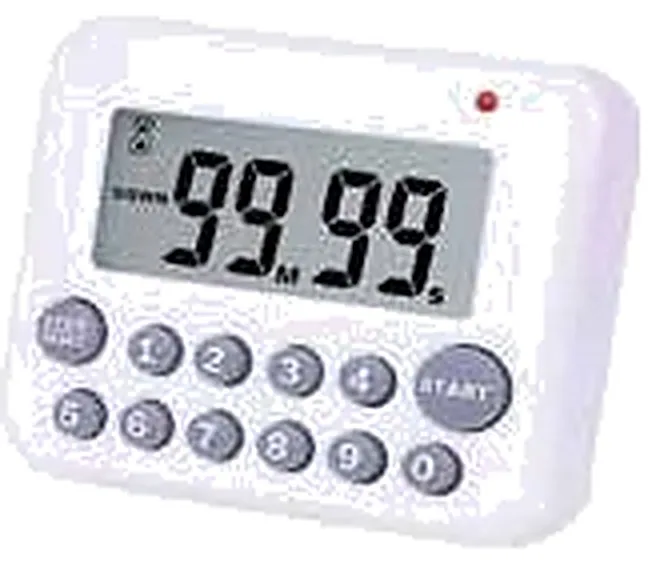
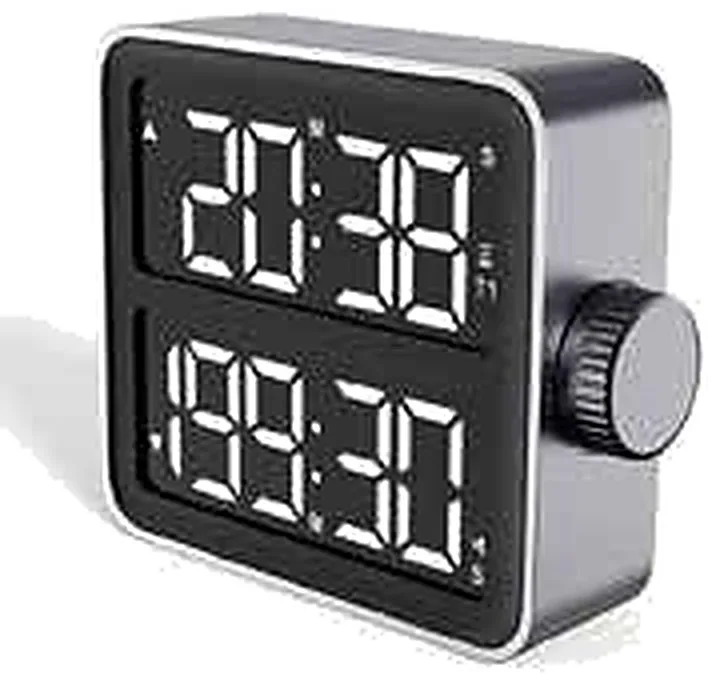
Two digital timers in our kitchen timer range share one product description: the Keypad Digital Timer (TVD-1765) and the Knob Digital Timer (TVD-1768). Both are countertop timers meant for people who set a countdown many times a day. What differs is how you enter the time. One has a number keypad, the other a dial knob. This guide explains which one suits which buyer, how to split an order between them, and what to confirm on the quote.
What the two timers have in common
The listed features show a digital display and a clear way to set a time without menus. The keypad model has number keypad entry, countdown and count-up, and a stand and magnet back. The knob model has dial knob setting, large LCD digits and volume levels. Because they share one product description, treat the sizes, battery type, maximum count time and alarm loudness as details we confirm on your written quote for each code. Do not assume a figure from one model applies to the other.
How they differ in daily use
| Question | Keypad Digital Timer (TVD-1765) | Knob Digital Timer (TVD-1768) |
|---|---|---|
| How is the time set? | Type the minutes and seconds on a number keypad | Turn a dial knob to the time you want |
| Counting modes | Countdown and count-up | Confirmed on the quote |
| Display | Digits confirmed on the quote | Large LCD digits |
| Mounting | Stand and magnet back | Mounting style confirmed on the quote |
| Alarm | Volume confirmed on the quote | Volume levels |
The keypad is faster for exact times such as 7 minutes 30 seconds, and a cook who works with fixed recipes will tap a number and press start. The knob is closer to the dial timers people grew up with: a quick twist, no reading of tiny buttons, which helps with floury or wet fingers and for older users. The knob's large digits and volume levels also make it easier to hear and see from across a room.
Which buyer should pick which
- Home bakers and online sellers of baking gear: the keypad suits precise bake times and repeat recipes; the knob suits gift bundles for people who prefer simple controls.
- Caterers and small cafés: a stand and magnet back lets you stick the keypad timer on a steel shelf or fridge door near the oven. The knob timer's volume levels matter in a noisy prep area, so ask what the loudest level is.
- Retailers and discount and variety chains: carry both. They sit at different shelf positions, and a shopper comparing a keypad with a dial can choose by habit rather than by price alone.
- Households and gift shops: the knob is the easier gift for a first-time cook or a grandparent.
Mixing both in one order
You can combine both codes, plus other items from the kitchen timer range, in one quote and one consolidated container. A sensible first order is an even split between the two for a test, then rebalancing after the first few weeks of sell-through. If you also want a wind-up timer with no battery at all, the classic dial mechanical timer guide covers TVD-1769, and the metal-look digital timer guide covers TVD-1766 for buyers who care about finish. The geometric wind-up collection shows the shaped alternatives.
Canadian rules for battery timers
Digital products with batteries follow general consumer product safety. Under the Canada Consumer Product Safety Act, a consumer product that is a danger to health or safety is prohibited, incidents must be reported and recalls can be ordered. If a version you order uses lithium batteries, lithium batteries have dangerous-goods shipping rules, which affect how the goods travel. If any version you choose plugs into the mains instead, electrical equipment sold in Canada needs a certification mark from a body accredited by the Standards Council of Canada, such as CSA, cUL or cETL, or a field evaluation label. A US-only mark is not enough; see CSA, cUL and cETL marks explained. We do not claim any certification for these two timers. We confirm certification status and supply the documents with the quote before you order, and our full kitchen timer import and compliance guide goes deeper. Rules change, so confirm with the authority or your customs broker. This is not legal advice.
Specification checklist before you order
- Maximum count time and the smallest step on each model.
- Battery type, whether batteries are included, and how they are packed for shipping.
- Alarm loudness and the number of volume levels on the knob model.
- Digit height on both displays, especially for commercial kitchen use.
- Stand and magnet strength, and whether the magnet is on every unit.
- Colour, finish, logo options and custom branding.
- Retail packaging, label language (English and French on prepackaged consumer goods), barcode, carton quantity and size.
- Minimum order per item or colour, sample availability and lead time.
Retail readiness in Canada
Prepackaged consumer products sold in Canada need bilingual product identity and net quantity, plus the dealer's name and place of business, under the Consumer Packaging and Labelling Act. In Quebec, instructions and warranty documents must also be available in French under the Charter of the French language. A timer with a small instruction sheet will need that sheet in both languages. Ask us for packaging with French on the front panel if you stock Quebec stores.
How ordering works
Every order is quoted in writing: the price for your quantity, the specification, certification status and documents, packing, lead time and delivered cost to your address. Many lines have low trial minimums, and samples are available on most items, with the sample cost usually credited to your first order. Payment is 30% deposit and 70% before release. Read how ordering works, estimate freight with the landed cost calculator, check sales tax by province for your delivery address, then request a quote. Our Canada delivery page for home kitchen and tableware and the kitchen timer wholesale guide give wider context. Signed-in buyers with a free account see the full specifications on each product page.