Certification guide ·
Matte Green Handled Dish Set (TVD-2823): Canadian Certification and Compliance Checklist
No certification mark is on file for this kids' plate and bowl set. Here are the Canadian rules, the documents to collect and what happens if one is missing.
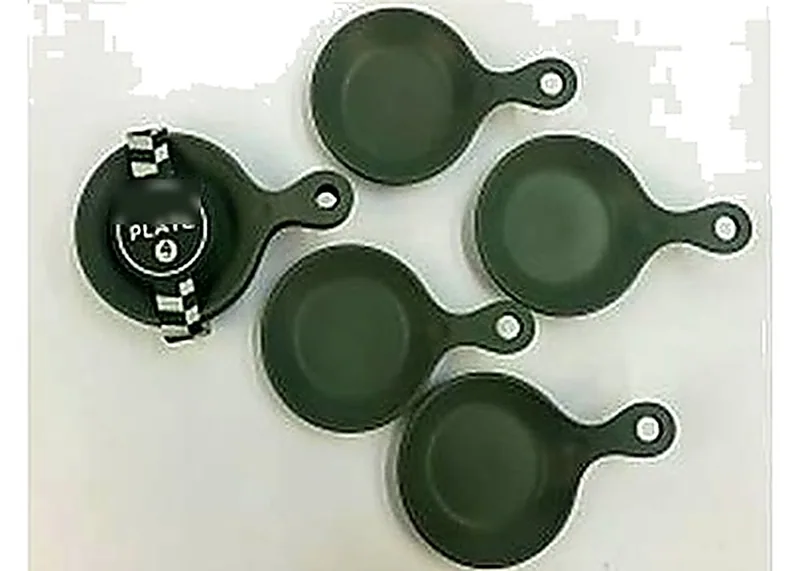
This guide is for importers, retailers and daycare buyers who plan to bring in the Matte Green Handled Dish Set (TVD-2823), a handled plate and bowl set that includes a bear-shaped kids plate of 154 mm and comes in several styles. It sets out which Canadian rules apply to a children's dish set, which documents to collect and what to do if one is missing. To be plain from the start: no certification mark is on file for this product. We do not describe it as certified, listed or approved; we confirm certification status and supply any available documents with your written quote before you order.
Why this set draws more scrutiny than ordinary dishes
It is a food-contact product and a product for young children at once. Each of those has its own rules, and a bear-shaped plate puts the product in front of parents and inspectors alike. The set also has handles, which is helpful for small hands but adds a part that has to be tested for coating and material, since the handle may be a different material from the body. Our product listing does not state the material, so identifying it comes first.
Rules that apply, step by step
- General product safety. The Canada Consumer Product Safety Act (CCPSA) prohibits consumer products that are a danger to human health or safety, requires incident reporting and allows recalls. Health Canada enforces it.
- Food contact. The Food and Drugs Act prohibits selling food in or with materials that may make it harmful. Health Canada does not pre-approve kitchenware, though it offers voluntary Letters of No Objection for food packaging materials. Buyers usually ask the factory for food-contact test reports, such as FDA or EU migration tests.
- Glaze and decoration. If the pieces are glazed ceramic, the Glazed Ceramics and Glassware Regulations limit lead and cadmium that can leach from food-contact surfaces. Decorated rims and printed or metallic decoration near the lip are a known risk, so a printed bear face or coloured trim near the edge deserves a lead and cadmium report.
- Lead in products for young children. The Consumer Products Containing Lead Regulations include lead limits that cover kitchen utensils and products for young children.
- Coatings. The Surface Coating Materials Regulations limit lead (90 mg/kg) and mercury in paints and coatings on children's products. Ask whether any painted or lacquered surface exists, including the matte finish.
- Soft vinyl. Phthalate limits apply to soft vinyl in childcare articles and toys. If a handle grip or base is soft vinyl, it needs a phthalate answer.
- Labelling. The Consumer Packaging and Labelling Act requires bilingual English and French product identity and net quantity, plus the dealer's name and place of business, on prepackaged consumer products.
CE marks and Canadian marks
Canada does not recognise the European CE mark as proof of compliance for consumer products. A set with CE or an EU food-contact declaration may still be tested to European limits, which is useful as evidence for migration testing but does not replace Canadian requirements. This dish set is not powered, so the electrical marks explained in our CSA, cUL and cETL marks explained article do not apply to it as described. If a version you are offered includes a heated, lit or battery part, tell us, because that changes the answer.
Document checklist
| Document | Why you need it | Who issues it |
|---|---|---|
| Material declaration for plate, bowl and handle | Decides which rules apply, since our listing does not state material | Factory, confirmed on our quote |
| Food-contact test report | Shows food-contact materials are not harmful under the Food and Drugs Act | Independent test laboratory via the factory |
| Lead and cadmium test report (glazed or decorated surfaces) | Limits for glazed ceramics and glassware | Test laboratory via the factory |
| Lead and coating report for children's use | Lead rules and surface coating limits | Test laboratory via the factory |
| Phthalate statement (if soft vinyl parts exist) | Childcare article limits | Factory or test laboratory |
| Bilingual pack artwork with dealer name | Packaging and labelling law, Quebec French expectations | You, with our artwork support |
| Written quote with HS classification | Duty and tax on the delivered cost | Us, with our customs broker |
Provincial differences
The federal rules above apply everywhere in Canada. The main provincial difference for retail is Quebec, where the Charter of the French language requires labels, instructions and warranty documents to be available in French, with French at least as prominent as any other language. Retailers in Quebec will ask for it. For restaurants and daycares, provincial food premises rules require equipment that is durable, easy to clean and sanitary, and some health units, landlords or franchisors ask for NSF/ANSI or equivalent sanitation certification on commercial food equipment. Check what your health unit asks; we do not claim NSF status for this set.
What happens if a document is missing
A big-box or grocery buyer may refuse to list a children's product without test reports. A daycare licensing officer or health inspector can question tableware that cannot be shown to be food-safe. If a safety concern emerges after sale, the CCPSA allows a recall, and a missing report leaves the importer to answer. A set without French on the pack can be refused by Quebec retailers. Collecting documents before you order is simpler than holding stock you cannot sell.
How we handle it
With each quote we state the certification status (here, no mark on file), identify the material, request the test documents the factory holds and tell you what is still missing. If you need a document the factory does not have, we can ask for new testing before production; timing and cost are quoted in writing. Duty and sales taxes depend on the tariff classification and province of delivery, and our customs broker confirms classification before we quote a delivered cost. See the landed cost calculator and the sales tax by province guide.
For the buying side, read our collection guide to the three handled dish set codes, then request a written quote. Payment is 30% deposit and 70% before release; samples are available on most items. Rules change, so confirm with Health Canada, your inspector or your customs broker. This is not legal advice. See also how ordering works and the Tableware & Placemats line.