Certification guide ·
Napkin and Utensil Holders in Canada: Compliance, Finishes and Import Rules for Wire Holders
Wire napkin, cutlery and utensil holders look simple, yet the finish, the cutlery they hold and the pack all raise Canadian questions. This guide sets out what to ask before you import.
What the line includes and where no mark is on file
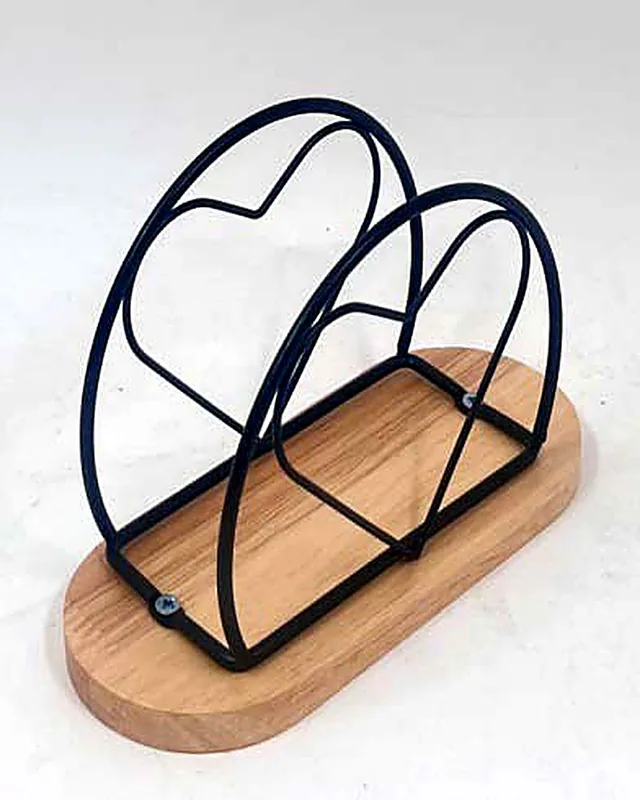
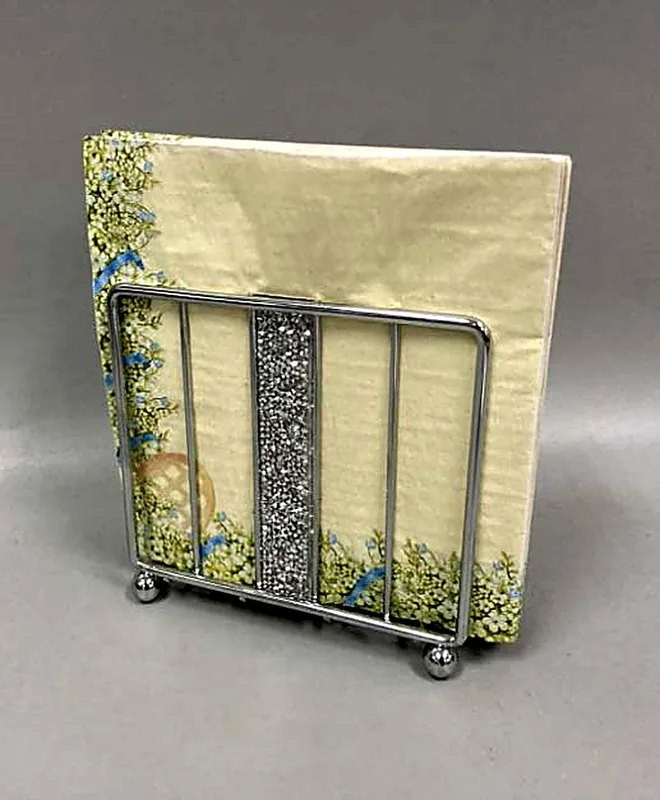
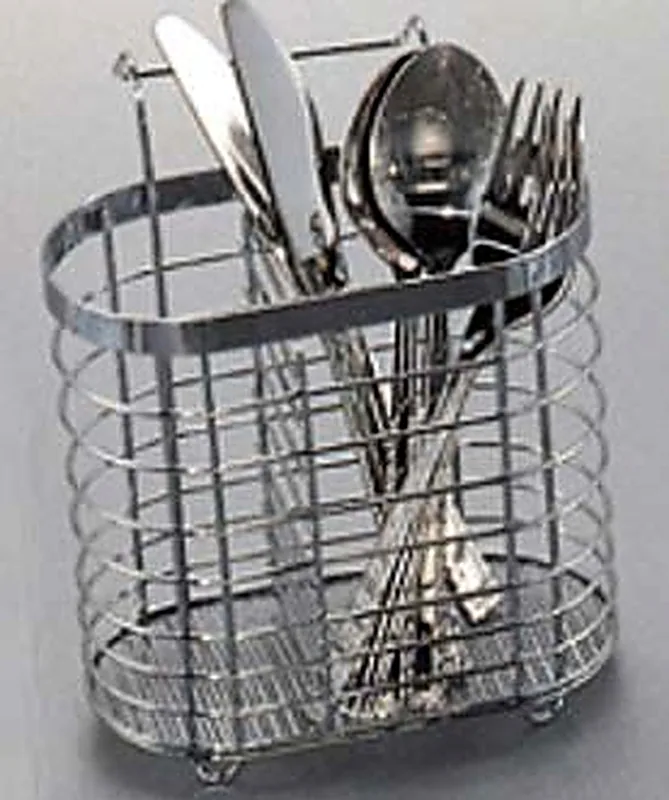
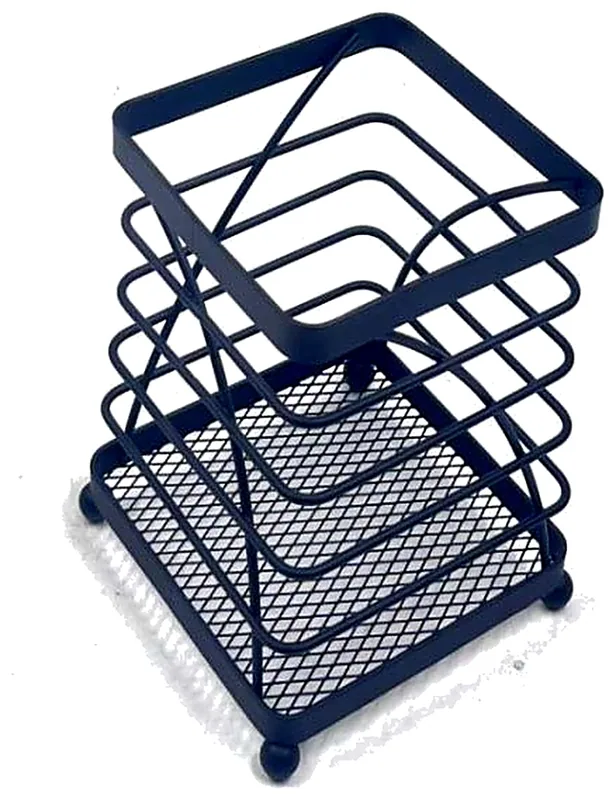
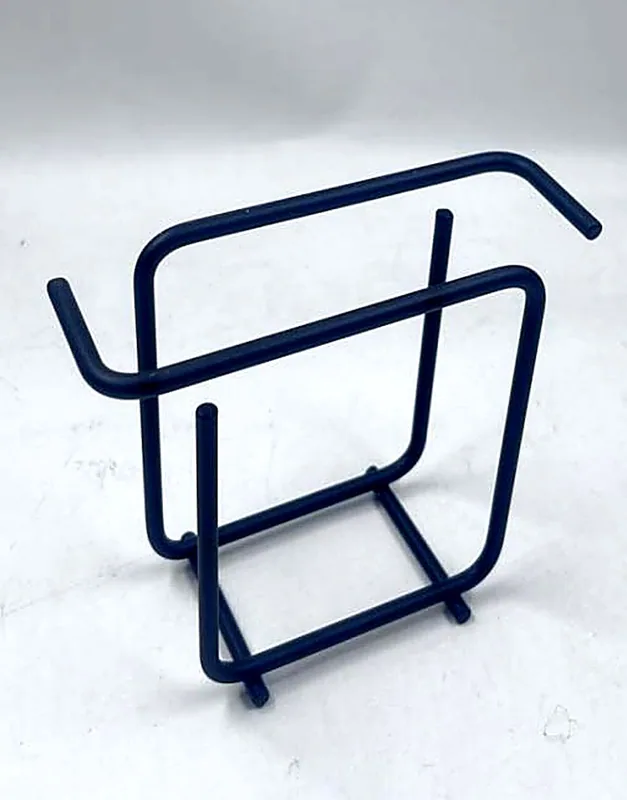
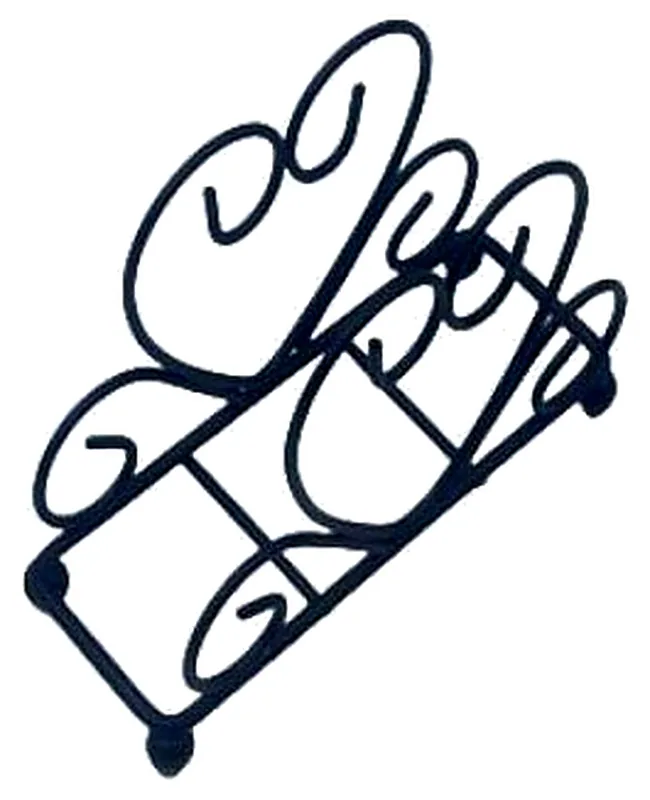
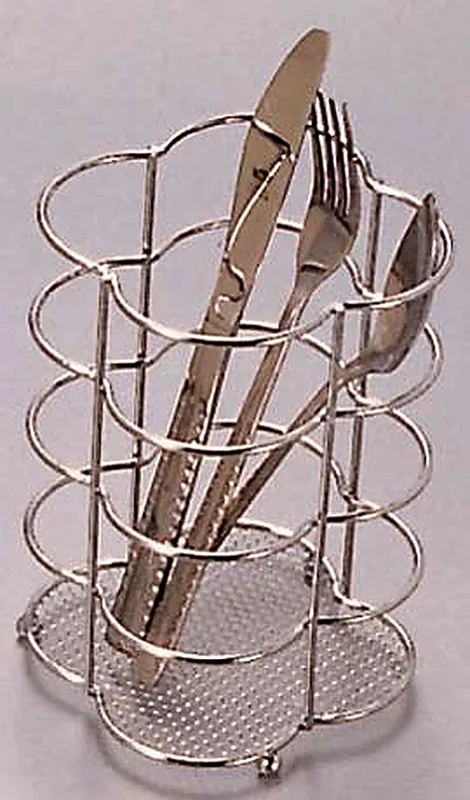
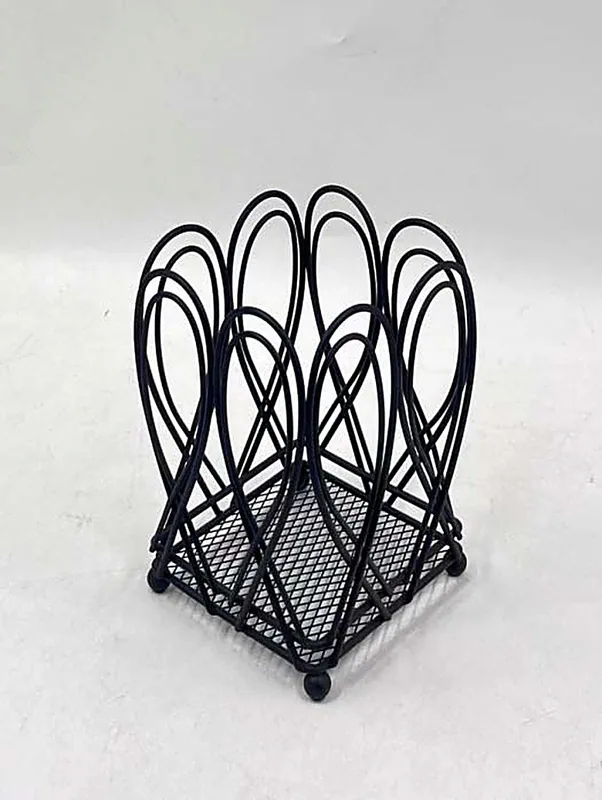
Our napkin and utensil holders line is a family of metal wire holders for kitchen and dining table use: napkin holders in black, navy, chrome, gold-tone and rose gold wire, cutlery holders that hold knives, forks and spoons, and utensil holders with cage, loop or slat frames and mesh bases. Examples are the Napkin Holder – Heart Loop, Wood Base (TVD-2348), the Napkin Holder – Chrome, Decor Panel (TVD-2352), the Cutlery Holder – Chrome Oval Cage (TVD-2355) and the Utensil Holder – Navy Square Cage (TVD-2357). No certification is on file for any of them. We therefore never describe the line as certified, listed or approved; we confirm certification status and supply the documents with the quote before you order.
The reason this guide exists is that a holder is not covered by one single rule. Each type of holder meets a different mix of rules, depending on whether it holds napkins on a table, cutlery that goes in a mouth or kitchen tools next to a stove.
Which rules touch which holder
| Holder type | Typical use | Rules to check |
|---|---|---|
| Napkin holders, such as TVD-2349 and TVD-2350 | Hold paper napkins on a table or counter | Finish and coating questions; packaging language; no powered part, so no electrical mark applies |
| Cutlery holders, such as TVD-2355 and TVD-2359 | Hold knives, forks and spoons that go to the mouth | Food-contact materials and finish; lead on coated or plated parts; cleanability |
| Utensil holders, such as TVD-2357 and TVD-2360 | Hold cooking tools beside the stove | Heat and moisture near cooking; coating durability; kitchenware lead rules |
| Wood-base styles, such as TVD-2348 | Napkins on a wood base | Wood finish and any glue or coating; ask for a finish test report |
Food-contact: the cutlery and utensil holders
The Food and Drugs Act prohibits selling food in or with materials that may make it harmful. Health Canada does not pre-approve kitchenware, so buyers commonly ask the factory for food-contact test reports. A holder that carries clean cutlery or cooking tools can be treated by a buyer as a kitchen product, so ask whether the cage or mesh base touches the handles or the working end of a tool, and ask for a test report on plated and coated surfaces. The Consumer Products Containing Lead Regulations include kitchen utensils, which is a reason to request a lead test report where a holder is sold as kitchenware. For a pure napkin holder, the food-contact question is weaker, but a restaurant buyer will still ask what the finish is made of.
Finishes: chrome, black, navy, gold and rose gold
The line is sold on finish, and finish is where questions come up. Chrome, gold-tone and rose gold suggest a plated or metallic coating, while black and navy suggest a painted or powder-coated wire. Our listings give the colour but not the process, so ask the factory what the coating is, what it was tested for and how it holds up to repeated washing. A decorative metallic coating near an edge that touches food or lips is the kind of detail that draws questions, so request a lead and cadmium statement for the gold-tone and rose gold styles, such as the Napkin Holder – Gold Arches (TVD-2353). The Surface Coating Materials Regulations limit lead in coatings on furniture and on children's products, so if a holder is sold for a child's room or as children's tableware, that limit matters; confirm with us if that is your plan.
Document checklist
| Document | Why you need it | Who issues it |
|---|---|---|
| Material and finish statement | Names the wire metal, plating or paint, and the wood base finish | Factory |
| Food-contact test report for cutlery and utensil holders | Supports a food-contact position with a buyer or health unit | Factory or a third-party lab |
| Lead (and cadmium for metallic finishes) report | Answers kitchenware and decoration questions | Factory or a third-party lab |
| Cleaning and care guidance | Needed for the pack and for food-premises buyers | Factory |
| Bilingual pack text | Consumer Packaging and Labelling Act; Quebec French | You, with our proofing |
| Customs classification confirmation | Duty and tax follow the tariff classification and origin | Our customs broker |
| Certification status note | States plainly that no mark is on file | Thames Valley Distribution |
Labelling and Quebec
If a holder is sold prepackaged to consumers, the Consumer Packaging and Labelling Act requires bilingual product identity and net quantity plus the dealer's name and place of business. In Quebec, the Charter of the French language requires labels, instructions and warranty documents to be available in French, with French at least as prominent. Quebec retailers will ask for it. Provincial tax differs by delivery address; see our sales tax by province guide.
Restaurants, landlords and public health
A restaurant or café that uses the holders at the table sits under provincial food premises rules, and local public health inspectors expect equipment that is durable, easy to clean and kept sanitary. A franchisor or landlord may ask for sanitation certification on commercial food equipment; a napkin holder may not need it, but a cutlery or utensil holder in a food-service pass can draw the question. Check with your health unit and your landlord. We cannot claim any sanitation certification for these holders because none is on file.
What goes wrong when documents are missing
For a wire holder, the risk is rarely an inspector at the dock. It is a retailer's vendor review that rejects a pack with no bilingual wording, a restaurant buyer who asks for a finish report you do not have, or a marketplace listing that is pulled when a customer reports a flaking coating. Collect the table above before you print packaging.
How we handle it
On every quote we ask the factory for the documents in the table, review the answers and tell you plainly what is confirmed and what is missing. Because the line mixes finishes and holder types, we can split a mixed order so that the documents match each item, for example one report for chrome and one for black. Samples are available on most items, and the sample cost is usually credited to the first order. Payment is 30% deposit with 70% before release. See how ordering works and send the quote request. You can also read CSA, cUL and cETL marks explained to see why those marks do not apply to unpowered wire holders. Browse the napkin and utensil holders line. Rules change, so confirm with the authority, your inspector or your customs broker; this is not legal advice.