Product guide ·
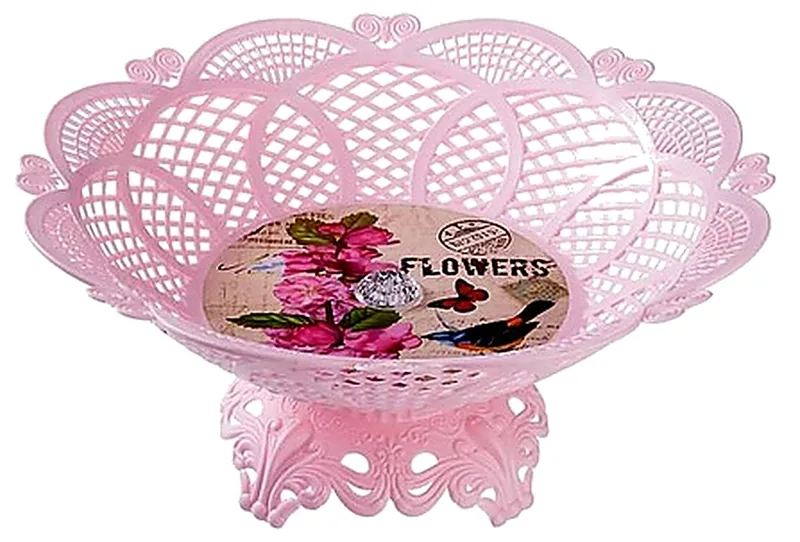
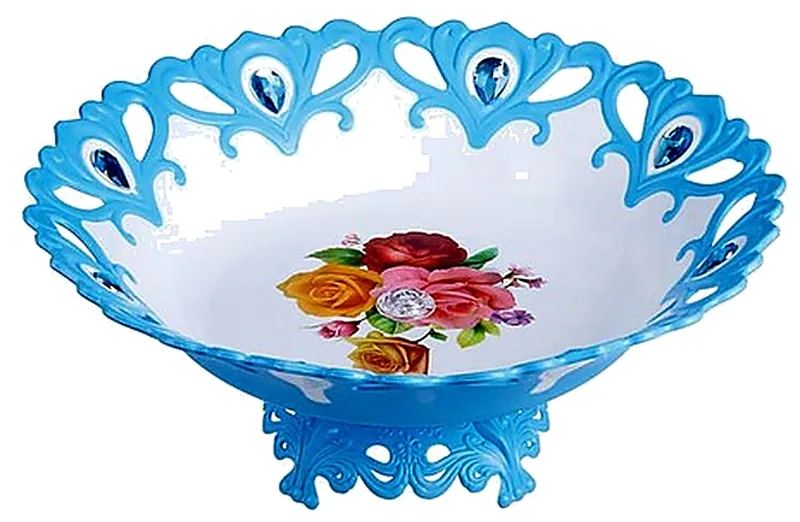
Pink Footed Flower Bowl (TVD-2740) and Blue Footed Bowl (TVD-10328): Choosing a Colour
Two footed, flower-shaped bowls with hollow-out detail share one product description. The real choice is colour and cut-out pattern, and this guide shows how to decide and what to confirm before you order.
Two bowls, one pair of colours
This is a two-product group. The Pink Footed Flower Bowl (TVD-2740) and the Blue Footed Bowl – Heart Cut-Out (TVD-10328) come with the same product description: flower-shaped hollow-out bowls, pink and blue colours, and matching trays and small bowls. Put simply, they share one specification. One is named for its pink colour and the other for blue and a heart-shaped cut-out. Beyond that, the listed features do not separate them, so we will not invent a size, capacity or weight difference. The full size of each is confirmed on your written quote, and a free account on the site shows the full specifications.
The wording "matching trays and small bowls" is useful for a buyer planning a set: it indicates the design family extends past the one bowl, so you can build a coordinated display around it. Which tray or small bowl goes with which colour, and in what quantities, is something to settle on the quote.
Pink or blue: a practical way to decide
Colour choice is mostly a merchandising decision, and the two shades behave differently in a shop or on a table.
- Pink (TVD-2740) reads as warm and celebratory. It sits comfortably next to spring, wedding and baby-shower displays, and with cream or white tablecloths in a tea room.
- Blue with a heart cut-out (TVD-10328) is cooler and a little more unexpected. The heart makes it a natural for Valentine's and anniversary shelves, and the blue photographs crisply for online listings.
- Both together give you a two-tone display, which tends to make a shelf look fuller than the same number of single-colour pieces.
| Question | TVD-2740 Pink | TVD-10328 Blue |
|---|---|---|
| Shape | Flower-shaped, footed | Footed with a heart cut-out |
| Colour | Pink | Blue |
| Strongest seasonal pull | Spring, weddings, showers | Valentine's, anniversaries |
| Size and capacity | Same product description; each confirmed on the quote | |
Who buys footed flower bowls
Gift shops and homewares retailers use footed bowls as a display piece as much as a serving one: a raised foot lifts sweets, soaps or potpourri and gives the shelf height. Candy and chocolate sellers and bakeries use them for counter displays. Event planners buy them for dessert tables, where a run of identical pink bowls looks deliberate. Cafés and tea rooms use the smaller bowls for sugar, jam or fruit. Online sellers can list the pair as one product with a colour option and use the matching trays as an upsell.
Hollow-out edges and what they mean in service
Open cut-outs are decorative, but they change how a bowl behaves. Loose items such as small sweets can slip through if the openings are larger than the item, so ask for the cut-out size or test with your own product on the sample. Hollow-out edges also mean thinner sections that need careful packing. Ask how the bowls are nested or separated in the carton and how many fit in one carton, since a footed bowl takes more freight volume than a flat dish.
For washing, do not assume a dishwasher rating: no rating is stated for these pieces, and the factory rating, if any, is confirmed on the quote. Hand-washing instructions can be printed on a swing label if you want your customers to have them.
Food contact, decoration and the Canadian rules
If these bowls will hold food, a buyer's checklist is short but firm. The Food and Drugs Act prohibits selling food in or with materials that may make it harmful, and Health Canada does not pre-approve kitchenware, so buyers ask the factory for food-contact test reports. If the version you order is glazed ceramic or glass, the Glazed Ceramics and Glassware Regulations set limits on lead and cadmium that can leach from food-contact pieces, so ask for a lead and cadmium report, especially for any coloured or decorated surface near the rim. If it is another material, ask for the report that fits that material. If you sell the bowls as decorative only, say so on the packaging and ask us to quote them on that basis.
No certification is on file for TVD-2740 or TVD-10328. We confirm certification status and supply the documents with the quote before you order. See the line-wide guide to decorated and food-contact trays for the full document list, and remember that rules change: confirm current requirements with Health Canada or your customs broker. This is not legal advice.
Build a colour order that sells through
- Decide the ratio of pink to blue from your own past sales; if you have none, start even and rebalance on the repeat order.
- Ask for the matching trays and small bowls to be quoted in the same colours so the set photographs as one.
- Approve a sample so you can judge the colour under your own shop lighting, since pink and blue can shift between a screen and a shelf.
- Request colour consistency across the production run, and ask whether a colour lot can be reserved for repeat orders.
- Check the retail packing, barcode and the bilingual labelling needed for prepackaged consumer products.
Freight, tax and ordering
Orders travel by ocean to Vancouver or Prince Rupert and then onward by rail and truck, so plan lead time around the season you are selling into, particularly for Valentine's and spring. A bowl delivered in January for a February display leaves little margin. The landed cost calculator helps you estimate delivered cost, and the sales tax by province guide explains what is added on delivery. Details of the process are on how ordering works: written quote, samples on most items, 30% deposit and 70% before release.
Other pieces in the same range, such as the Rose-Print Round Tray (TVD-10312) and the Flower-Print Round Tray (TVD-10314), can be quoted alongside these bowls. See the full tray and plate line, the Canadian wholesale page, or go straight to a quote request.