Product guide ·
Heavy duty planetary mixers for Canadian bakeries and pastry kitchens
TVD-10815 comes as bench and floor models with a bowl guard. Here is how to choose between them and what to send for a quote.
The mixer a bakery builds its day around
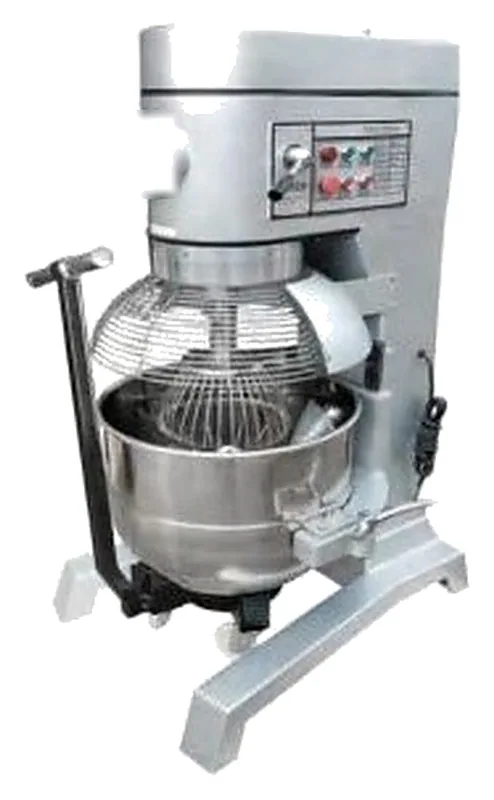
The Planetary Mixer, Heavy Duty (TVD-10815) is offered as bench and floor models with a bowl guard, aimed at bakery and pastry work. A planetary mixer turns its attachment around the bowl while the bowl stays fixed, which is why it handles doughs, batters and creams with one machine. Bakeries, pastry shops, hotel kitchens and commissaries buy it.
A free account on the product page shows the full specification; here is how to choose between the two models and what to send for a quote.
Bench or floor: how to choose
| Question | Bench model | Floor model |
|---|---|---|
| Where does it sit? | On a sturdy table or counter, so check the surface and the lift | On the floor, with its own footprint and clearance |
| Who uses it? | Smaller pastry kitchens and cafe bakeries | Production bakeries with repeated large batches |
| What to confirm | Capacity, weight, table strength | Capacity, weight, power supply, floor anchoring |
| Hardest thing to retrofit | A counter that cannot take the weight | Three-phase power if the building has only single-phase |
Capacity, motor rating and dimensions are not in our listing listed points, so they are confirmed on your written quote.
The bowl guard in daily use
The bowl guard keeps hands out of the bowl while the attachment turns, and it is what most kitchen managers notice first. Ask how it is built, whether it is removable for cleaning and whether it affects how you add ingredients mid-batch. Your staff will cut corners with a guard that is awkward to use, so test the idea with your baker before ordering. Sanitation reviewers will also want to see it can be washed.
What to put on the specification
- Bench or floor, and bowl capacity. Think in your largest batch, not your average one.
- Voltage, phase and frequency. Canadian supply is 120 V or 240 V single-phase, or 208 V or 600 V three-phase, at 60 Hz. A machine rated 220 V / 50 Hz must be confirmed as built for Canadian voltage and 60 Hz, because motors can misbehave on the wrong frequency.
- Which attachments and bowls are supplied. Ask for the list in writing.
- Materials in contact with dough. Bowl and attachment material and finish.
- Dimensions, crated size and weight. Check the door, stairs and lift.
- Certification status. Electrical mark and any sanitation certification.
Where it sits among the other kitchen products
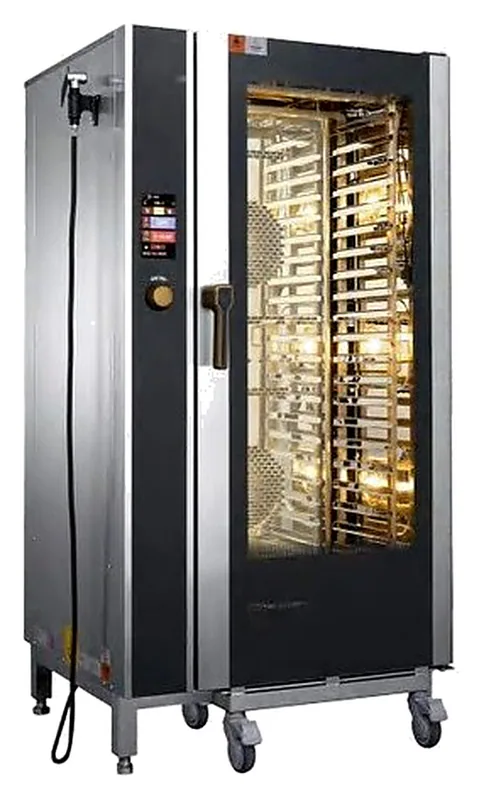
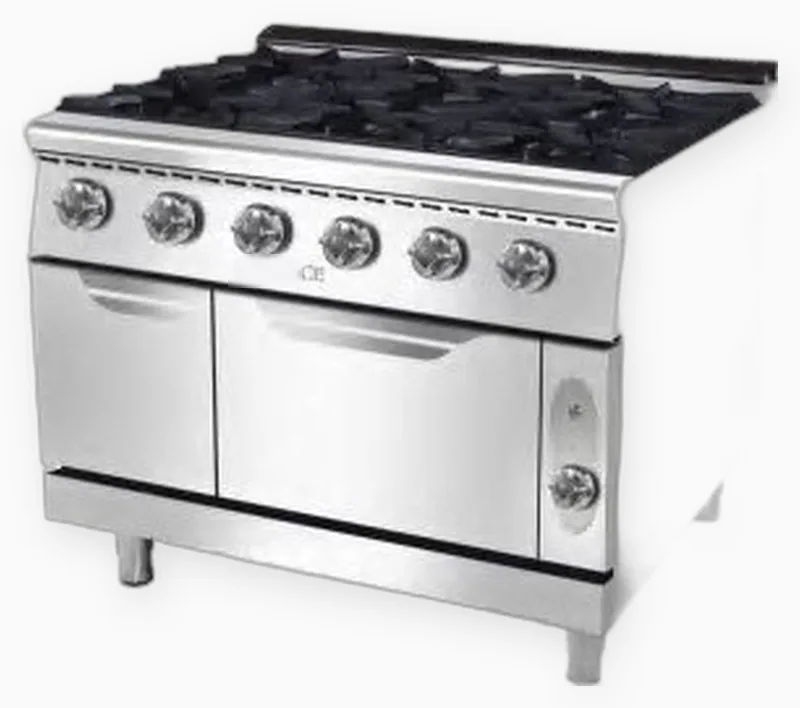
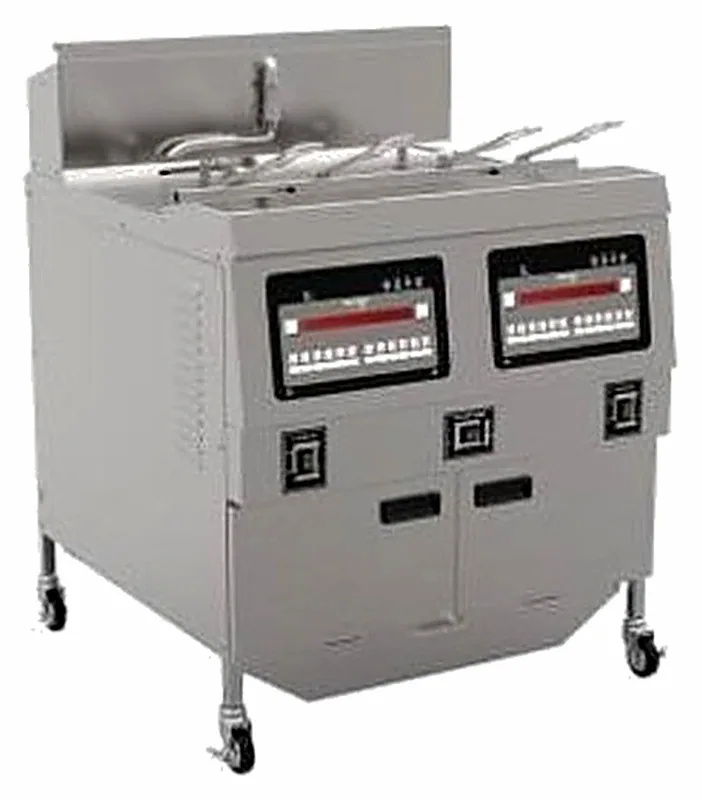
A mixer pairs with ovens and prep equipment more than with other cookers. The Combi Oven (TVD-596) combines steam and convection and suits bakery finishing, while the Gas Range with Oven (TVD-593) covers general restaurant lines. For hot-line frying, look at the Open Fryer, Double Tank (TVD-10812). The mixer is the one item here with a moving bowl and attachment in contact with food, which changes the sanitation conversation.
Canadian use notes
- Power. Bakery panels are often three-phase, but small shops may only have single-phase. State which you have.
- Winter. Machines that arrive cold from winter transit should sit and warm before use, since condensation forms on a cold motor. Let us know your delivery month.
- Food contact. The Food and Drugs Act prohibits selling food in or with materials that may make it harmful, and Health Canada does not pre-approve kitchenware, so buyers often request food-contact test reports from the factory.
- Sanitation. Health units, landlords and franchisors may ask for NSF/ANSI or an equivalent mark.
Planning the bakery floor
Leave working room around the machine for loading the bowl, swinging the guard and moving a trolley past it. Think about where the flour, the scale and the proofing area sit relative to the mixer, because the walking distance adds up over a shift. A floor model also needs a clear route from the delivery door, so measure corridors and thresholds against the crated size confirmed on your quote.
Sample and trial order
A mixer is a machine you want to see turning before you commit to several. Samples are available on most items, and a low trial minimum applies on many lines, so ask whether one unit can be quoted first. Keep the bowl size and the bench-or-floor choice the same across the trial and the main order so the results transfer.
Certification
No certification mark is on file for TVD-10815. The mixer is food equipment, and as a plug-in or hard-wired machine it also has to meet Canadian electrical rules. A CE mark does not satisfy them. We confirm the status and send documents before you order; our companion certification guide for this mixer goes into detail.
How ordering works
You receive a written quote for your quantity and delivery address covering specification, certification status, packing, lead time and delivered cost; prices are not published. Low trial minimums apply on many lines, samples are available on most items with the cost usually credited to the first order, and goods from several factories can share a container. Payment is 30% deposit and 70% before release. See how ordering works, the landed cost calculator and the sales tax guide. Region notes are in the Ontario guide and the Alberta guide. Send your details through the quote request or browse the commercial kitchen equipment line.