Product guide ·
Rectangular Glass-Lid Chafing Dishes: Wholesale Guide for Hotels and Caterers
A viewing-window chafer for hotel buffets, caterers and banquet halls. Learn what to specify, how glass and heat source change your checks, and how to order.
The chafer that lets guests see the food
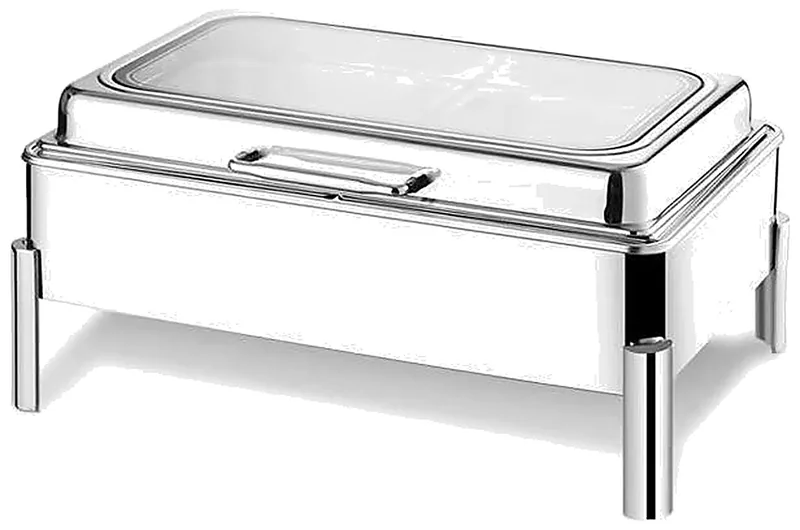
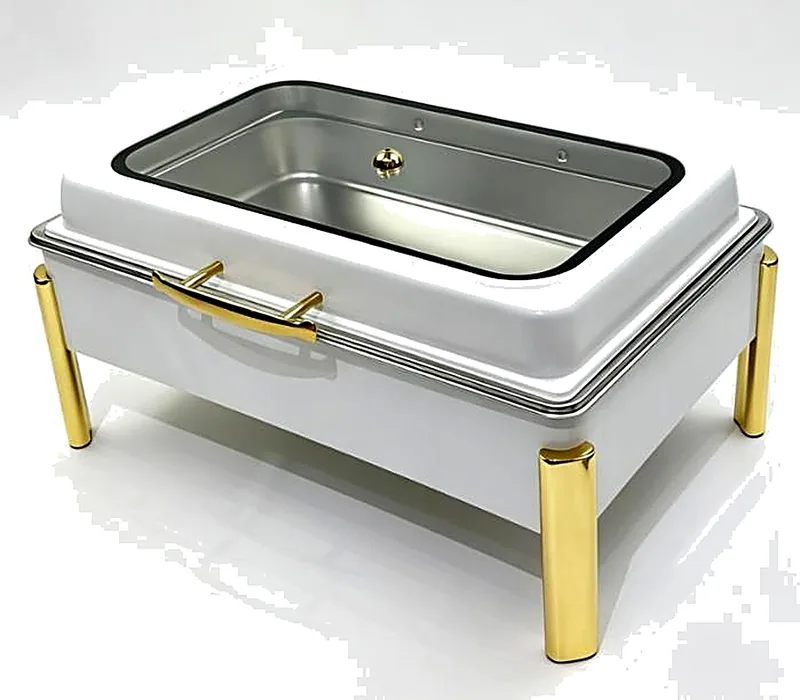
The Rectangular Glass-Lid Chafing Dishes (TVD-655) are buffet chafers with a viewing-window lid. They take full and half-size pans, and they run on fuel or electric heat. The window means guests can see what is in the pan without lifting the lid, which keeps the heat in and cuts down on handling. If you are pricing up chafing dishes wholesale in Canada, this is the practical, general-purpose rectangular chafer in a line of 31 products, and the one most buffet lines are built around.
Who uses them
Hotels, caterers and banquet halls are the typical buyers. A hotel breakfast line wants chafers that look consistent along twelve metres of buffet. A caterer wants units that stack, travel and clean quickly. A banquet hall wants enough identical pans to rotate through service. All of them care about the same three things: pan size, heat source and how the lid behaves.
What the listed points mean on a buffet line
- Full and half-size pans. Full-size pans suit mains and rice; half-size pans suit sides, sauces and vegetarian options, so you can offer more choices without more footprint. Confirm which pan sizes come in the box and which are extra.
- Viewing-window lid. A glass panel in the lid shows the food. It also means glass is part of the product, which brings glass rules into the buying decision (see below).
- Fuel or electric heat. Fuel is portable and works in a marquee or a hall with no power at the table. Electric needs sockets or a power distribution plan, and is fuel-free, which some venues prefer.
How to specify them: a buyer's checklist
- Choose the heat source and say so on the quote: fuel, electric, or both.
- For electric, ask for voltage, phase, frequency, amperage and plug type, so your venue can plan its sockets and circuits.
- Ask what is included: food pans, water pan, lid, stand, fuel holder.
- Confirm the stainless steel grade and thickness.
- Confirm the lid mechanism and how the glass is held in the frame.
- Ask for overall and crated dimensions and weight, and how many units fit in a carton.
- Ask which certification marks are on file, and whether a field approval would be needed for the electric version.
- Ask for food-contact documents, including lead and cadmium test results for the glass.
How the rectangular glass-lid chafer compares
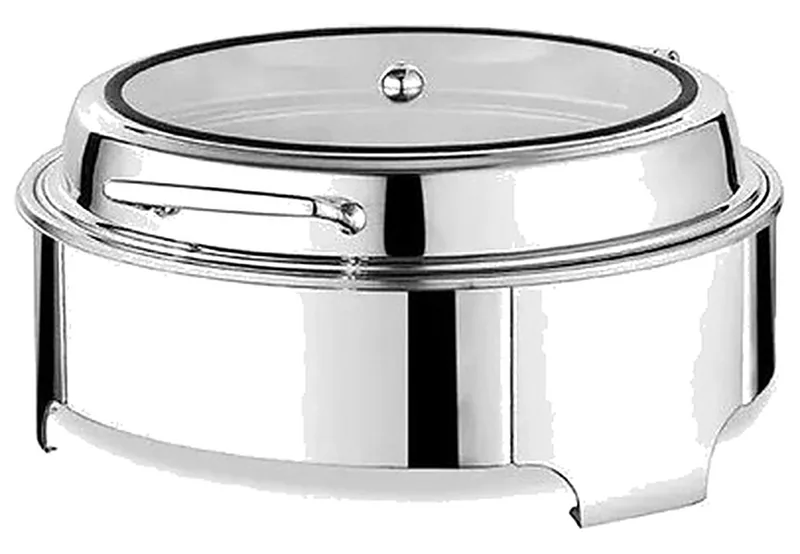
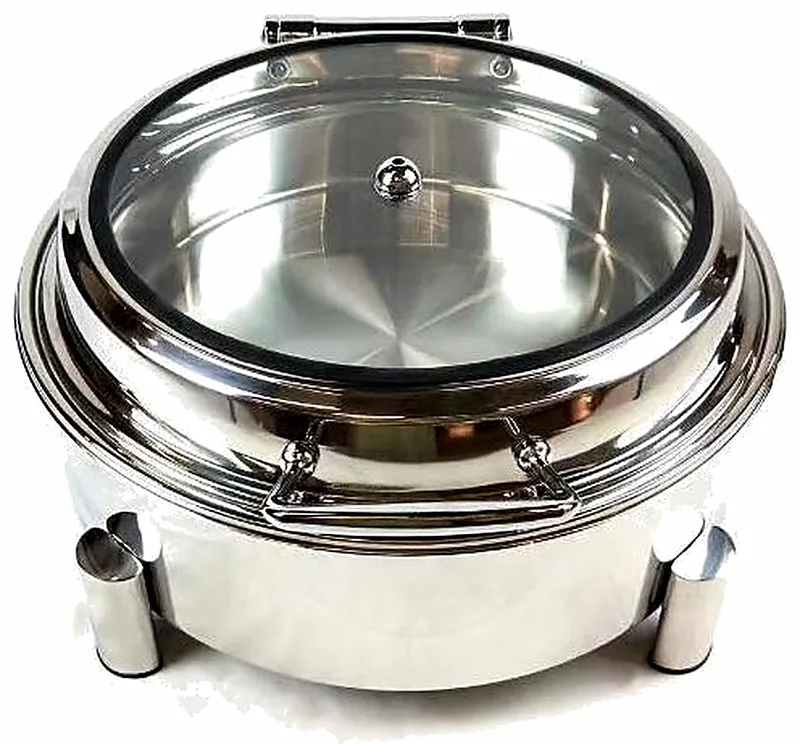
- The Round Chafing Dish, Glass Lid (TVD-656) has round soup and side pans and a soft-close lid, aimed at breakfast and banquet buffets. Pick the round one for soups, porridge and sauces; pick the rectangular one for mains and trays.
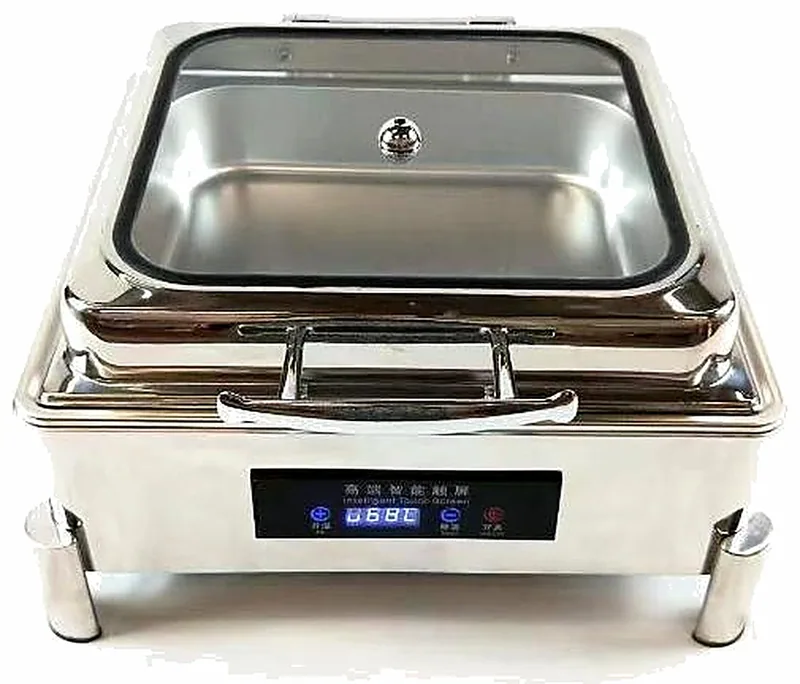
- The Digital Electric Chafers (TVD-657) come in rectangular and round shapes, with a digital temperature display and no fuel cans. Pick it when you want controlled electric heat and a clean, flame-free table.
- The Premium Hydraulic-Lid Chafers (TVD-658) have a hydraulic slow-close lid and divided pan options, aimed at hotel buffets. Pick it for a premium line where the lid action is part of the experience.
For weddings and premium events there is also the White Marble & Gold Chafers (TVD-659) range, so you can match style across the line. Order matching styles for a consistent buffet line.
Canadian use notes
Three things come up most often. First, glass. The Glazed Ceramics and Glassware Regulations set limits on lead and cadmium that can leach from glazed ceramics and glassware that contact food, and decorated rims and printed or metallic decorations near the lip are a known risk. Ask for a lead and cadmium test report for any glass lid or decorated piece. Second, food contact. The Food and Drugs Act prohibits selling food in or with materials that may make it harmful; Health Canada does not pre-approve kitchenware, so buyers commonly ask the factory for food-contact test reports. Third, electrical. Electric chafers sold or installed in Canada must carry a mark from a certification body accredited by the Standards Council of Canada, such as CSA, cUL or cETL, or a field evaluation label; a US-only mark is not enough. No certification mark is on file for TVD-655 at the time of writing, so we confirm status and documents on the quote before you order. Our post on CSA, cUL and cETL marks explained explains what to look for.
Fuel-heated chafers also deserve a conversation with your venue and your insurer about open flame, and the rules for fuel storage and transport are worth asking about before you ship. Rules change, so confirm with the authority, your inspector or your customs broker. This is not legal advice. If you sell in Quebec, product labels, instructions and warranty documents must be available in French; ask us for French documents with the quote.
Freight matters for glass. Ask us about packing, and tell us if the delivery is in winter, since liquids and electronics can freeze in transit. Delivery is to site, store or warehouse across Canada; see the Canada delivery hub. Taxes follow the province of delivery, explained in our sales tax by province guide, and the landed cost calculator gives a first estimate of delivered cost.
How ordering works
Send a quote request with quantity, pan sizes, heat source and delivery address. We reply in writing with specifications, certification status and documents, packing, lead time and delivered cost. Samples are available on most items, with the cost usually credited to the first order, and many lines have low trial minimum orders. Payment is 30% deposit and 70% before release. Chafers from several factories can share one container with the rest of your hospitality order. Read how ordering works, browse the Hotel Buffet & Catering Equipment line, or see our wholesale guide to buffet and catering equipment.