Certification guide ·
Silicone Bakeware, Ice Moulds and Baking Sets: What Canadian Rules Mean for Each Product Family
Our bakeware and ice moulds range spans silicone moulds, cake servers, cookie cutters and boxed baking sets. The Canadian rules differ between those families. This guide sorts them out and lists the documents to request.
One range, several different rule questions
Our bakeware and ice moulds range includes soft silicone moulds, cake servers, cookie cutters and tool sets, and boxed gift sets. None of the products has a certification on file, so we make no certification claim for any of them. For each, we confirm certification status and supply the documents with the quote before you order. A buyer who treats the range as one product will miss real differences, so this guide goes family by family. It applies to the products where our listing shows food use; where a version includes parts we have not been told about, such as a wooden handle or a powered part, tell us and we will confirm which rules apply.
The rules that apply to all of them
- Food-contact materials. The Food and Drugs Act prohibits selling food in or with materials that may make it harmful. Health Canada does not pre-approve kitchenware, though it offers voluntary Letters of No Objection for food packaging materials. Buyers commonly ask the factory for food-contact test reports, such as FDA or EU food-contact migration tests.
- Lead. The Consumer Products Containing Lead Regulations set lead limits that include kitchen utensils and products for young children.
- Labelling. Prepackaged consumer products need bilingual product identity and net quantity plus the dealer's name and place of business under the Consumer Packaging and Labelling Act. In Quebec, labels, instructions and warranty documents must be available in French.
- Duties and taxes. Import duty depends on the tariff classification and origin, and our customs broker confirms before we quote a delivered cost.
Product families and what differs
| Family | Examples | Rule point to watch |
|---|---|---|
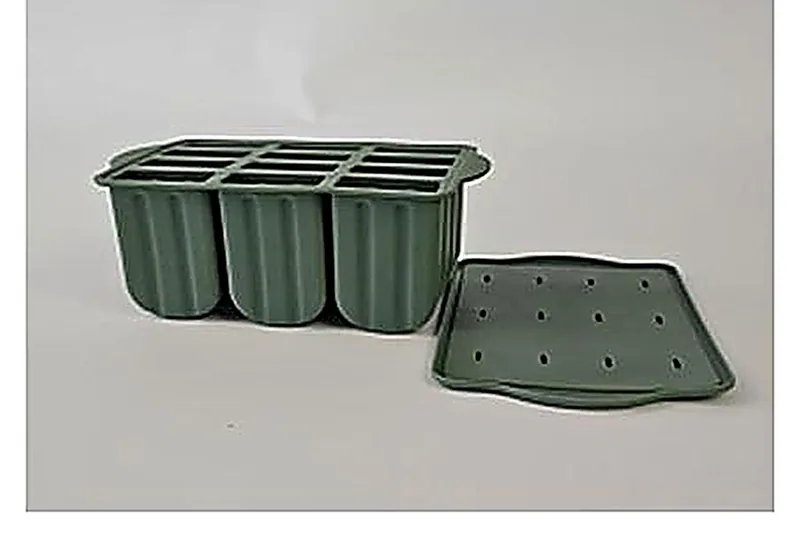
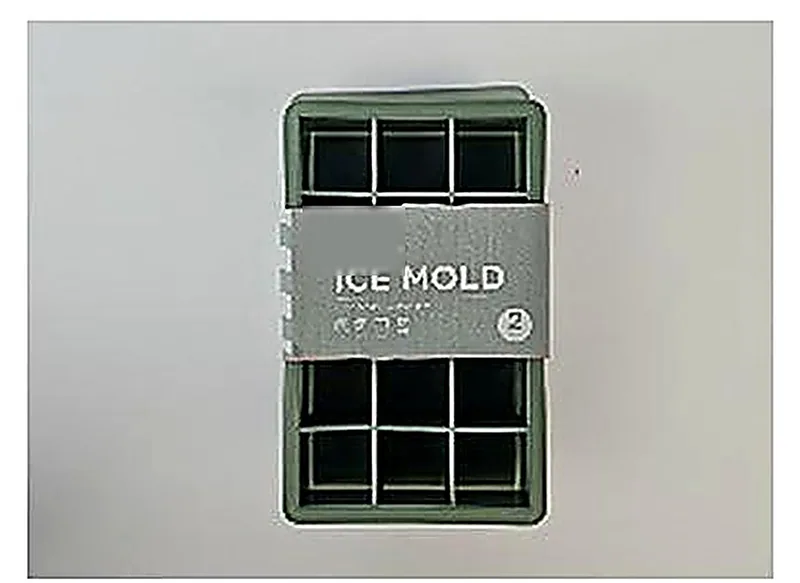
| Frozen-treat and ice moulds | TVD-2847 Green Silicone Popsicle Mold with Lid, TVD-10739 Silicone Ice Cube Tray with Lid | Freezer temperature range; lids may be a second material |
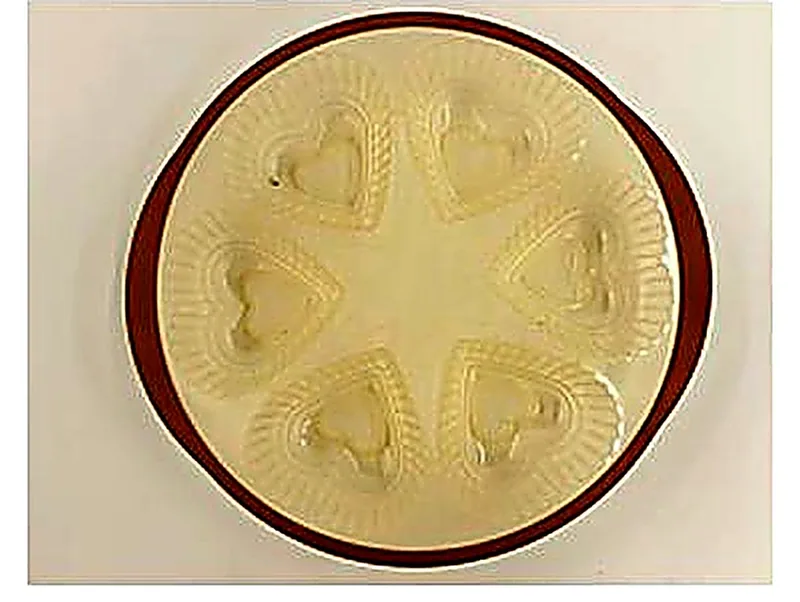
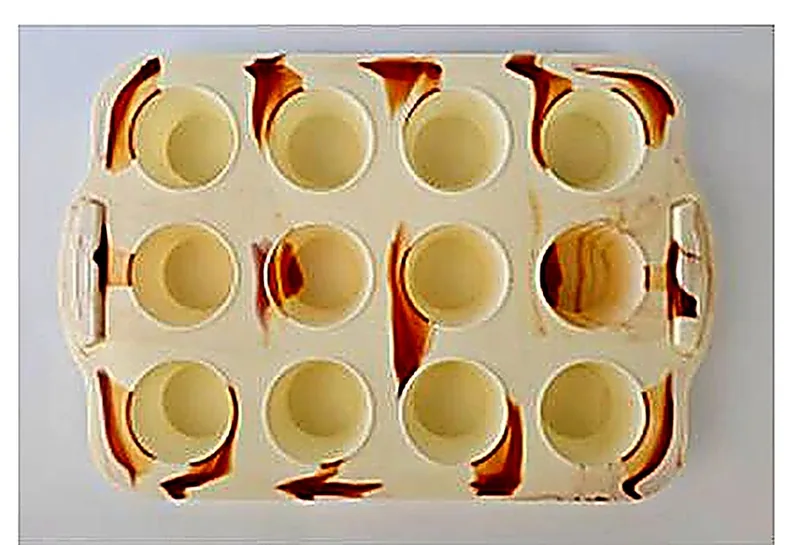
| Cake, loaf and muffin forms | TVD-2850 Silicone Heart-Shape Cake Mold, TVD-10745 Marble Silicone Muffin Tray | Oven temperature range; colourant lead |
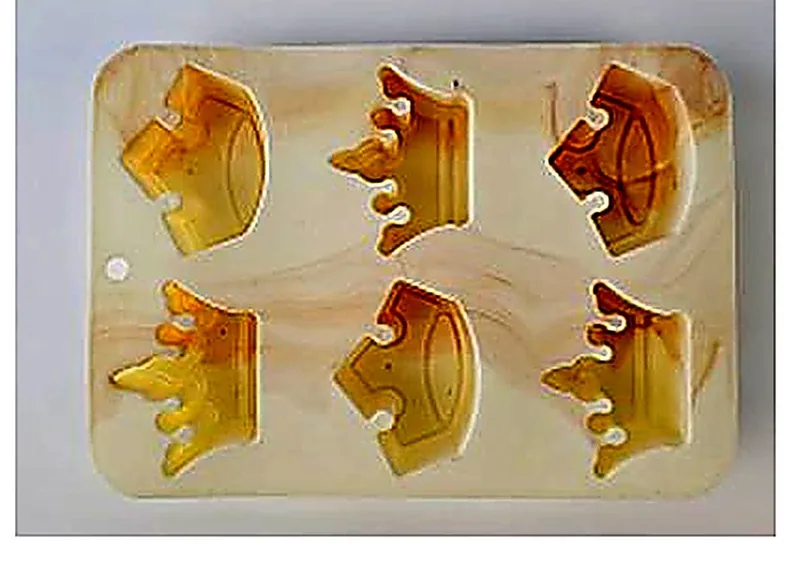
| Crown, animal and cavity moulds | TVD-2851 Marble Silicone Crown Mold | Cavity moulds for chocolate or soap; state intended use |
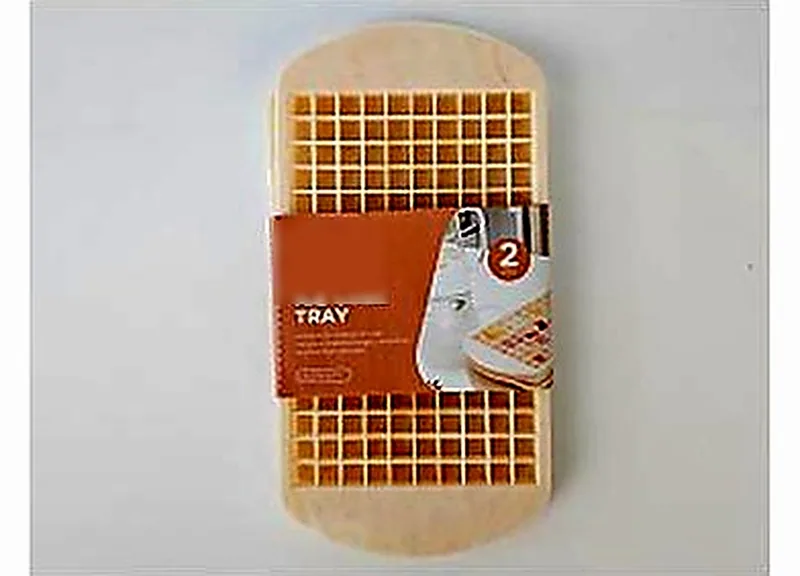
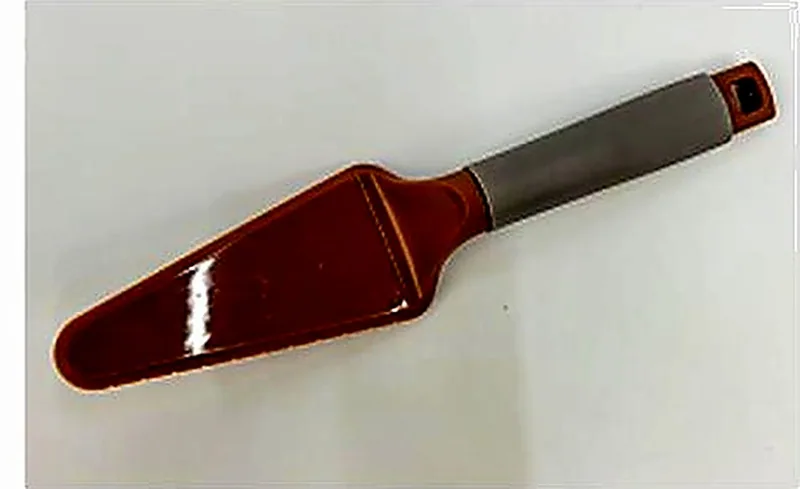
| Cake servers and ice trays | TVD-2852 Square Grid Ice Cube Tray, TVD-10751 Red Cake Server | Utensils are named in the lead rules |
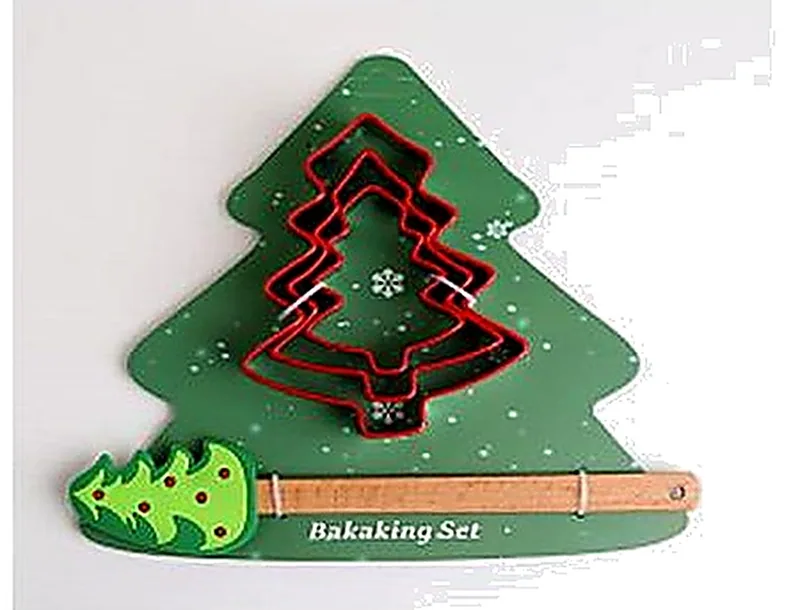
| Cutters and tool sets | TVD-2853 Christmas Tree Cookie Cutter Set, TVD-2854 Gingerbread Baking Set, Red Tools, TVD-2855 Cookie Cutter / Measure Tool | Material of each tool; handles and finishes |
| Boxed baking sets | TVD-2856 Santa Hat Baking Set, Red Tools | Gift packaging, piece count and bilingual labels |
Silicone moulds and forms
The ice and treat moulds (see the guide to green silicone popsicle moulds) and the cake and muffin forms (see the silicone heart-shape cake mold guide) are the core of the range. Ask for a migration test report that names the silicone and the temperature at which it was tested. A report done at room temperature tells you little about an oven or a freezer, so request the stated temperature range for oven and freezer use in writing. Cream, marble-tone, red and grey-green colours all come from colourants: ask for a lead statement. Several of our silicone items come in six to twelve cavities, such as the marble silicone crown mold. If you plan to market a mould for chocolate, ice or soap, say so at the quote stage, because the intended use affects which report matters.
Cake servers, cutters and tool sets
These are utensils, and kitchen utensils are named in the lead regulations. Several sets list a rolling pin, whisk and spatula, and others list cutters and tongs. Our listing does not state the material of each tool, so ask: if any part is wood or bamboo, ask for food-contact tests on finishes and glues; if metal cutters are coated, ask what the coating is and for a lead and cadmium statement; if plastic, ask for the plastic type. Also confirm the size of the cake server, shown at 26.5 cm for the honeycomb and server group, and the carded tool, shown at 21.8 x 7.2 cm. See the guides to the square grid ice cube tray group and the Christmas tree cookie cutter set group.
Boxed and seasonal sets
Gift boxes add a second compliance layer. The box is prepackaged consumer packaging, so the bilingual identity and net quantity rule applies to the outer box, and the contents must be counted and described accurately in both languages. In Quebec, the French requirement covers the box and any instructions. For seasonal items such as the gingerbread baking set, the cookie cutter and measure tool and the Santa hat baking set, plan import timing early: ocean freight from Asia lands at Vancouver or Prince Rupert about two to three weeks port to port, then continues by rail and truck, so a holiday line must be ordered well ahead of the season. If a set is marketed to children, ask the factory to confirm the lead rules for products for young children are covered.
Document checklist for the range
| Document | Why you need it | Who issues it |
|---|---|---|
| Food-contact migration test report, with test temperature | Supports food-contact sale; retailers ask first | Independent laboratory, via the factory |
| Written heat range for oven, freezer and dishwasher | Backs care labels and any claim on the pack | The factory |
| Lead statement for colourants and coatings | Kitchen utensils and children's products are covered by lead limits | Laboratory or factory declaration |
| Material list per tool in a set | Identifies wood, metal or plastic parts | The factory, confirmed on our quote |
| Bilingual label and box proofs | Required for prepackaged consumer sale | You, with our help |
| French instructions (Quebec) | Required for Quebec sales | You or us, agreed at order |
| Customs classification | Decides duty; broker confirms before a delivered quote | Our customs broker |
Electrical marks do not apply to plain silicone, but check any air fryer item
Silicone moulds are not electrical. The Marble Silicone Air Fryer Liner (TVD-10744) is used inside an electrical appliance, but the liner itself has no powered part. The air fryer must carry a Canadian certification mark from a body accredited by the Standards Council of Canada, such as CSA, cUL or cETL; our explainer on those marks shows how to read them. A European CE mark is not accepted in Canada as proof of compliance for consumer products. Read the liner compliance guide for that product.
What happens when papers are missing
A retailer can refuse to list a food-contact product without reports. A product found to be a danger to human health or safety is prohibited under the Canada Consumer Product Safety Act, with incident reporting and recalls possible. Customs can hold goods that do not match their paperwork. Provincial differences are mostly about language: Quebec requires French, other provinces follow the bilingual labelling rules for prepackaged goods.
How we handle it, and how to start
We confirm certification status and request the reports for each product with the written quote, before you order. If a report does not exist, the quote says so and you decide. Rules change, so confirm with the authority, your inspector or your customs broker; this is not legal advice. Payment is a 30% deposit and 70% before release, and we deliver across Canada. Request a quote, see how ordering works, or check the sales tax guide.