Certification guide ·
Silicone Bakeware Certification in Canada: Import Rules for Coloured-Rim Cake Pans, Muffin Moulds and Trays
Silicone bakeware with coloured rims is food-contact merchandise, not an electrical product, so the questions are about materials, test reports and labels rather than CSA marks. This guide lists what to ask before you import.
Which products this guide covers
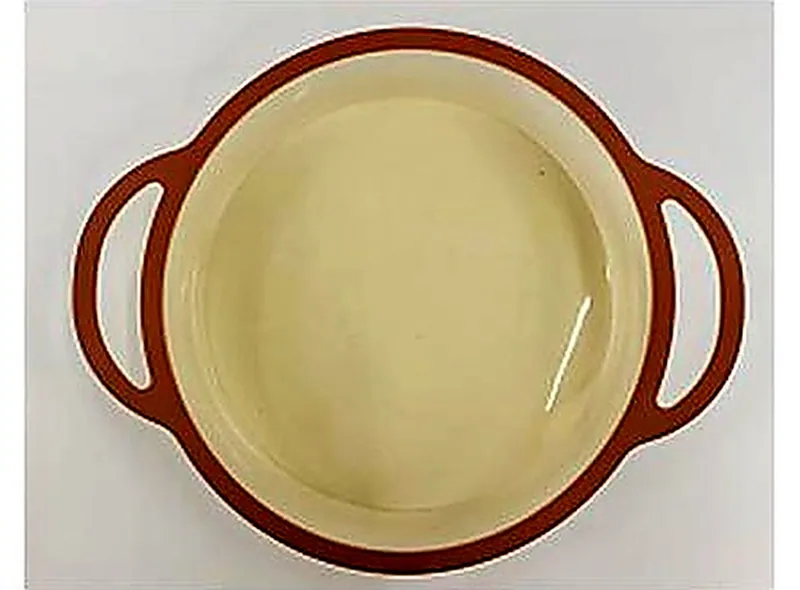
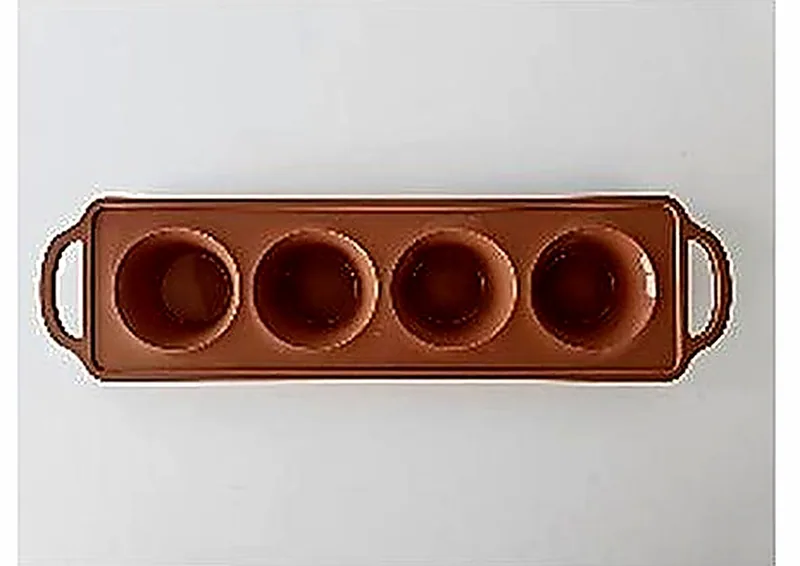
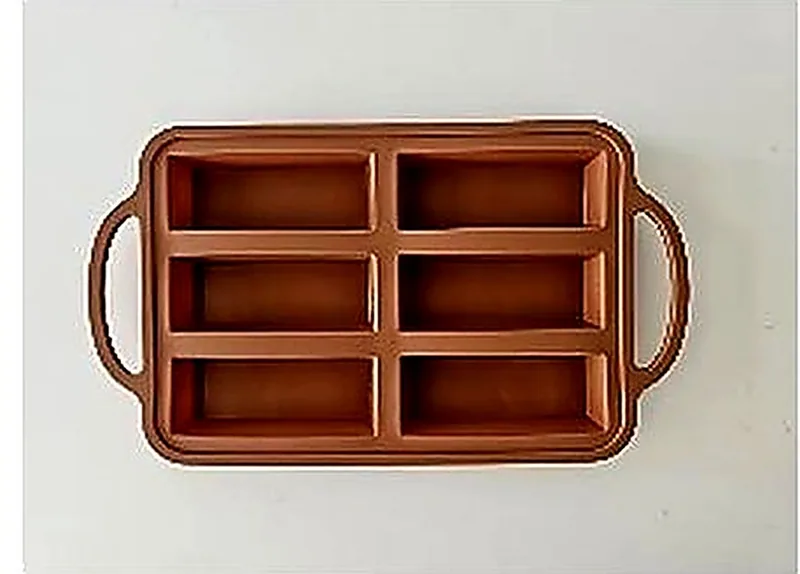
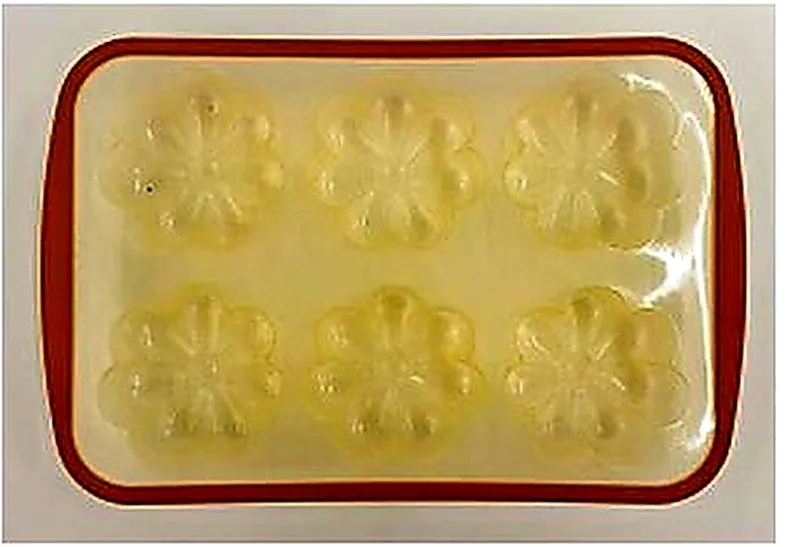
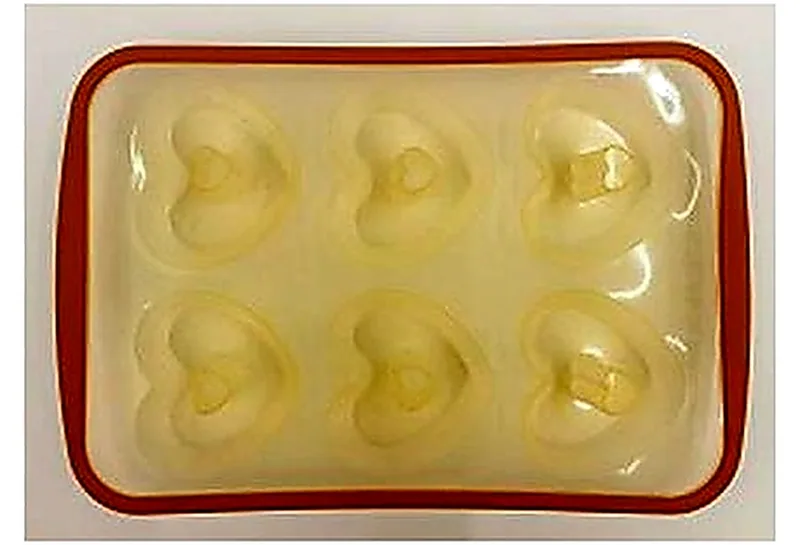
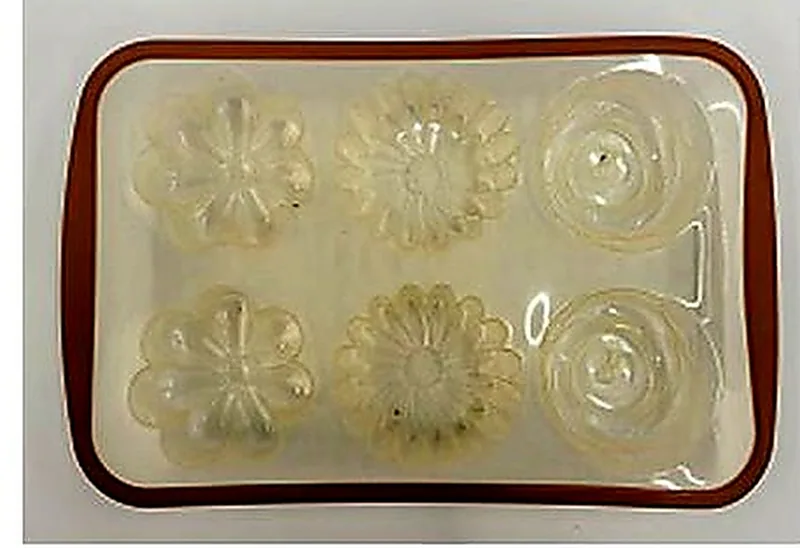
This guide looks at six silicone moulds that share the terracotta-colour rim or cream-and-terracotta finish in our range: the Silicone Round Cake Pan (TVD-2848), the Silicone Muffin Mold, 4-Cup (TVD-10740) and the Silicone Loaf Mold, 6-Cavity (TVD-10741), plus three trays listed at 28.8 x 19 cm, the Silicone Flower Mold Tray (TVD-2849), the Silicone Heart Mold Tray (TVD-10742) and the Silicone Assorted Flower Mold Tray (TVD-10743). All six are food-contact items in silicone, and all six carry a coloured section. That combination, food contact plus colour, drives the paperwork.
No certification mark is on file for any of these products. Nothing in this article should be read as a statement that they meet any standard. What we do is confirm certification status and the available test reports, and supply the documents with the written quote before you order.
No Canadian mark for plain silicone bakeware, but not no rules
Silicone moulds have no motor, heater or plug, so the electrical marks that matter for lighting and appliances (CSA, cUL, cETL) do not apply to them in the way they apply to a mixer. Our guide to CSA, cUL and cETL marks explains those marks for the electrical products in other lines. If a bakeware version you order includes a powered part, which the listed features for these six do not suggest, that part would need Canadian electrical certification; otherwise the framework below is the one that matters.
The European CE mark is not recognised in Canada as proof of compliance for consumer products. If a factory quotes a CE document, treat it as a starting point, not a Canadian answer.
The Canadian framework for food-contact bakeware
- Food and Drugs Act: it prohibits selling food in or with materials that may make it harmful. Health Canada does not pre-approve kitchenware, so there is no pre-market approval to obtain; the seller carries the responsibility.
- Canada Consumer Product Safety Act: it prohibits consumer products that are a danger to human health or safety, requires incident reporting and allows recalls. Health Canada enforces it.
- Consumer Products Containing Lead Regulations: these set lead limits that include kitchen utensils and products for young children.
- Glazed Ceramics and Glassware Regulations: these limit lead and cadmium that can leach from glazed ceramics and glassware. They do not describe silicone, but they show where regulators look for risk: decorated rims and printed or metallic decoration near the lip.
- Consumer Packaging and Labelling Act: prepackaged consumer products need bilingual English and French product identity and net quantity, plus the dealer's name and place of business.
- Quebec, Charter of the French language: labels, instructions, manuals and warranty documents must be available in French, with French at least as prominent.
Rules change, so confirm current requirements with Health Canada, your provincial public health unit or your customs broker. This is general information, not legal advice.
Why the coloured rim changes the question
A plain silicone mould raises one question: is the material food-safe? A coloured rim raises three more. Is the colour part of the silicone or a separate coloured piece? Which pigments are used? Does the test report cover the coloured section? The flower, heart and assorted trays combine cream silicone with a terracotta rim, and the cake pan, muffin mould and loaf mould carry a terracotta-colour silicone rim. Ask that the lab sample came from the coloured area and not only the plain body. A report on a neutral sample does not speak for the pigment.
Document checklist
| Document | Why you ask for it | Who issues it |
|---|---|---|
| Food-contact migration test report for the silicone (FDA or EU method) | Shows the material was tested for substances that could transfer to food | An independent testing laboratory, requested through the factory |
| Report that covers the coloured rim or coloured parts | Confirms the pigmented section was tested, not only the plain body | Testing laboratory; confirm the sample description names the coloured part |
| Lead result for coloured components | Supports the Canadian lead limits for kitchen utensils and children's products | Testing laboratory |
| Stated temperature range for oven and freezer | Prevents unsafe claims on packaging; the factory's rating is the basis | Factory, confirmed in writing on the quote |
| Bilingual label and packaging artwork proof | Meets English and French identity and net quantity rules | You or your packaging designer, checked against the quote |
| French-language instructions and warranty text (Quebec sales) | Quebec retailers and the Charter expect French | You or the factory, to your wording |
| Commercial invoice and tariff classification | Duty and taxes are set by classification and origin | Our customs broker confirms before we quote a delivered cost |
How the six products differ from a compliance point of view
The family of round cake pan, muffin and loaf moulds and the family of flower, heart and assorted trays use the same silicone description, but they raise slightly different questions. Moulds with several cavities, such as the 4-cavity muffin mould and the 6-cavity loaf mould, have thin walls between cavities where flexing is greatest; ask whether the factory tested a flexed or aged sample and what it says about odour. The trays are flatter and often used cold, for chilled or frozen treats; ask for the freezer range as well as the oven range. For the cake pan, the colour rim is the main point. None of these differences is a Canadian legal classification; they are practical distinctions that change which test report a retailer asks for.
For other shapes in the line, the same document list applies to the heart-shape cake mould family, the marble crown and animal moulds and the popsicle mould range; each has its own listed features and its own report questions.
Commercial kitchens and sanitation certification
If a café, bakery or caterer will use the moulds in a licensed food premises, provincial food premises regulations and local public health inspectors expect equipment that is durable, easy to clean and kept sanitary. Some inspectors, landlords and franchisors ask for NSF/ANSI or an equivalent sanitation certification on commercial food equipment. No such certification is on file for these moulds, so a commercial operator should ask its health unit and landlord what they require before buying, and tell us so that we can ask the factory.
What happens when paperwork is missing
- A big-box or grocery buyer may refuse to list the product until a food-contact report is supplied.
- A health unit may question moulds in a licensed kitchen that have no documentation or that cannot be cleaned to the required standard.
- Poor labelling, such as English-only packaging, can mean goods are refused by a Quebec retailer or have to be re-labelled before shelving.
- If a consumer product proves unsafe, the CCPSA allows recalls and requires incident reporting, which falls on the importer and seller.
How we handle it
When you ask for a quote on any of these products, we ask the factory for the food-contact reports available, for the temperature ratings and for confirmation of the colour construction. We confirm certification status and supply the documents with the quote before you order. Every order is quoted in writing; pricing is for the quantity and delivery address, and provincial sales tax follows the province of delivery (see the sales tax guide). Payment is 30% deposit and 70% before release, and samples on most items are credited to your first order. Read how ordering works, browse the bakeware and ice moulds line and send a quote request when you are ready. A free account on each product page shows the full specifications.