Certification guide ·
Bamboo Cutlery Tray – Printed Lining (TVD-5763): Canadian Certification and Compliance
A printed fabric lining adds questions that a plain bamboo tray does not raise. This guide sets out which Canadian rules apply and which documents to ask for before you order.
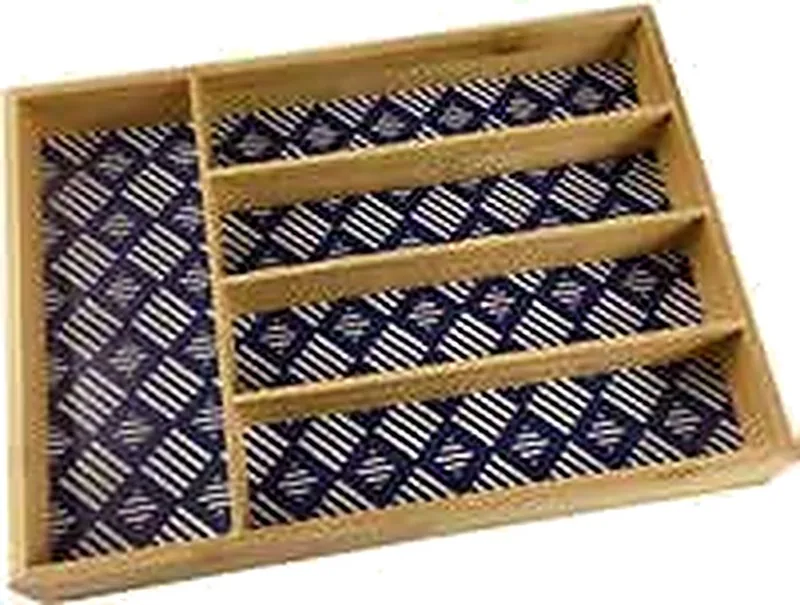
This tray is a kitchen drawer item. It has no plug, no gas connection and no battery, so none of the electrical or gas certification marks come into it. What matters is the material: bamboo, a printed fabric lining and the adhesive between them. The product page for the Bamboo Cutlery Tray – Printed Lining (TVD-5763) lists printed fabric-lined slots, several lining patterns and a fit for kitchen drawers. Our buying guide for the same tray covers how to choose and order it; this guide covers the paperwork.
Certification status
No certification mark is on file for TVD-5763. That is a statement of fact about what we hold, not a finding that anything is wrong with the tray. We confirm certification status and supply the documents with your quote before you order, and we tell you in writing if a document you need is not available.
Which Canadian rules apply
- Canada Consumer Product Safety Act (CCPSA): it applies to consumer products and prohibits products that are a danger to human health or safety. It also requires incident reporting and allows recalls. Health Canada enforces it.
- Food and Drugs Act: it prohibits selling food in or with materials that may make it harmful. Cutlery trays hold utensils that touch food, and buyers commonly ask for food-contact test reports for bamboo kitchenware and for any dyed or printed fabric.
- Consumer Products Containing Lead Regulations: lead limits that include kitchen utensils. If the printed pattern is a decoration, ask for a lead test result on it.
- Glazed Ceramics and Glassware Regulations: these concern glazed ceramics and glassware, so they do not apply to a bamboo tray unless the version you order includes a ceramic or glass part. Confirm the materials on your quote.
- Textile Labelling Act: consumer textile articles need fibre-content and dealer identity labelling. Whether a fabric lining inside a bamboo tray is treated as a textile article depends on how the product is classified, so ask us to confirm with the customs broker and your own advisers.
- Consumer Packaging and Labelling Act: prepackaged consumer products need bilingual English and French product identity and net quantity, plus the dealer's name and place of business.
- Quebec, Charter of the French language: labels, instructions and warranty documents must be available in French, with French at least as prominent.
These are requirements for the seller, not statements about this product. Rules change, so confirm them with Health Canada, your inspector or your customs broker. This is not legal advice.
Document checklist
| Document | Why you need it | Who issues it |
|---|---|---|
| Food-contact test report for the bamboo, adhesive and lining | Shows nothing harmful migrates from the materials in a kitchen drawer | Accredited laboratory, obtained through the factory |
| Lead and cadmium result for the printed pattern | The print is a decoration on a kitchen item | Test laboratory |
| Material declaration for the lining (fibre content) | Needed if textile labelling is required, and for tariff classification | Factory |
| Pattern list with a test result per pattern | Several patterns can mean several inks and dyes | Factory and laboratory |
| Tariff classification and duty confirmation | Duty depends on classification and origin | Our customs broker |
| Bilingual packaging artwork proof | Retail packs need English and French identity and net quantity | You, checked against the quote |
CE marks and Canadian marks
A European CE mark is not proof of compliance in Canada for electrical, gas or consumer products, and this tray needs no CSA, cUL or cETL mark because it is not powered. If a factory offers a CE statement or a European food-contact test, treat it as supporting evidence only: Canadian buyers usually still want a report that names the materials in your version and the standard used. Our guide to CSA, cUL and cETL marks explains what those marks cover.
Provincial differences
The main provincial difference is language. In Quebec, retailers will ask for French on labels, instructions and warranty text. Outside Quebec, the federal bilingual identity and net quantity rule still applies to prepackaged goods. Public health rules apply to food premises rather than to a drawer organiser, but a restaurant or a hotel kitchen buying trays in volume may have its own rules on materials in the kitchen, so ask what your health unit, landlord or franchisor requires.
What happens if a document is missing
A retailer's compliance team can refuse to list a product without a test report. A lead result missing from a printed item is the kind of gap that prompts a recall discussion under the CCPSA if a problem is found later, and a recall is far more expensive than the test. At customs, a wrong fabric declaration can lead to a wrong tariff classification. Asking for the documents before payment is the simplest protection.
How we handle it
- You tell us the quantity, the patterns you want and the delivery address.
- We ask the factory for the reports above and confirm the classification with our customs broker.
- The quote states the certification status in writing: no mark is on file for this tray.
- You review the documents with the quote, before you pay a deposit.
- If you need extra tests for your market, we discuss the lead time and cost in writing first.
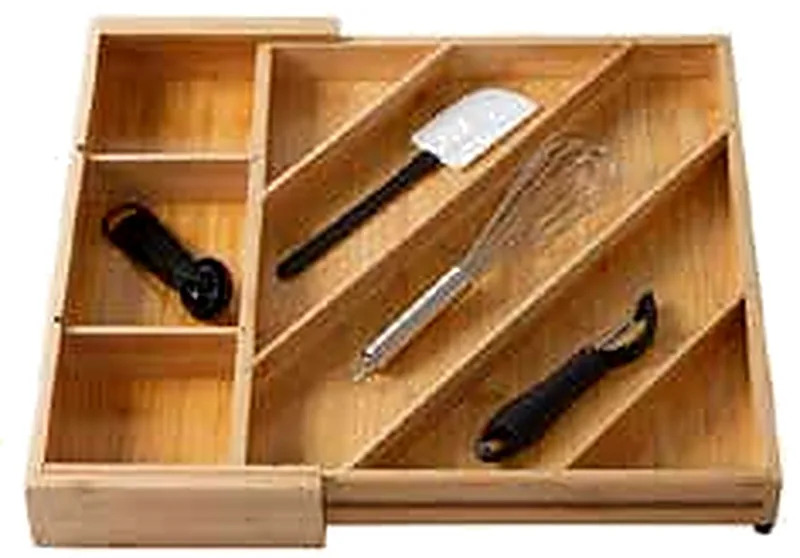
The other trays in the line raise a different mix of questions. The plain-slot version is in the fixed-slots tray guide, the tile-print version is in the tile-print lining tray guide and the line as a whole is in the drawer organisers compliance guide. You can also compare the Bamboo Drawer Organiser – Diagonal Slots (TVD-5782) and the diagonal-slots compliance notes.
Ordering
Every order is quoted in writing with price for the quantity, specification, certification status and documents, packing, lead time and delivered cost. Payment is a 30% deposit and 70% before release. See how ordering works and the sales tax guide, browse the product line, or send a quote request.