Certification guide ·
Bamboo Kitchen Utensils in Canada: Compliance and Import Rules for Five Sets
No electrical mark applies to bamboo utensils, but food-contact, lead and labelling rules do. This guide covers TVD-5775 to TVD-5779 and the documents to request.
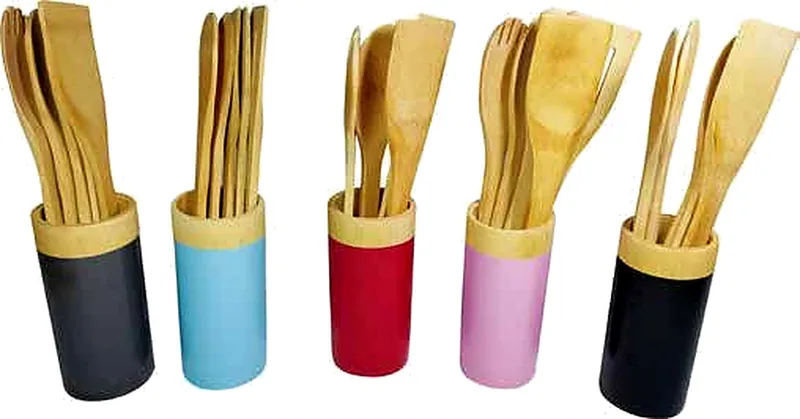
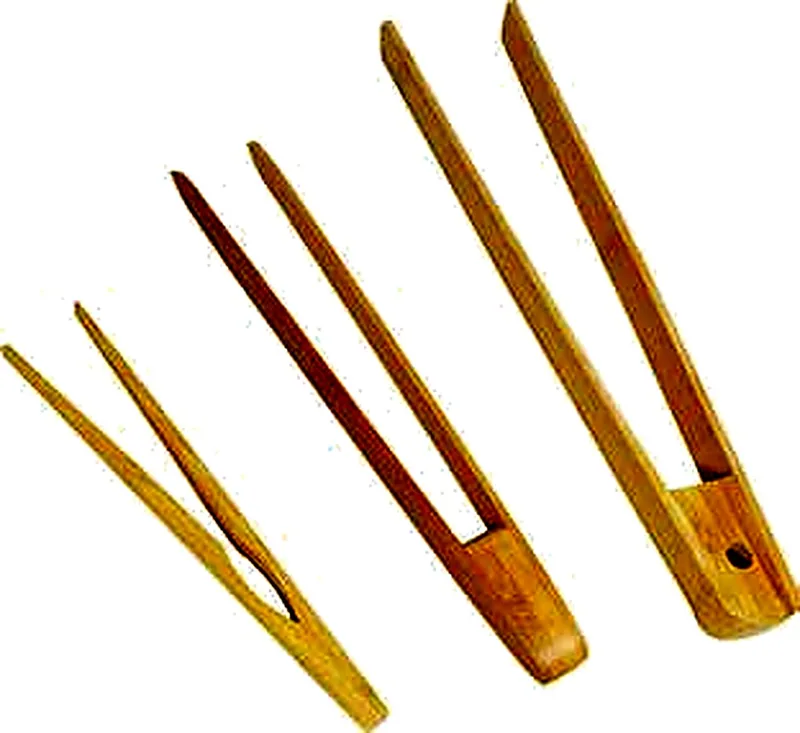
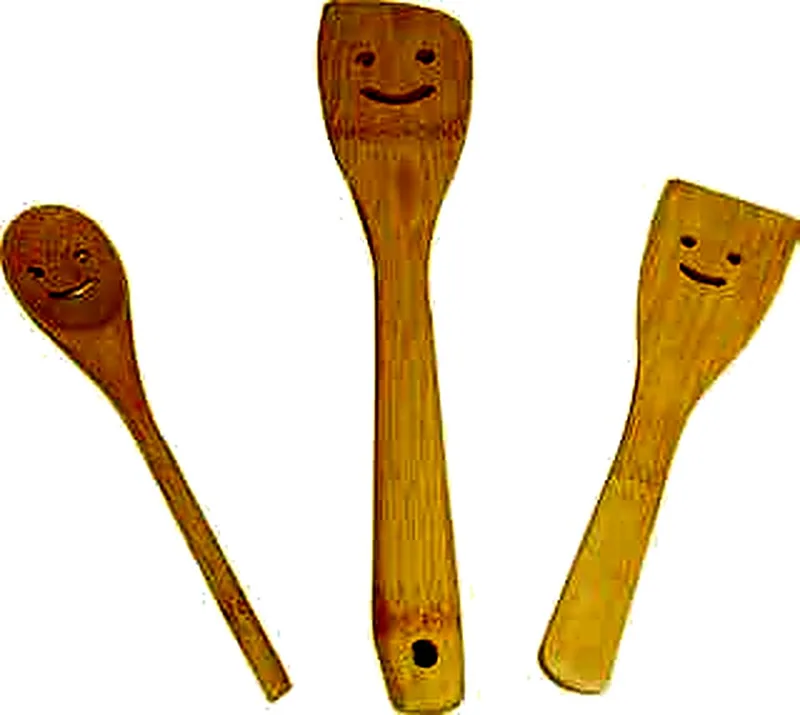
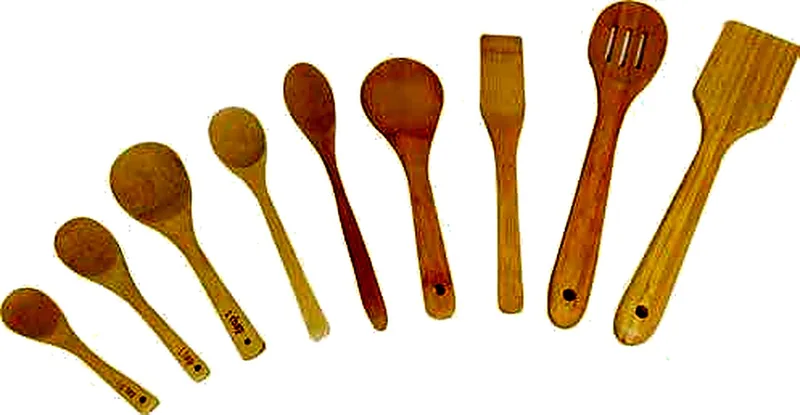
Bamboo spoons, turners, tongs and holder sets look simple, but they touch food, and a Canadian retailer, café or distributor will ask for paperwork before listing them. This guide covers all five products in our Bamboo Kitchen Utensils product line: the Bamboo Utensil Set with Holder (TVD-5775), the Bamboo Tongs – Set (TVD-5776), the Smiley Bamboo Utensils (TVD-5777), the Bamboo Spoon & Utensil Assortment (TVD-5778) and the Bamboo Spatula Turner Set (TVD-5779). We do not hold a certification document for any of them at present. Instead, this page sets out what Canadian buyers need, so you can ask for it with your quote.
No electrical or gas mark applies, but food rules do
None of these items is powered, so the CSA, cUL and cETL electrical marks that apply to plugged-in goods are not the issue here (see CSA, cUL and cETL marks if you also buy appliances). What matters is food contact. The Food and Drugs Act prohibits selling food in or with materials that may make it harmful. Health Canada does not pre-approve kitchenware, so there is no federal certificate to point to. The practical question is whether the factory can show food-contact test evidence for the bamboo, for any finish and for any adhesive or colouring.
The Canada Consumer Product Safety Act also applies to consumer products: it prohibits products that are a danger to health or safety, requires incident reporting and allows recalls. Health Canada enforces it. Separately, the Consumer Products Containing Lead Regulations set lead limits that include kitchen utensils and products for young children, which is why coloured holders and painted designs deserve a closer look.
What each product raises
| Product | Listed features | What to ask for |
|---|---|---|
| Bamboo Utensil Set with Holder (TVD-5775) | Bamboo spoons and turners; coloured holder in several colours | Holder material and colour method; lead report on the coloured part; food-contact report for the bamboo |
| Bamboo Tongs – Set (TVD-5776) | Bamboo serving tongs; several lengths; natural finish | Food-contact report for the bamboo and any joint or pivot; length list for the set |
| Smiley Bamboo Utensils (TVD-5777) | Smiley-face set; spoon and turners; natural finish | Whether the face is engraved or printed; lead report if printed; children's-product rules if marketed to children |
| Bamboo Spoon & Utensil Assortment (TVD-5778) | Graduated spoon sizes; spatulas and slotted turner; natural finish | Full piece list per assortment; finish and glue declaration |
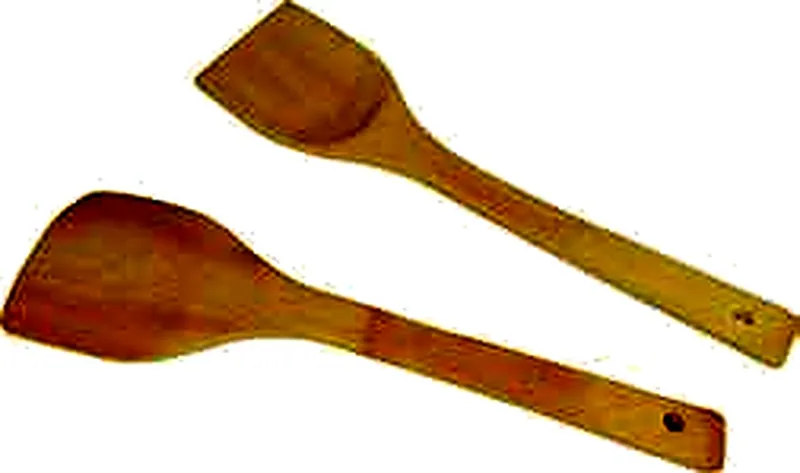
| Bamboo Spatula Turner Set (TVD-5779) | Flat turners; hang-up hole in handle; natural finish | Edge finish and surface treatment; heat-use advice for cooking |
Bamboo-specific points buyers ask about
- Finishes and glues. Bamboo and wood items should come with food-contact tests on any finish or glue. Ask whether the surface is raw, oiled or lacquered and request a test report for whichever it is.
- Melamine-bamboo blends. If a bamboo item is a blend with melamine, it is not for microwave use. Ask the factory to confirm the material composition of every item and print the care advice on your pack.
- Colour and print. Coloured holders and printed faces should be covered by a lead report. A smiley-face design that is printed rather than carved is a different question from one that is engraved.
- Children. If you market the smiley set for children, the lead rules for children's products apply and the standard of proof a retail buyer asks for goes up.
Document checklist
| Document | Why you ask for it | Who issues it |
|---|---|---|
| Food-contact test report | Shows the bamboo, finish and glue were tested for migration; retail buyers ask for it | An independent test laboratory, supplied through the factory |
| Lead and heavy-metal test report | Supports the lead limits that include kitchen utensils, especially for coloured or printed parts | An independent test laboratory |
| Material declaration | Confirms bamboo only or a blend, and whether the surface is raw, oiled or lacquered | Factory, confirmed on our written quote |
| Care and use statement | Dishwasher, microwave and soaking advice for your pack and your staff | Factory |
| Bilingual pack artwork | Product identity, net quantity and dealer details in English and French | You or us, approved before print |
| Customs classification | Duty and tax depend on the tariff classification and origin | Our customs broker |
Labelling by province
The Consumer Packaging and Labelling Act requires prepackaged consumer products to carry bilingual product identity and net quantity, plus the dealer's name and place of business. In Quebec, the Charter of the French language also expects labels, instructions and warranty documents in French, with French at least as prominent. Bulk cartons going to a café or a foodservice buyer have lighter requirements than a retail-packed set, but a Quebec customer will still ask for French care instructions.
What happens if documents are missing
There is no inspector at a store door, but there are three practical consequences. A national or regional retailer may decline to list the item. A restaurant or café under a health unit may be asked to show that its utensils are suitable for food. And if a product is later found to be a danger, the CCPSA allows a recall, which is expensive for the importer. Asking early costs far less.
How we handle it
When you request a quote we confirm the material and finish for each item, request the available food-contact and lead reports from the factory, and tell you plainly what is and is not available before you commit. Our customs broker confirms classification before we state a delivered cost, and the sales tax by province guide explains how GST, HST, PST and QST apply by province. Rules change, so confirm requirements with the authority, your inspector or your customs broker; this is general information and not legal advice.
Ordering follows the usual path: a written quote, samples on most items, a low trial minimum on many lines, a 30% deposit and 70% before release, and delivery to your site, store or warehouse. See how ordering works or go straight to request a quote. For the wider selection, see the home kitchen and tableware wholesale guide.