Certification guide ·
Woven Bamboo and Wood Serving Trays (TVD-5716 to TVD-5719 and TVD-5891): Canada Compliance and Import Guide
Five plain serving trays, none with a powered part, and no certificate on file for any of them. Here is what Canadian buyers should request and why electrical marks are not the issue.
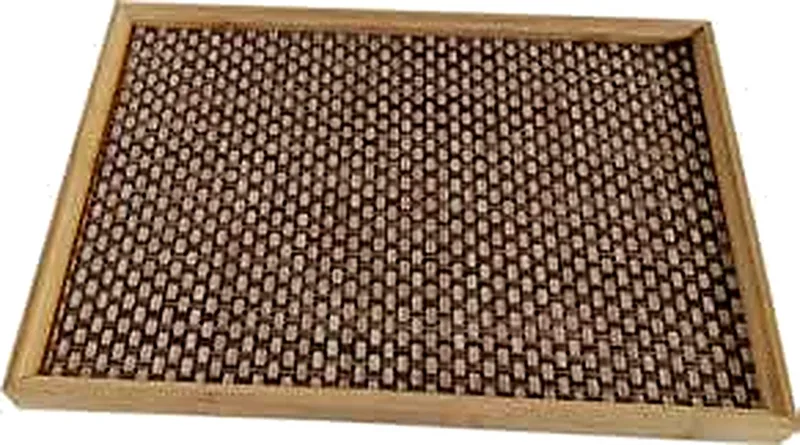
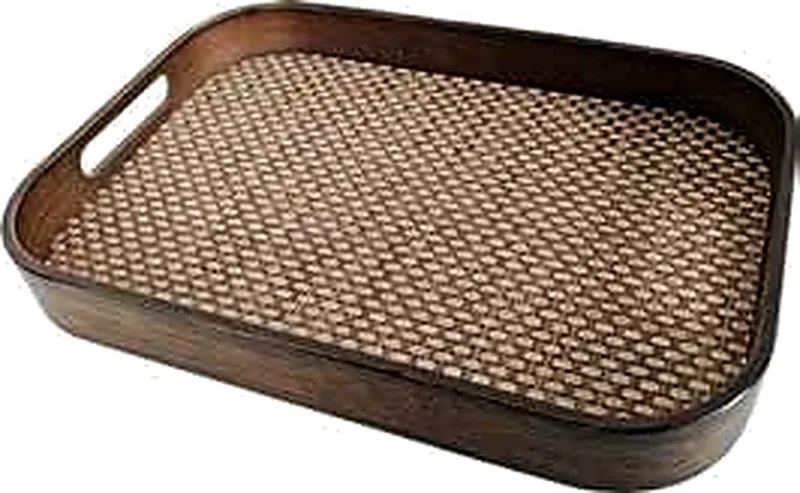
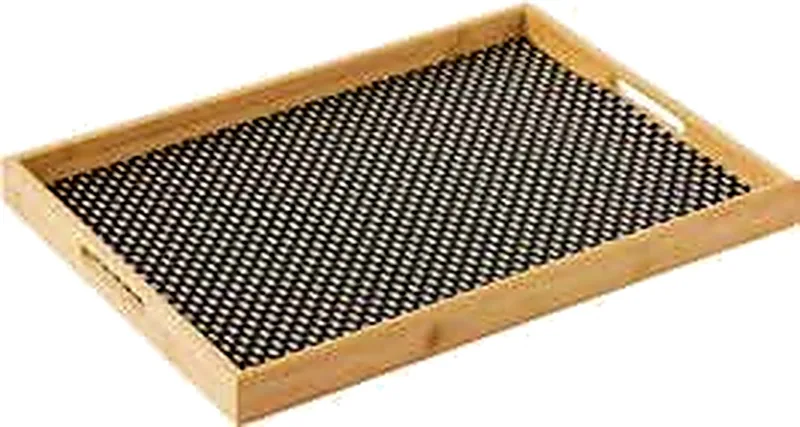
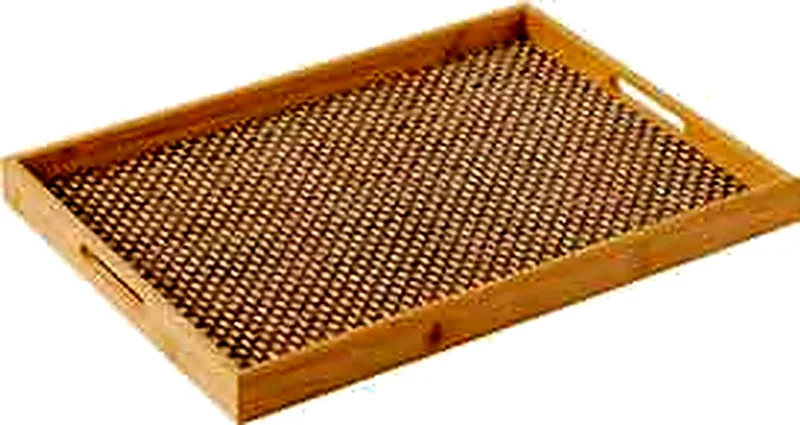
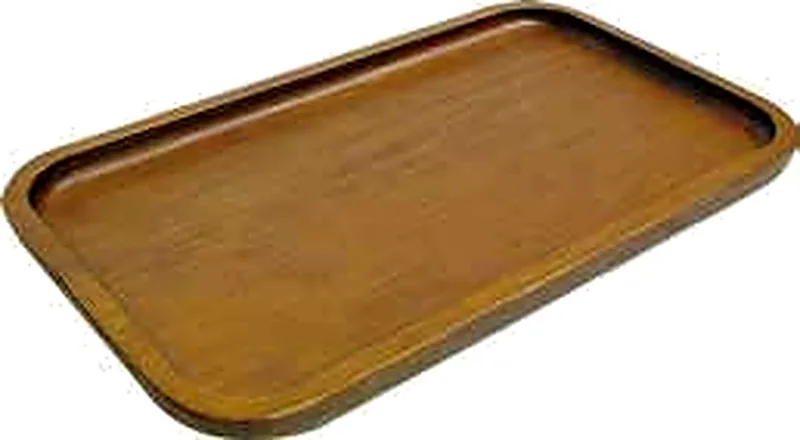
Woven-base bamboo trays and flat wood trays look like the simplest products in a tableware range, and for compliance they are, as long as you ask the right questions. This guide covers five trays: Bamboo Tray – Woven Insert (TVD-5716), Rattan-Weave Tray – Dark Frame (TVD-5717), Bamboo Tray – Black Weave Insert (TVD-5718), Bamboo Tray – Weave Insert, Handles (TVD-5719) and Wood Serving Tray – Rolled Edge (TVD-5891). All five are plain serving items whose listed features describe woven panels, bamboo or wood frames, handles and finishes. None lists a powered part, and we hold no certificate or test report for any of them today, so we do not call any of them certified. What follows is a practical guide to what Canadian buyers need for this kind of tray, how the five differ, and how we confirm documents on a quote.
The short answer on electrical rules
Electrical certification matters for products that plug in, hard-wire or contain a powered component. Those products must carry a mark from a certification body accredited by the Standards Council of Canada, such as CSA, cUL or cETL, or a field evaluation label, and provincial electrical safety authorities enforce it. A US-only UL or ETL mark is not enough. Nothing in the listed features of these five trays is powered, so there is no electrical mark to look for. If a version of any tray you order added a heater, light or battery pack, that would change the answer, and we would flag it on your quote. Our explainer on CSA, cUL and cETL marks covers the marks if your project ever goes that way.
What does apply: food contact, finishes and labelling
- Food contact. The Food and Drugs Act prohibits selling food in or with materials that may make it harmful. Health Canada does not pre-approve kitchenware, so buyers ask factories for food-contact test reports for finishes and glues, commonly to FDA or EU methods.
- Bamboo and wood. For boards and trays made of bamboo or wood, ask for food-contact tests on the finish, lacquer or oil and on any glue. Bamboo blended with melamine is not for microwave use.
- Coatings. Dark or black coloured surfaces and gloss finishes are coatings. If a supplier states a lead test result, ask for the report.
- Consumer product safety. The Canada Consumer Product Safety Act prohibits products that are a danger to health or safety and requires incident reporting. Splinters, loose handles and sharp cut-out edges are the practical hazards for trays like these.
- Labelling. Prepackaged consumer goods need bilingual English and French product identity and net quantity plus the dealer's name and place of business.
The five trays side by side
| Tray | Listed features | Compliance points that stand out |
|---|---|---|
| TVD-5716 | Woven base panel, natural bamboo frame, rectangular serving size | Base material and adhesive; finish on the frame |
| TVD-5717 | Woven base panel, dark bamboo frame, cut-out handles | Dark frame finish; handle edges |
| TVD-5718 | Black woven base, natural bamboo frame, cut-out handles | How the black colour is applied; handle edges |
| TVD-5719 | Woven base panel, natural bamboo frame, cut-out handles | Base material; handle edges |
| TVD-5891 | Warm wood finish, slim rolled edge, flat serving tray | The wood finish; what the surface is coated with |
The rattan-weave tray has a darker frame, so the finish on it needs its own question. The wood tray lists no woven panel, so the base adhesive question may not arise, but the warm wood finish still needs a food-contact statement if the tray will carry unwrapped food. Read the buyer guides for the buyer guide for TVD-5717 and the buyer guide for TVD-5891 for who buys each. The three woven natural-frame trays are compared in our guide to the woven insert trays.
Document checklist
| Document | Why you need it | Who issues it |
|---|---|---|
| Food-contact migration report for frame and finish | Evidence that surfaces touching food were tested | An independent laboratory, through the factory |
| Adhesive or glue description for woven panels | Identifies what bonds the panel and what could contact food | The factory |
| Colour and coating statement for dark and black parts | Supports a request for a lead test where a coloured coating is present | The factory; report from a laboratory |
| Care and use instructions | Warns against soaking and machine washing; French version for Quebec | The factory, translated as needed |
| Retail label artwork | Bilingual identity and net quantity, with dealer details | You and us, before print |
| Packing list and carton details | Used for customs and receiving | The factory, through us |
CE marks and foreign statements
Canada does not recognise the CE mark as proof of compliance for consumer products. A CE statement or a European food-contact declaration is helpful background, but Canadian buyers should still see test evidence that matches what the tray is made of and how it will be used.
Provincial differences
Food-contact and consumer product safety rules are federal and apply nationwide. The provincial layer is mostly practical. Quebec's Charter of the French language requires labels, instructions and warranty documents to be available in French, with French at least as prominent as English, and Quebec retailers will ask. Public health units set expectations for restaurants and cafés in their own areas, and landlords or franchisors may add their own standards. A serving tray is not typically the focus of an inspection, but if you use trays in a licensed food premises, ask your health unit what it wants to see.
What happens if a document is missing
A retailer's buying team may hold up listing; a restaurant group may refuse goods at approval; a hotel may ask for replacements. If a product is later found unsafe, a recall can follow and the dealer carries the cost. None of this is common with a plain tray, but all of it is avoidable with one email at the quote stage.
How we handle it
When you request a quote, we state the certification and documentation position for each tray plainly, and supply what exists before you order. If a food-contact report is not on hand for the exact tray, we say so and discuss testing on your order. Our customs broker confirms tariff classification before we quote the delivered cost, and the GST, HST, PST or QST that applies follows the province of delivery; the sales tax by province guide explains how. Samples are available on most items and the cost is usually credited to the first order. Payment is a 30% deposit and 70% before release. See how ordering works for the steps.
Rules change, and this is general information, not legal advice. Confirm current requirements with Health Canada, your health inspector or your customs broker. For a broader look at the bamboo tray range without the woven and wood focus, read the bamboo tray compliance guide for the whole line, and see the bamboo serving trays page for the full range.