Product guide ·
Black Nylon Whisk (TVD-2876) and Black Nylon Slotted Spoon (TVD-10720): Carded Wholesale Guide
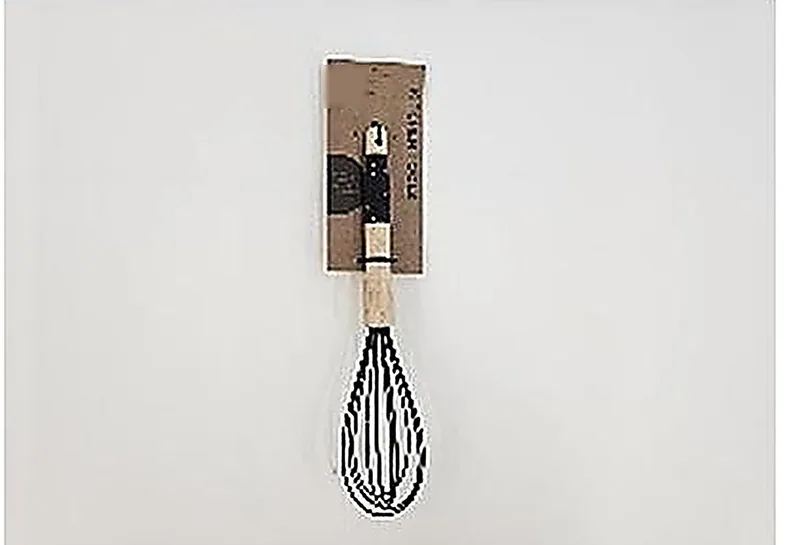
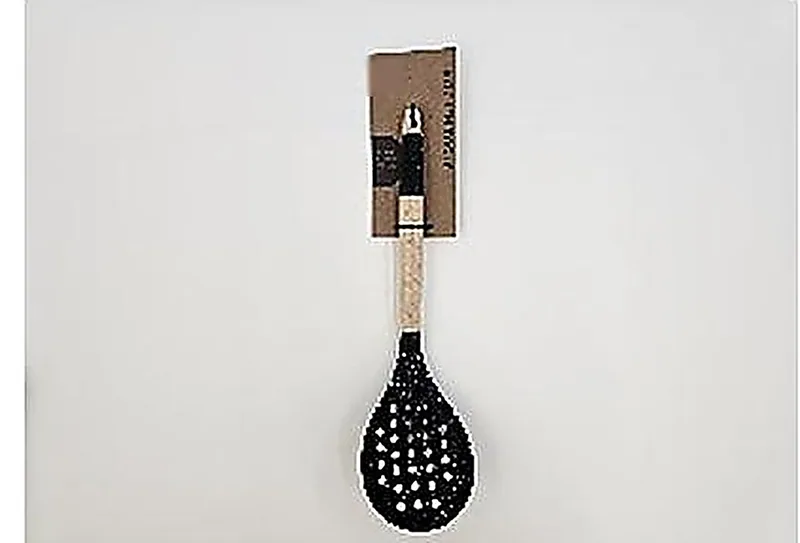
A carded black nylon whisk and a carded black nylon slotted spoon, both with wood handles, make a compact pair for hook walls and online listings. Here is how they differ and when to buy them together.
A pair that shares one description
The Black Nylon Whisk (TVD-2876) and the Black Nylon Slotted Spoon (TVD-10720) share one product description: carded, black nylon, wood handle, with several styles available. They differ by name and by job. A whisk blends and aerates; a slotted spoon lifts and drains. Everything else in the description is the same, so a buyer who likes the feel of one will like the other. Both belong to our kitchen utensils line. Lengths, the number of whisk wires, the shape of the slots and the nylon grade are confirmed on your written quote.
Why the card matters
The word carded is the feature most worth planning around. A card means the utensil hangs from a peg, carries printed artwork and a barcode, and ships as a single retail unit. For a small shop, that means no extra bagging. For an online seller, it means a flat, light parcel. For a discount or variety chain, it means a peg-ready item that sells without a salesperson. Ask on the quote for the card size, the hole position, whether the card is printed in English only or bilingual, and how many cards come in a carton.
If you sell prepackaged consumer products in Canada, the Consumer Packaging and Labelling Act requires bilingual English and French product identity and net quantity, plus the dealer's name and place of business. In Quebec, labels, instructions and warranty documents must be available in French, with French at least as prominent. A carded product is where you hit these rules first, because the card is the label.
Whisk or slotted spoon: how to choose
| Question | Black Nylon Whisk (TVD-2876) | Black Nylon Slotted Spoon (TVD-10720) |
|---|---|---|
| Main task | Eggs, batter, sauces, gravy | Lifting food from liquid, serving, draining |
| Cookware match | Non-stick pans and bowls | Non-stick pans and pots |
| Check on the quote | Wire count, wire diameter, head width | Slot pattern, bowl depth, length |
| Best buyer | Online sellers, small retailers, home bakers | Households, cafés that serve from a pan, discount chains |
Black nylon and wood: what to confirm
Nylon is chosen for tools that touch coated cookware, but every nylon head has a heat limit, and the limit comes from the factory. Our product listing does not state one, so we do not either; the stated heat resistance is confirmed on the quote, and you should not print a temperature on the card until a document backs it. The wood handle is the second point: ask what wood it is, how it is finished, and whether the factory advises hand washing. Wood and a dishwasher rarely agree.
The whisk adds a fixing question: how the wires are anchored in the handle. A whisk that loses wires into a batter is a safety and complaint risk, so ask for the factory's pull test if it has one and always order a sample first.
Food-contact paperwork
The Food and Drugs Act prohibits selling food in or with materials that may make it harmful, and Health Canada does not pre-approve kitchenware. Buyers commonly ask the factory for food-contact test reports for the nylon, for example FDA or EU migration tests. The Consumer Products Containing Lead Regulations include kitchen utensils, so ask for a lead result on the black colouring and the handle finish. No certification mark is on file for either product, so we do not describe them as certified. We confirm certification status and supply the documents with the quote before you order. The food-contact import rules for kitchen utensils covers the wider picture.
Who buys this pair
- Online sellers who need light, flat, easily packed items with a barcode already on the card.
- Small retailers who want a two-piece starter spread with room for other card items beside it.
- Discount and variety chains that sell singles from a peg and want one colour family on the rail.
- Households shopping those retailers, buying the whisk or the spoon separately or together.
Commercial kitchens are not the main target for a carded single piece, but a small café can use either as a back-up tool; if so, ask about durability under daily washing.
Combining with other nylon tools
Both items fit beside the other black nylon products in the line. The black nylon slotted turner group adds turners, a pasta server and a spatula in the same carded format, and the silicone baking utensil set group adds a boxed or set option. Ask whether artwork and card size match across them; a matching hook wall looks like a range rather than a collection of odds and ends.
Canadian use notes
Hand tools are not affected by cold in transit, but wood handles can dry and crack in heated Canadian interiors in winter, so ask about the finish. Freight from Asia lands at Vancouver or Prince Rupert about two to three weeks port to port and continues by rail and truck; Atlantic Canada is reached through Halifax or Saint John or by rail and truck from Montreal. Plan card orders ahead of any promotion.
How ordering works
Every order is quoted in writing with the price for the quantity, specifications, certification status and documents, packing, lead time and delivered cost to your address. Low trial minimums are available on many lines, samples on most items with the sample cost usually credited to the first order, and payment is 30% deposit with 70% before release. Products from several factories can share one consolidated container. Send a quote request, read how ordering works, check the sales tax by province guide, and plan with the landed cost calculator. The Canada delivery hub covers delivery across the country, and the kitchen utensils wholesale guide adds the wider view. Rules change; confirm requirements with the relevant authority, your inspector or your customs broker. This is not legal advice.