Certification guide ·
Kitchen Utensils in Canada: Food-Contact Rules, Documents and What to Ask For
What Canadian buyers should request for silicone, nylon, wood and steel kitchen utensils: test reports, lead limits, labelling and sanitation, with a document checklist.
Kitchen utensils look simple, but they touch food, and that is where Canadian import rules concentrate. This guide covers the food-contact side of our kitchen utensil range: silicone, nylon, wood and stainless steel tools, trivets, scoops, peelers and holiday baking sets. None has a certification mark on file. What follows explains what a Canadian buyer should request, which documents matter and how we handle them on the quote.
The products this guide covers
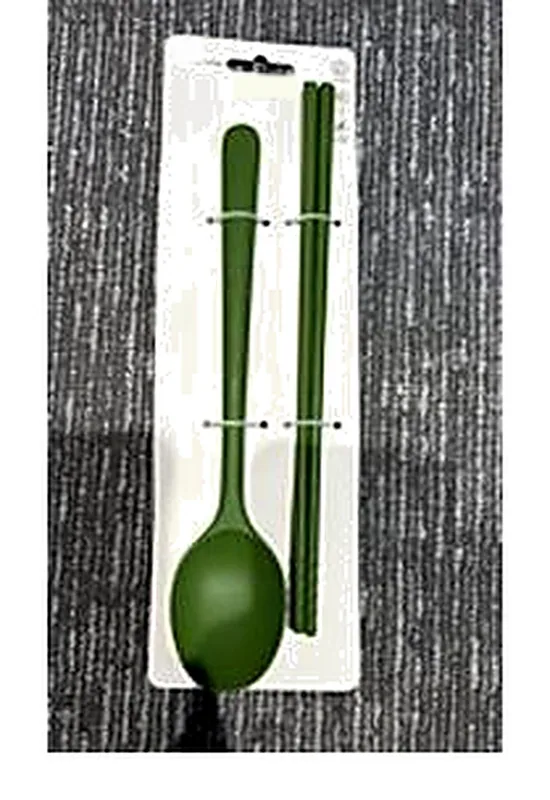
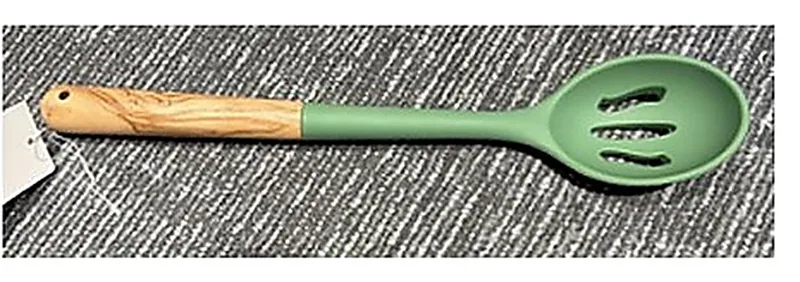
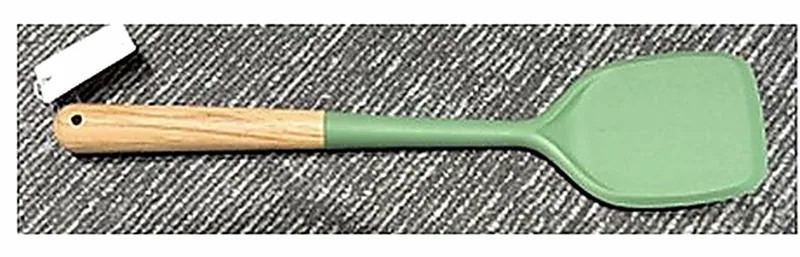
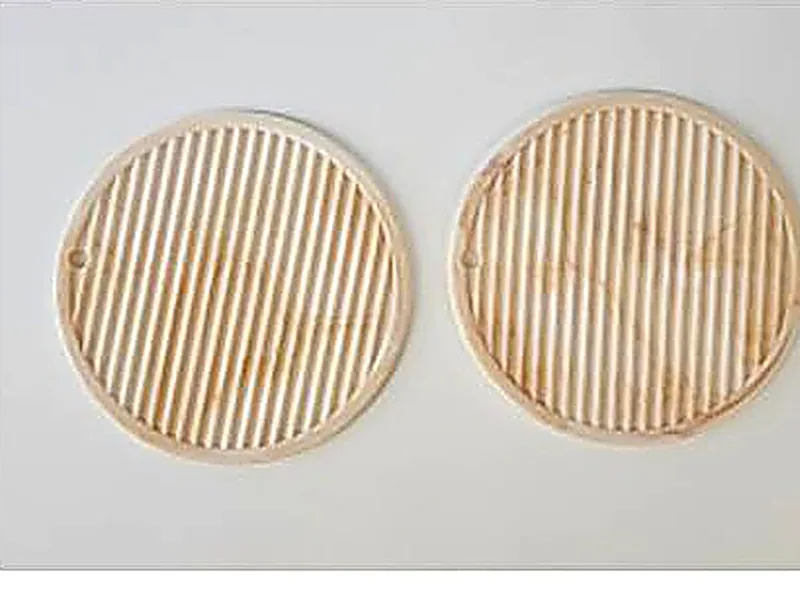
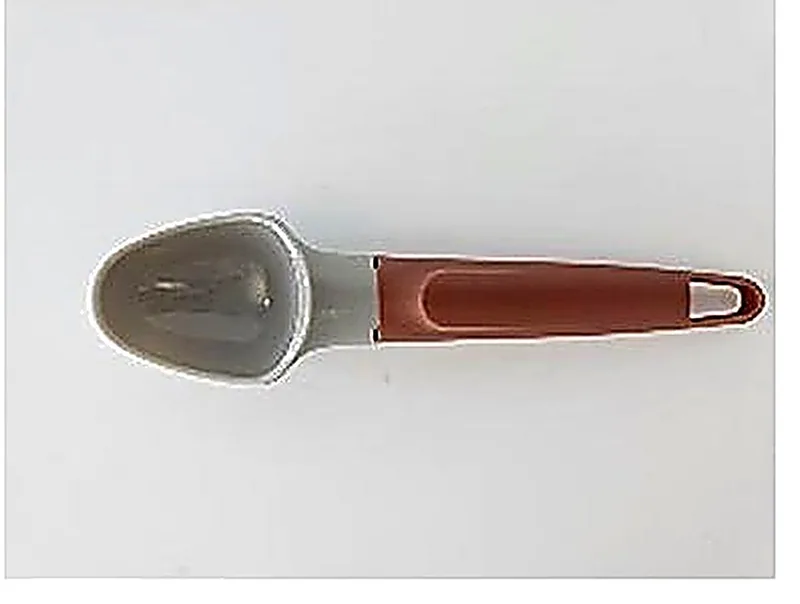
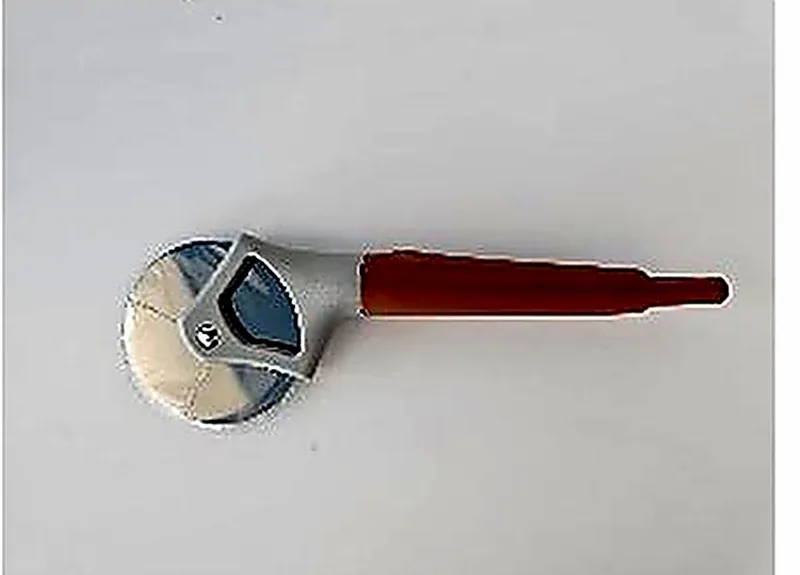
It applies across the kitchen utensils range. Examples include the Silicone Spoon & Fork Set (TVD-2800) with a green silicone head, the green wood-handled family from the Green Silicone Slotted Spoon (TVD-2868) to the Green Silicone Tongs (TVD-10704), the Round Silicone Trivets (TVD-2873) and terracotta silicone utensil sets in holders and hanging packs, the black nylon tools with wood handles from TVD-2875 to TVD-10725, the Ice Cream Scoop (TVD-2872) and other scoops and openers, the Pizza Cutter Wheel (TVD-2871) and soft-grip peelers, and the Christmas baking sets TVD-2880, TVD-2881 and TVD-2882. No product in this list has a certification mark on file. For each, we confirm certification status and supply the documents with the quote before you order.
What Canadian rules require
Food and Drugs Act. Selling food in or with materials that may make it harmful is prohibited. For a utensil that means the plastic, silicone, nylon, wood, metal or coating that touches food must be safe for that use.
No pre-approval of kitchenware. Health Canada does not pre-approve kitchenware. It offers voluntary Letters of No Objection for food packaging materials, not for utensils. Buyers therefore ask the factory for food-contact test reports, such as FDA or EU food-contact migration tests.
Lead. The Consumer Products Containing Lead Regulations set lead limits that include kitchen utensils. If a handle or head is painted, printed or coated, ask for a lead test report.
Food premises. Provincial food premises regulations and local public health inspectors require food equipment to be durable, easy to clean and kept sanitary. Many inspectors, landlords and franchisors ask for NSF/ANSI or equivalent sanitation certification on commercial food equipment. A restaurant buyer should check what its health unit asks.
Consumer product safety. The Canada Consumer Product Safety Act prohibits consumer products that are a danger to human health or safety, requires incident reporting and allows recalls.
Labelling. Prepackaged consumer products need bilingual (English and French) product identity and net quantity plus the dealer's name and place of business under the Consumer Packaging and Labelling Act. In Quebec, labels, instructions and warranty documents must be available in French under the Charter of the French language, and retailers there will ask for it.
Material by material
| Material in the range | What to ask for | Watch-out |
|---|---|---|
| Silicone heads and trivets | Food-contact test report, stated heat resistance, silicone grade | Heat claims on the pack must match the quote |
| Black nylon heads | Food-contact test report, stated heat resistance | Do not assume any melting point; confirm it |
| Wood handles | Tests on finishes and glues, care instructions | Wood and repeated dishwashing do not suit each other; ask for care wording |
| Stainless steel tools | Steel grade and food-contact report | Grade differences affect corrosion and cleaning |
| Painted, printed or decorated parts | Lead and cadmium reports for coatings and prints | Decorations near the lip or food-contact surface are a known risk |
| Christmas and gift sets | Reports for each material in the box | A set can combine silicone, wood and metal, so one report is not enough |
Document checklist
| Document | Why you need it | Who issues it |
|---|---|---|
| Food-contact test report for each material | Shows the material that touches food is suitable | Factory or an accredited laboratory |
| Lead (and cadmium where relevant) report | Supports the lead limits that include kitchen utensils | Accredited laboratory |
| Statement of heat resistance and care | Backs any heat or washing claim on the pack | Factory, confirmed on our quote |
| Sanitation certification, where asked | Some inspectors and franchisors request NSF/ANSI or equivalent | Certification body, if the product has one |
| Bilingual label and French instructions | Packaging, instructions and Quebec warranty rules | You and us, agreed before printing |
| Commercial invoice and tariff classification | Duty depends on tariff classification and origin | Our customs broker confirms before we quote delivered cost |
Provincial differences
The federal food and product rules apply across Canada. The practical differences come from provincial food premises rules, local health units and language: Quebec requires French on labels, instructions and warranty documents. Ontario, British Columbia and other provinces have their own health authorities, and each can interpret the sanitation requirements in its own way. Check your health unit and your landlord's or franchisor's list before you buy for a commercial kitchen.
Heat and dishwasher claims
Heat resistance and dishwasher suitability are claims, not facts. Our product listing for the 2-piece Silicone Spoon & Fork Set mentions heat-resistant cutlery without a stated temperature. We ask the factory for the stated limit and confirm it on the quote. Use no stronger wording on your pack than that.
What happens if documents are missing
A retailer can refuse to list a product without test reports, a franchisor can reject it for a kitchen, an inspector can question equipment that is not durable or easy to clean, and an incident or recall can follow if a material is found harmful. Missing French on the pack can block a Quebec listing. That is why we confirm documents before you order, not after.
How we handle it
We ask the factory for the reports above for each product, confirm what is available for the Canadian market and list it on your written quote. If a mark or report is not available, we tell you before you pay a deposit. A customs broker confirms the tariff classification before we quote delivered cost. See the individual guides for the green silicone tools, the terracotta silicone sets, the black nylon whisk range and the silicone baking utensil set. Rules change, so confirm with the authority, your inspector or your customs broker. This is not legal advice.
Ordering
Orders are quoted in writing with price for the quantity, specification, certification status and documents, packing, lead time and delivered cost. Samples are available on most items and are usually credited to the first order; payment is 30% deposit and 70% before release. See how ordering works, sales tax by province and then request a quote.