Certification guide ·
Kitchen Utensils Wholesale Certification in Canada: Graters, Presses, Mallets and Oven Mitts
Hand graters, garlic presses and oven mitts look simple, but a retailer still needs the right paperwork before they reach a shelf. Here is what to ask for, in the order a buyer actually meets it.
Why this group of kitchen tools needs a document plan
The hand tools in our kitchen utensils line are sold as single pieces to retailers and to discount and variety chains. Most of them have no motor and no plug, so the electrical certification questions that dominate other housewares do not apply to a manual grater. What does apply is a smaller set of questions about food contact, lead, labelling and sharp edges. This guide walks through the eight products below and the documents we ask the factory for before we quote a delivered price.
One honest note up front: no certification mark is on file for any of these items. We do not describe them as certified, approved or compliant. For each order we confirm certification status and supply the documents with the quote before you order.
The eight products and what each one raises
| Product | What to look at first |
|---|---|
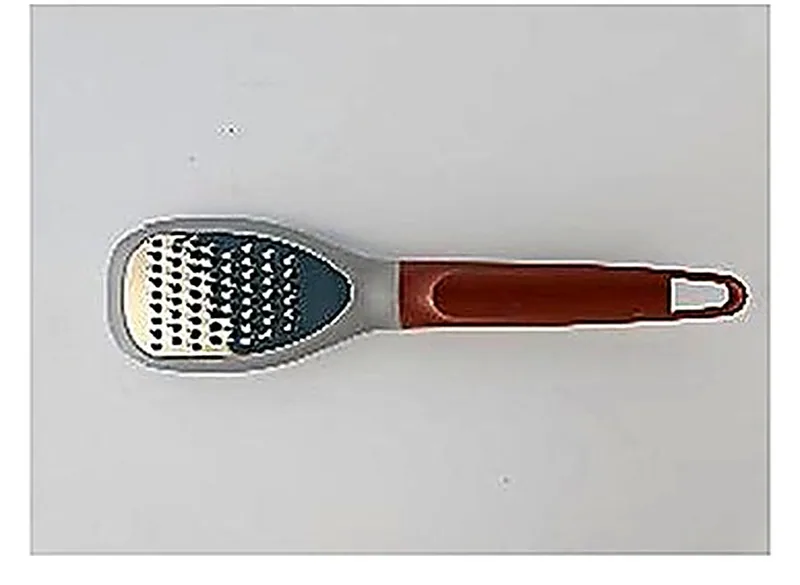
| Hand Grater with Handle (TVD-2870) | Cutting edges on the grater plate, handle plastic, how the plate is held in the handle |
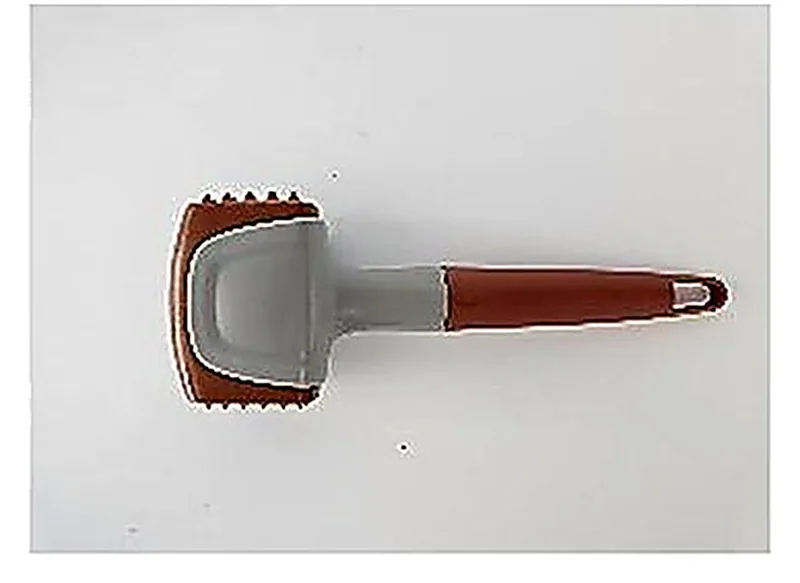
| Meat Tenderiser Mallet (TVD-10705) | Striking face material, handle strength, packing that protects the face in transit |
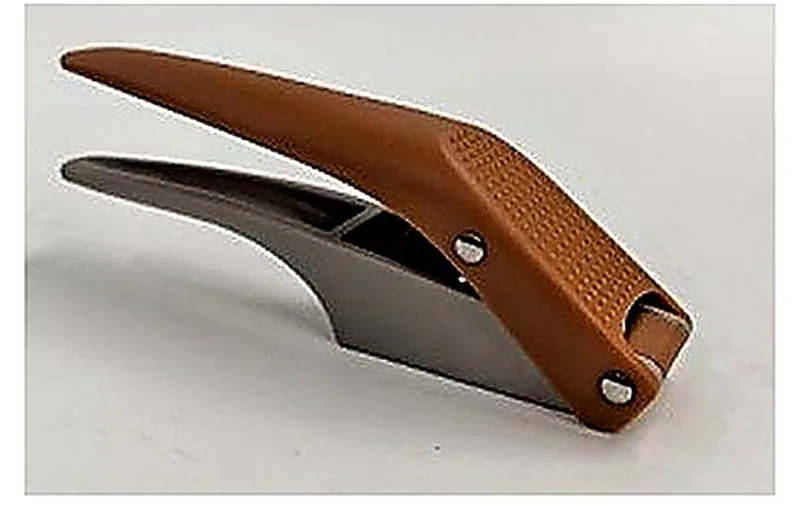
| Garlic Press, Terracotta Handle (TVD-10706) | Metal grade of the pressing parts, hinge strength, handle colour finish |
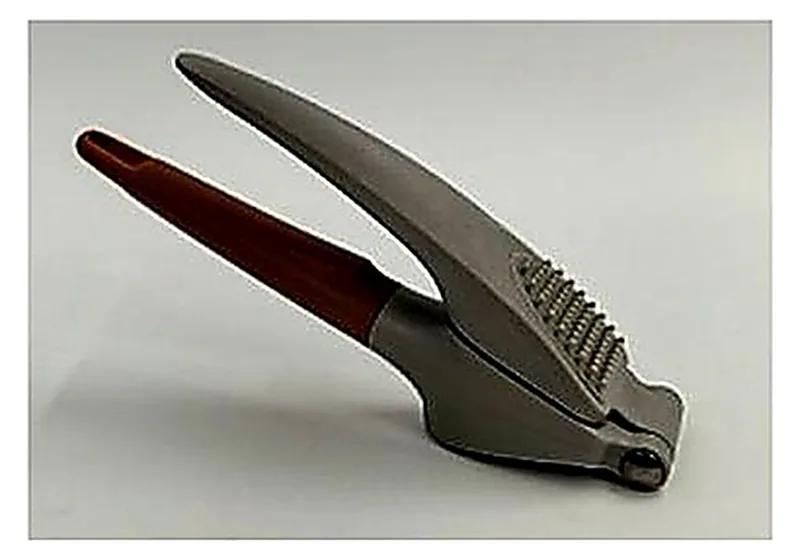
| Garlic Press, Grey (TVD-10707) | The same press questions, plus colour consistency between production batches |
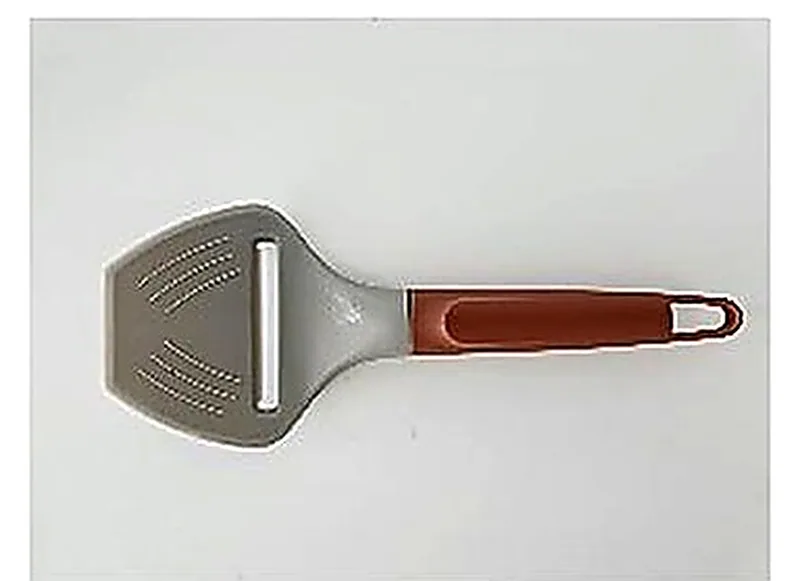
| Cheese Slicer (TVD-10708) | Slicing wire or blade, edge exposure on the shelf, wording on the pack |
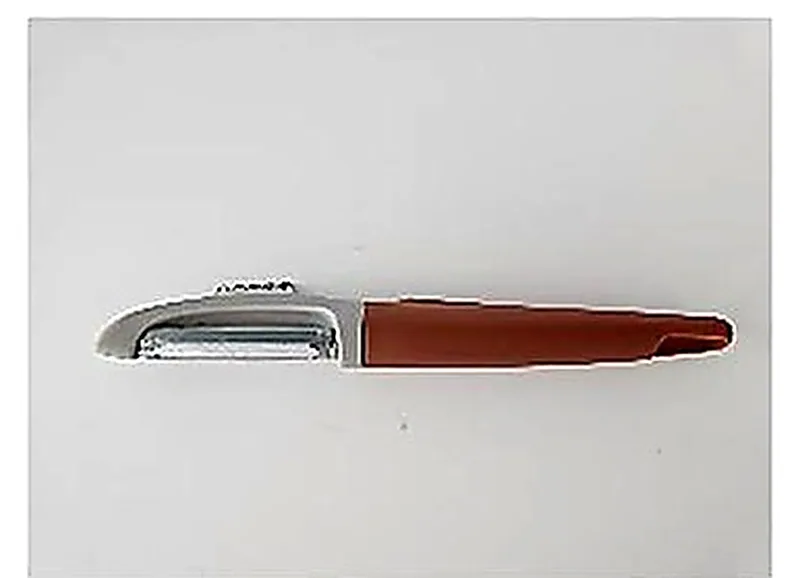
| Vegetable Peeler (TVD-10709) | Blade edge, guard or sleeve in the retail pack, handle plastic |
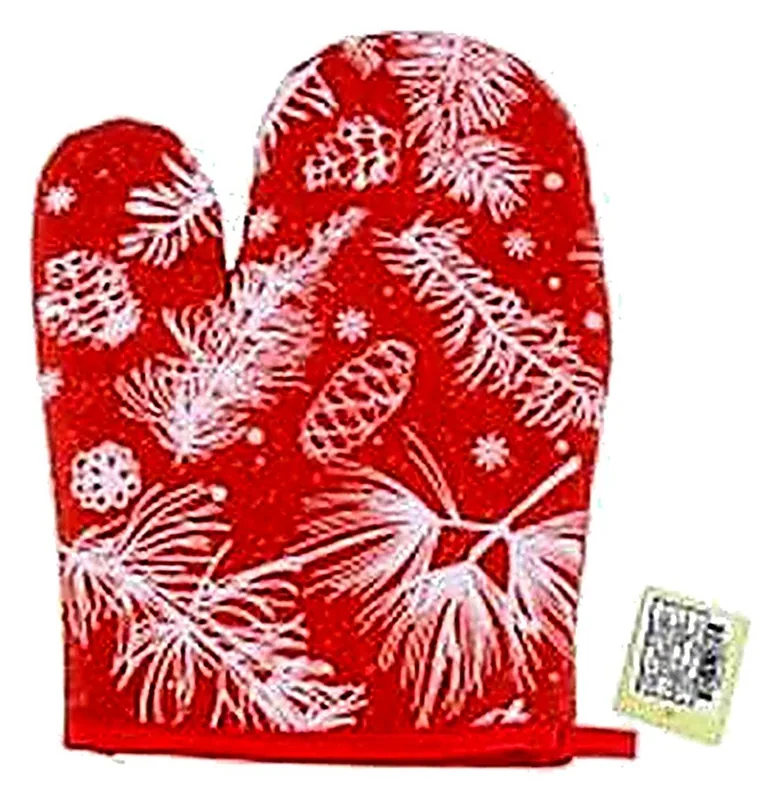
| Red Snowflake Oven Mitt (TVD-2947) | Fabric content, insulation fill, stated heat limit, seasonal print |
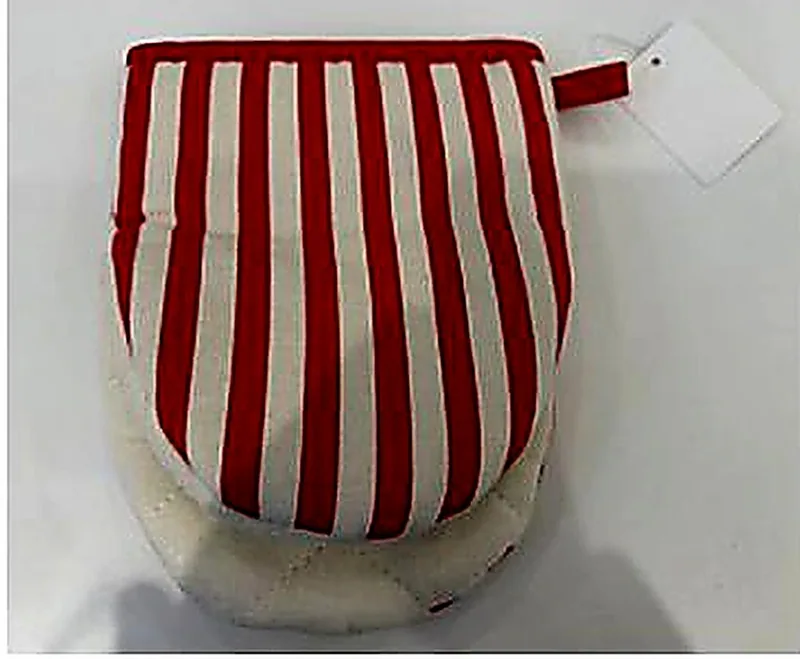
| Red Striped Oven Mitt (TVD-10726) | The same textile questions, plus stitching on the striped print |
The six hand tools share one product description: terracotta and grey handles, a range of grater, slicer, press and whisk shapes, and a length between 19 and 29 cm. The two mitts share a second description: floral and striped prints on insulated mitts, with several styles available. The exact length of each individual tool and the exact print of each mitt are confirmed on your written quote.
Food-contact rules that apply to graters, presses and slicers
The Food and Drugs Act prohibits selling food in or with materials that may make it harmful. Health Canada does not pre-approve kitchenware, so there is no approval stamp to look for on a grater. Instead, buyers commonly ask the factory for food-contact test reports, for example FDA or EU food-contact migration tests, covering the plastics and metals that touch food. Ask for the reports that match the material of each product: a plastic grater handle and a metal pressing plate need different documents.
Lead is the second food-contact topic. The Consumer Products Containing Lead Regulations set lead limits that include kitchen utensils. Coloured handle finishes, such as the terracotta and grey shades on this group, are a reasonable thing to raise with the factory, since pigments and coatings are where lead questions usually arise.
Sharp edges, mallets and the general safety law
The Canada Consumer Product Safety Act applies to consumer products. It prohibits products that are a danger to human health or safety, requires incident reporting and allows recalls, and Health Canada enforces it. Nothing in it is specific to graters, but every cutting tool in this group has an exposed edge, and a retailer who stocks them carries that general duty.
Practical steps:
- Ask how each edge is protected in the retail pack, for example a sleeve, a card guard or a box.
- Ask how the grater plate or slicer blade is fixed to its handle, and whether the factory can share handle pull-test results.
- For the mallet, ask what the striking face is made of and how the head is joined to the handle.
Oven mitts, textiles and heat statements
An insulated mitt is a heat-protection product, so any heat statement printed on the pack must be backed by something the factory can show. Our product listing for these mitts names prints and styles but gives no heat limit, so we do not quote one here. The heat limit, the fabric content and the fill are confirmed on your written quote. The Textile Labelling Act covers consumer textile articles with fibre-content and dealer identity labelling; whether a given mitt falls within it is confirmed with the quote, and you should check with the authority or your customs broker before printing packaging.
For the merchandising side, the red snowflake oven mitt wholesale guide covers the festive print, and the meat tenderiser mallet wholesale guide covers the terracotta and grey hand-tool group in more detail.
When electrical rules do apply
None of the listed features for these eight products shows a powered, battery or plug-in part. If a version you order has a motor, a battery or a mains plug, then electrical products sold or installed in Canada must carry a mark from a certification body accredited by the Standards Council of Canada, such as CSA, cUL or cETL, or a field evaluation label. A US-only mark is not enough, and the European CE mark is not accepted in Canada as proof of compliance. Our guide to CSA, cUL and cETL marks explains what the small c means. For the food-only view of this product line, read the food-contact import rules for kitchen utensils.
Document checklist for a retailer order
| Document | Why you want it | Who issues it |
|---|---|---|
| Food-contact test report for each material | Shows the factory tested the plastic or metal that touches food | Test laboratory, via the factory |
| Lead result for coloured handles | Supports the lead limits that include kitchen utensils | Test laboratory, via the factory |
| Fibre content and fill details for mitts | Needed to prepare textile labelling and any heat statement | Factory |
| Bilingual pack artwork | Prepackaged consumer products need English and French product identity and net quantity, plus the dealer name and place of business | You or us, proofed before print |
| Carton and pack specification | Protects edges and decides shelf-ready or bulk | Factory, confirmed on the quote |
| Tariff classification | Duty depends on the HS code and origin | Our customs broker |
Quebec, provinces and what happens when a document is missing
For Quebec shelves, the Charter of the French language requires product labels, instructions and warranty documents to be available in French, with French at least as prominent. Quebec retail buyers ask for this before they list an item. A food premises buying a grater or a press may be asked by a public health inspector whether the equipment is durable, easy to clean and kept sanitary, and some franchisors ask for NSF/ANSI or equivalent sanitation certification on commercial food equipment. No mark of that kind is on file for these items, so a commercial kitchen with that requirement should say so on the quote request.
How we handle it, and how to order
Every order is quoted in writing with the price for the quantity, specifications, certification status and documents, packing, lead time and delivered cost to your address. Send a quote request naming the codes above; low trial minimums are available on many lines and samples on most items, with the sample cost usually credited to the first order. Payment is 30% deposit and 70% before release. Products from several factories can share one consolidated container, which suits a buyer mixing mitts, presses and graters. Read how ordering works for the steps, the sales tax by province guide for GST, HST, PST and QST by province, and the landed cost calculator for a planning view. Delivery covers the whole country, starting from the Canada delivery hub, and the kitchen utensils wholesale guide adds the buyer's side. Rules change, so confirm requirements with the relevant authority, your inspector or your customs broker; this is not legal advice.