Certification guide ·
Blast Chiller Certification in Canada: Documents Inspectors Ask For
A blast chiller must satisfy electrical safety and food premises expectations in Canada. Here is what to ask for, what is on file for the TVD-2123, and how voltage can derail an order.
Why a blast chiller needs a paper trail in Canada
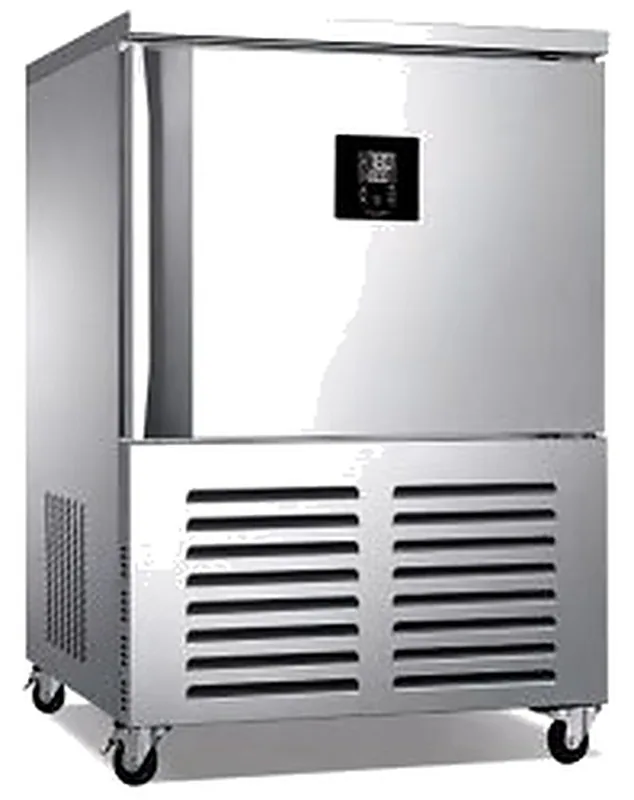
A blast chiller is a plugged-in, refrigerated piece of food equipment, so it meets two sets of Canadian expectations at once: electrical safety and food premises sanitation. The Blast Chiller & Freezer (TVD-2123) is offered in 3 to 40 tray capacities and goes down to -40 C, with small models rated 220 V / 50 Hz. That voltage detail is the first thing a Canadian buyer should look at. If you want the commercial side of the story first, read our wholesale buying guide for the same unit; this page is about the documents.
Is a certification mark on file?
No certification mark is on file for the TVD-2123 today. We therefore make no certification claim for it. Before you order, we confirm certification status and supply the documents with the quote. If a Canadian mark cannot be shown, the realistic route is a field evaluation by an accredited body, which we would discuss with you up front.
Which Canadian rules apply to this product
Electrical. Electrical products sold or installed in Canada must carry a certification mark from a body accredited by the Standards Council of Canada, such as CSA, cUL or cETL (the small c means Canada), or a field evaluation label from an accredited body. A US-only mark, meaning UL or ETL without the c, is not enough. Provincial and territorial electrical safety authorities enforce this, for example the Electrical Safety Authority in Ontario, and inspectors can refuse equipment lacking a Canadian mark while insurers may ask questions. Commercial refrigeration is assessed against the Canadian standard for refrigeration equipment. Our explainer on CSA, cUL and cETL marks shows how to read each one.
Sanitation. Provincial food premises rules and local public health inspectors expect food equipment to be durable, easy to clean and kept sanitary. Many inspectors, landlords and franchisors ask for NSF/ANSI or equivalent sanitation certification on commercial food equipment, with NSF/ANSI 7 being the one usually named for refrigeration. Ask your health unit and landlord what they require before you buy.
Energy rules. Commercial refrigerators and some other commercial equipment can fall under Natural Resources Canada's Energy Efficiency Regulations. We check whether this product category is regulated rather than assume it is not.
The voltage and frequency trap
Canada supplies 120 V and 240 V single-phase, and 208 V or 600 V three-phase, all at 60 Hz. Equipment rated 220 V / 50 Hz, as the small models in this line are, must be confirmed as built for Canadian voltage and 60 Hz before ordering. Compressors, fan motors and timers can run hot or misbehave on the wrong frequency, and a certification mark only means something if the unit on the data plate is the unit that was assessed. Ask for the rating plate details in writing, not just a brochure figure.
Document checklist
| Document | Why you need it | Who issues it |
|---|---|---|
| Canadian electrical certification mark or evaluation report | Inspectors and insurers expect it on the data plate | A body accredited by the Standards Council of Canada |
| Field evaluation label (if no mark) | Allows a unit with no mark to be inspected on site | An accredited field evaluation body, arranged before install |
| Sanitation certification or test evidence | Health inspectors, landlords and franchisors may ask for it | A sanitation certification body, with the factory supplying the file |
| Rating plate details: volts, phase, hertz, amps, refrigerant | Electrician and refrigeration tech size the circuit and service | Factory data, confirmed on our written quote |
| Food-contact material information for interior surfaces | The Food and Drugs Act bars materials that may make food harmful | Factory test reports, requested by us on your behalf |
| Manual and labels in French (Quebec) | Quebec rules require French-language manuals and labels | Factory, requested before shipment |
What happens when the paperwork is missing
The most common result is an inspector declining to sign off the install. A kitchen cannot open on schedule if its refrigeration is stuck at inspection, and replacing a delivered unit is far more costly than asking questions up front. Insurers may also question equipment lacking Canadian marks after a loss, and franchisors or landlords can refuse equipment that lacks the sanitation mark they require.
Provincial and language differences
Electrical enforcement differs by province, and so do local health unit practices. In Quebec the Charter of the French language means manuals, labels and warranty documents must be available in French, and Quebec retailers and institutions will ask. Our product pages and quotes are in English, with French support on request. For tax on the finished purchase, see the sales tax by province guide.
How we handle the paperwork on this order
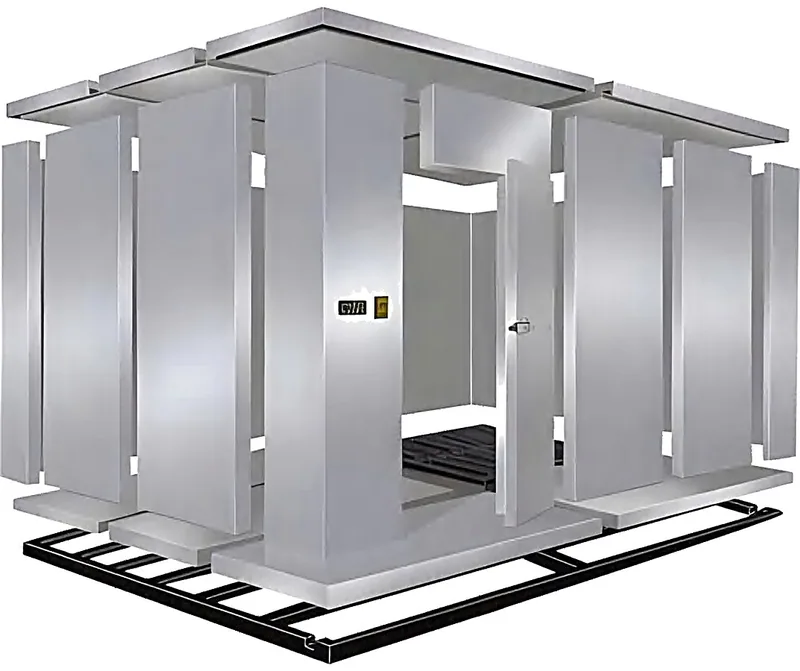
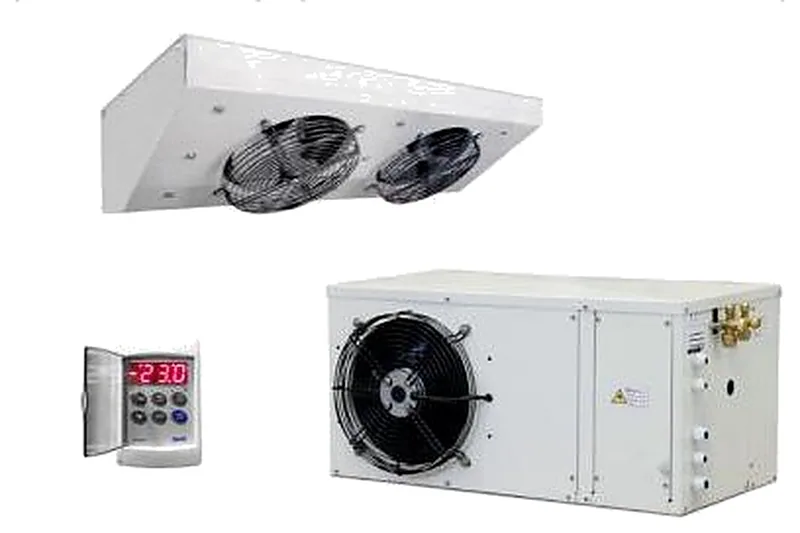
Every quote states certification status and lists the documents we will supply. If a mark is not on file, we say so plainly and set out options, including field evaluation, before any deposit is taken. Cold-room projects often combine this unit with Walk-In Cold Room Panels (TVD-2124) and the Cold Room Refrigeration Unit (TVD-2127), and each powered item needs its own documents. Payment is 30% deposit and 70% before release, so the paperwork is settled well before money leaves your account for the second time. See how ordering works, estimate costs with the landed cost calculator, or request a quote. Browse the cold rooms and blast chillers range or our Canada delivery hub. Rules change, so confirm requirements with the authority, your inspector or your customs broker; this is not legal advice.