Product guide ·
Blast Chiller Wholesale in Canada: How to Size the TVD-2123
The TVD-2123 chills and freezes cooked food fast, in capacities from 3 to 40 trays. Here is how to size it, what to check on voltage, and how a wholesale order works.
What a blast chiller does and who buys one
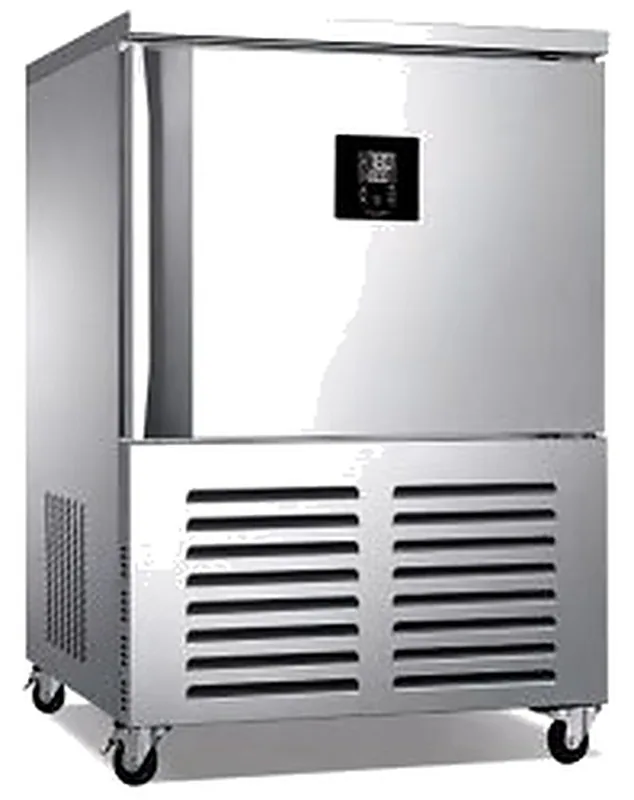
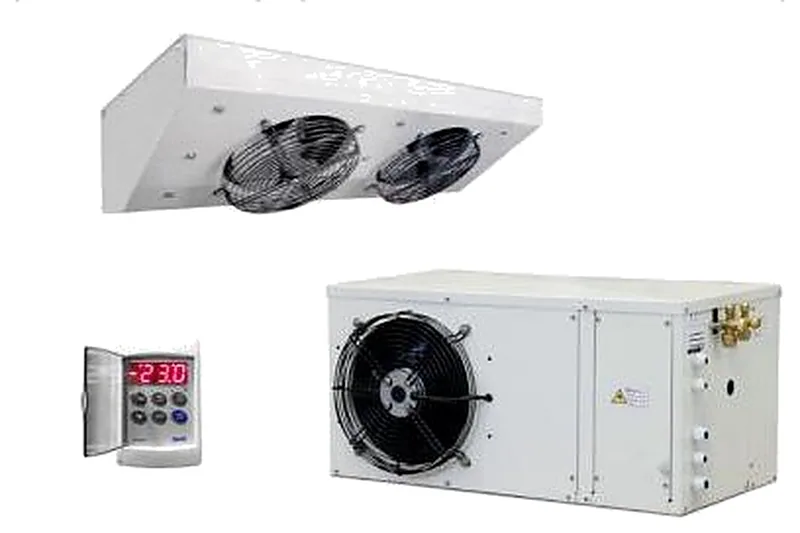
A blast chiller pulls heat out of cooked food quickly so it can move straight to storage instead of sitting in the temperature range where bacteria thrive. The Blast Chiller & Freezer (TVD-2123) also freezes, reaching down to -40 C. It comes in capacities from 3 to 40 trays, with small models at 220 V / 50 Hz. Typical buyers are restaurants, caterers and food processors who cook in batches, such as braises, sauces, rice and banquet food, and need to hold it safely for service later in the week.
Reading the specification
3 to 40 tray capacities. The range runs from a single-chef kitchen to a production unit. Size by the busiest day: how many trays do you cook, how deep is the food, and how quickly must the whole load be cold? A unit that is too small becomes the bottleneck of the whole kitchen. We confirm tray size, rack type and capacity on the written quote.
Down to -40 C. This temperature allows true blast freezing as well as chilling. If you only chill, you may not need the freezing function; if you freeze portions for retail or catering, you do. Ask us to confirm the temperature range and ambient rating for your kitchen conditions.
220 V / 50 Hz small models. These are the models to question hardest. Canadian supply is 120 V or 240 V single-phase and 208 V or 600 V three-phase at 60 Hz. A 220 V / 50 Hz unit must be confirmed as built for Canadian voltage and 60 Hz before you order, so tell us your service and we confirm what is available.
How to specify it: a buyer's checklist
- Cooking volume: trays per batch, batches per shift, and food depth.
- Function: chill only, or chill and freeze.
- Electrical: voltage, phase, frequency, amperage, and plug or hard-wire connection.
- Certification: electrical and sanitation marks, and whether a field evaluation is needed.
- Refrigerant type, temperature range and ambient rating.
- Stainless steel grade and thickness for interior and exterior.
- Overall and crated dimensions, weight, and any water and drain connections.
- Condensate handling and the space and airflow needed around the unit.
Blast chiller or a cold room?
A blast chiller is a rapid-cooling tool, not general storage. Most kitchens that buy one also need somewhere to hold the chilled food. That is where the rest of our cold rooms and blast chillers line comes in:
| Item | What it is | Use it when |
|---|---|---|
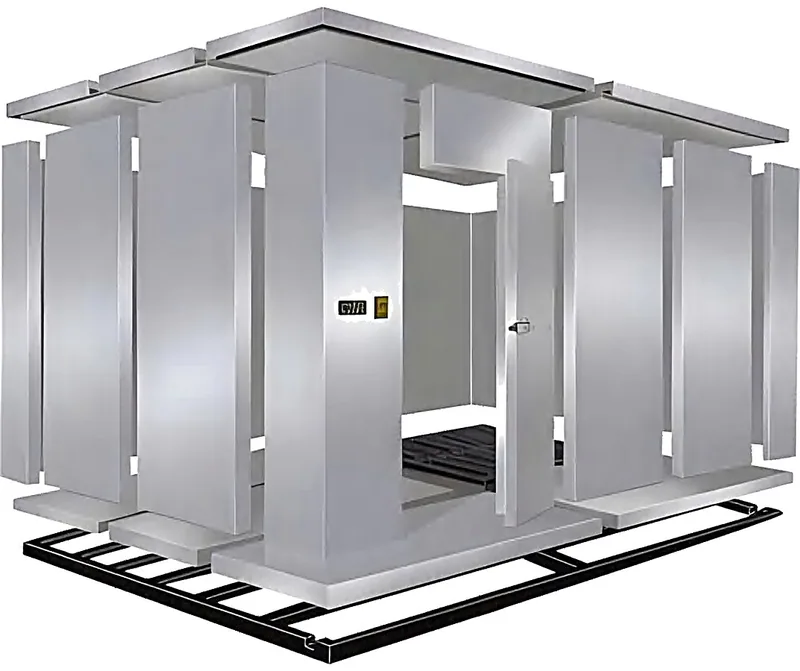
| Walk-In Cold Room Panels (TVD-2124) | Insulated modular panels, stainless steel finish, assembled to size | You need to build a storage room to your own dimensions. |
| Cold Room Refrigeration Unit (TVD-2127) | Split type and monoblock units, evaporator with controller, matched to room size | The room is built and needs refrigeration sized to it. |
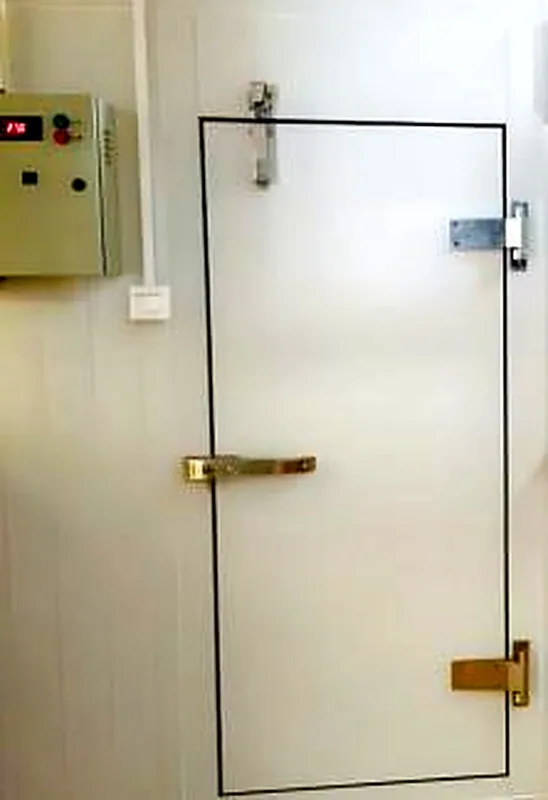
| Cold Room Hinged Door (TVD-2126) | Self-closing door with lock and closer | The room sees steady traffic and must close itself. |
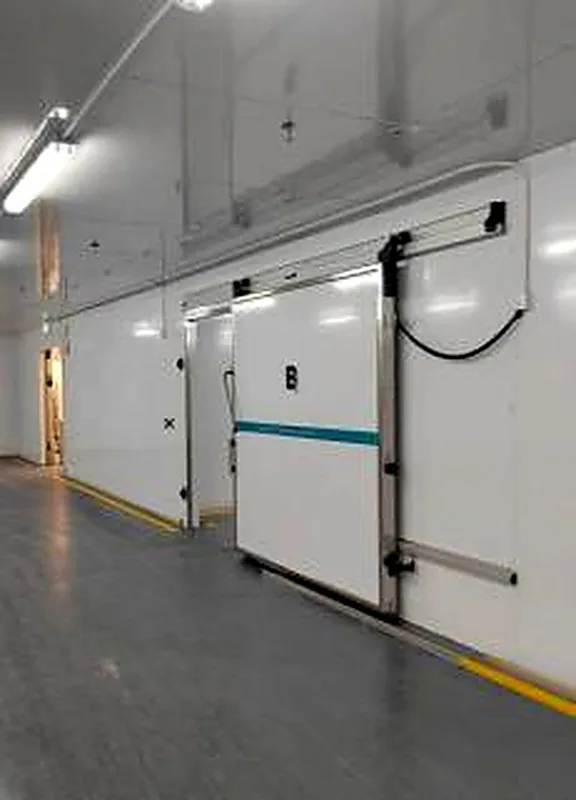
| Cold Room Sliding Door (TVD-2125) | Manual opening and closing, insulated door | Space beside the door is tight. |
Supply room dimensions, target temperature and product load so the panels and refrigeration unit can be sized correctly, and decide who will install the refrigeration. A blast chiller on its own is a one-box purchase; a cold room is a small construction project.
Canadian use notes
Winter matters twice. Electronics and liquids can freeze in transit, so we plan freight around the coldest months. And kitchens in heated buildings are warm year-round, so the unit's ambient rating matters more than the weather outside. Freight is usually by ocean to the west coast, then rail and truck to your address; consolidated shipping lets products from several factories share one container. If your kitchen is in a heritage building or a small unit, measure doorways and the route to the final position, because crated weight and dimensions are given on the quote.
In Quebec, labels and manuals must be available in French, and Quebec buyers should tell us at the start. Our quotes and product pages are in English, with French support on request.
Certification: what to expect
This is plugged-in refrigeration for food, so electrical and sanitation expectations apply. No certification mark is on file for the TVD-2123 today; we confirm status and supply documents with the quote, before you order. Our certification guide for this blast chiller lists the documents, and the marks explainer helps you read them.
How ordering works
Start with a written quote. It states price for your quantity, specifications, certification status and documents, packing, lead time and delivered cost to your address. We do not post prices. Many lines have low trial minimums and samples are available on most items, with sample cost usually credited to the first order; for a refrigerated unit we confirm on the quote what is practical. Payment is 30% deposit and 70% before release. Check the tax guide for your province, use the landed cost calculator to plan, read how ordering works, and request your quote. Our wholesale guide and Canada hub have more.