Certification guide ·
Ceiling Tiles and Suspension Systems in Canada: Fire Limits, Grid Matching and Documents
A ceiling is the largest finish in most rooms and the one inspectors check first. This guide explains the Canadian rules that touch tiles, boards, grids and acoustic ceilings in our line.
Ceilings differ from walls in one way that matters to a building official: flame travels faster across a ceiling than up a wall, because heat rises and hugs the surface. For that reason the ceiling finish is often the first thing an inspector looks at. This guide covers the products in our Ceiling Tiles & Suspension Systems line: acoustic boards, mineral fibre tiles, gypsum and PVC-faced tiles, painted grids and hanging acoustic ceilings.
First, our position. No certificate or test report is on file with us for any product named here. We therefore do not say that any of them is certified, approved, fire-rated or compliant. For each one, we confirm certification status and supply the documents with your written quote, before you order. Rules change and differ by province, so your building official, designer or inspector has the final say. This is not legal advice.
The rule that governs nearly every ceiling
The National Building Code of Canada, adopted with changes by each province (Quebec, Ontario, British Columbia and Alberta have their own codes), limits the flame-spread rating of interior wall and ceiling finishes. The test is CAN/ULC-S102. The limits depend on the use of the building and the location of the finish, and exits and corridors are the strictest places. An ASTM E84 report is the US equivalent; Canadian designers and officials usually want CAN/ULC-S102 results, though some review an E84 report case by case. Every tile and board below should be backed by a report on the exact product, including its thickness and the way it was mounted.
How the products differ on the paperwork side
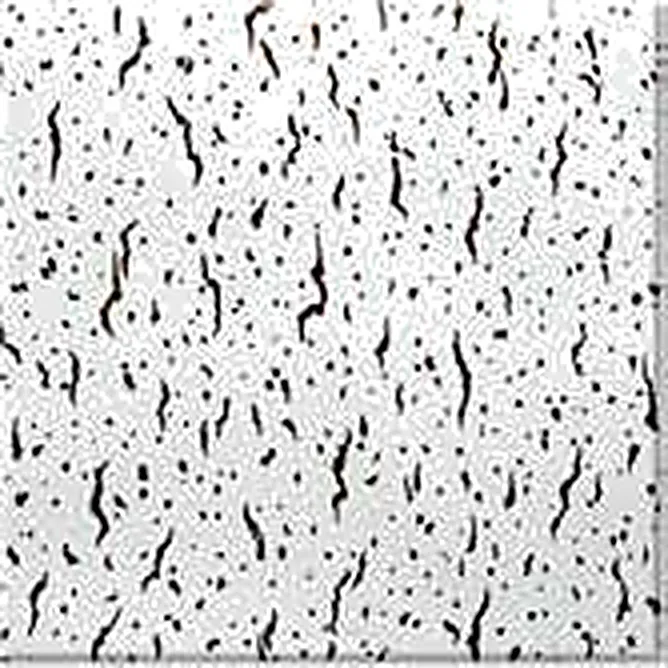
- Mineral fibre tiles. The Plain Mineral Fibre Ceiling Tile (TVD-1426) and Fissured Mineral Fibre Ceiling Tile (TVD-1428) are square white tiles that fit standard suspended grids. These are the most common ceiling tile in offices and schools, so officials are familiar with the usual fire and acoustic documents. Still, a report on one tile does not cover another pattern or thickness.
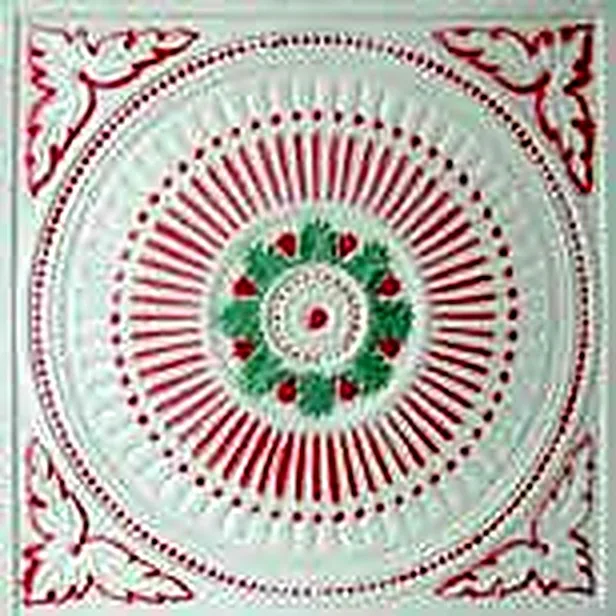
- Gypsum-based tiles. The Decorative Painted Gypsum Ceiling Tiles (TVD-1429) are embossed, painted and gilded. A paint or gilded layer is an applied surface, and the test should reflect it.
- PVC-faced boards. The PVC-Laminated Gypsum Ceiling Board (TVD-1430) has a PVC film face with printed and embossed designs. A plastic film is a separate layer, and a fire report should describe the board with its film.
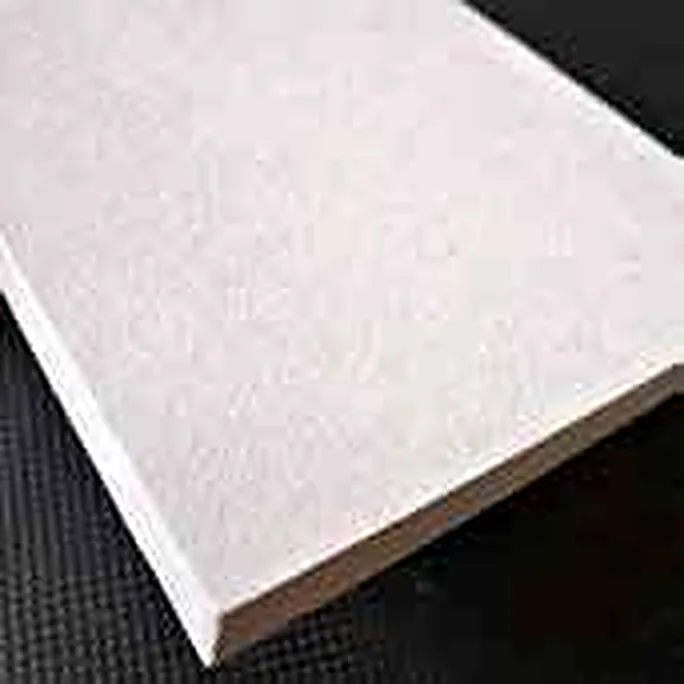
- Acoustic boards. The Acoustic Ceiling Board – Grey Face (TVD-1424) is a sound-absorbing board with a grey textured face and a black-backed core, so sound absorption data matters as much as fire data.
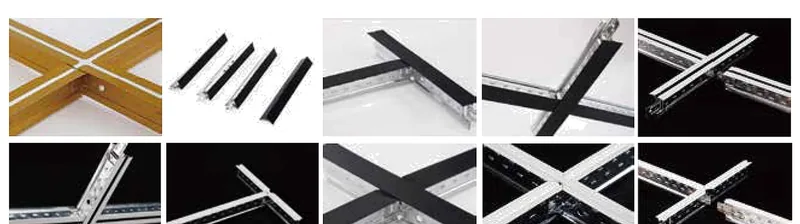
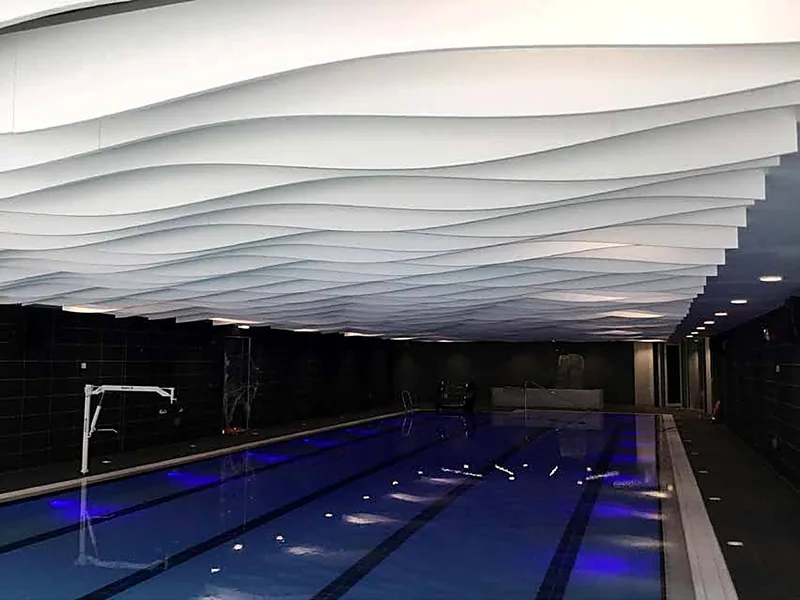
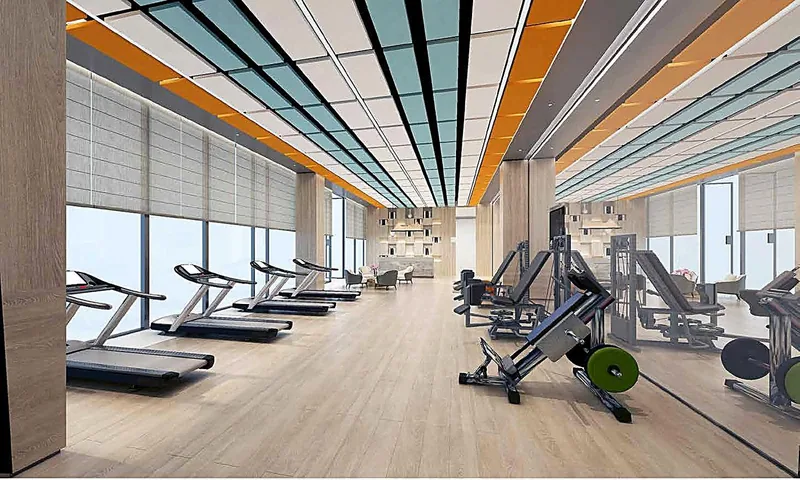
- Suspended and hanging ceilings. The Painted Ceiling T-Grid System (TVD-1433) is a painted tee-grid frame, the Curved Wave Acoustic Ceiling (TVD-1434) is a set of flowing wave-shaped panels, and the Acoustic Baffle Ceiling Panels (TVD-1435) are vertical hanging baffles. Each has its own mounting, and the evidence should be for the system as installed.
Documents to request
| Document | Why it matters | Who issues it |
|---|---|---|
| CAN/ULC-S102 report for the product and thickness | Flame-spread evidence for the ceiling position | Accredited testing laboratory |
| ASTM E84 report, where only that exists | Reviewed case by case by some officials | Testing laboratory |
| NRC or sound absorption report | Backs acoustic claims in the specification | Acoustic laboratory |
| Humidity resistance data | Matters for sag in pools, kitchens and damp rooms | Maker, confirmed on our quote |
| Grid compatibility statement | Confirms tile size and edge profile fit the frame | Maker |
| Weight and hanging instructions | Lets the installer and engineer check the support | Maker |
| French labels and instructions for Quebec | Charter of the French language requirement | Maker, before shipment |
Systems, not parts
A suspended ceiling is a system of tile, main tees, cross tees, wall angle and hangers. Buy the tile from one source and the grid from another and you may find that the edge profile does not seat, or that the combination has no evidence behind it. We suggest ordering main tees, cross tees and wall angle with the tiles and asking for confirmation that the combination fits. For the grid itself, see our guide to TVD-1433.
Where gypsum and mineral fibre meet moisture
Gypsum and mineral fibre can sag when humid. Ceilings in pools, kitchens, laundry rooms and over entrances need a moisture-minded specification, and the TVD-1434 listing itself points to pools, halls and lobbies. Ask for humidity data and the installation conditions the maker recommends. Across the humid coast and Atlantic Canada, this matters most. In heated buildings in the Prairies, winter air is dry and cold, and installers should let boards settle in the building before fixing.
Provincial notes
In Quebec, labels, instructions and warranty documents must be available in French, and officials work to the Quebec code. Ontario, British Columbia and Alberta each have their own codes. For schools, hospitals and government buildings, tenders often add tests. Ask early and write the answer into the specification.
What happens if documents are missing
An inspector can refuse a ceiling finish, and a ceiling that is already up is expensive to open. Occupancy permits can be held while a test is arranged. A retailer or landlord may refuse goods that arrive without papers.
How we handle it
We request every report that exists for the exact products you choose, send what we obtain with the quote and say plainly what is missing. If a test is needed, we discuss options before any deposit. Read the individual guides for the fissured mineral fibre tile and the painted gypsum tiles. Then send a list of codes with a quote request, and see the ordering page for payment terms.