Certification guide ·
Self-Adhesive PET Wall Stickers in Canada: Compliance and Import Checks for the Whole Line
Peel-and-stick wall panels have no electrical or food rules, but inspectors, landlords and retailers still ask for paperwork. Here is the whole line, product by product.
Ask a buyer what rules cover a self-adhesive wall panel and the common answer is "none". It is nearly right, and the exceptions are what cost money. This guide covers our self-adhesive wall sticker line, a family of peel-and-stick PET wall panels with easy dry installation on flat walls and a wide choice of patterns and colours. We hold no certificate for any product in it, and we say so in each case.
The products in the line
- PET Wall Sticker - Glossy Marble (TVD-1406)
- PET Wall Sticker - Hot Stamping (TVD-1407)
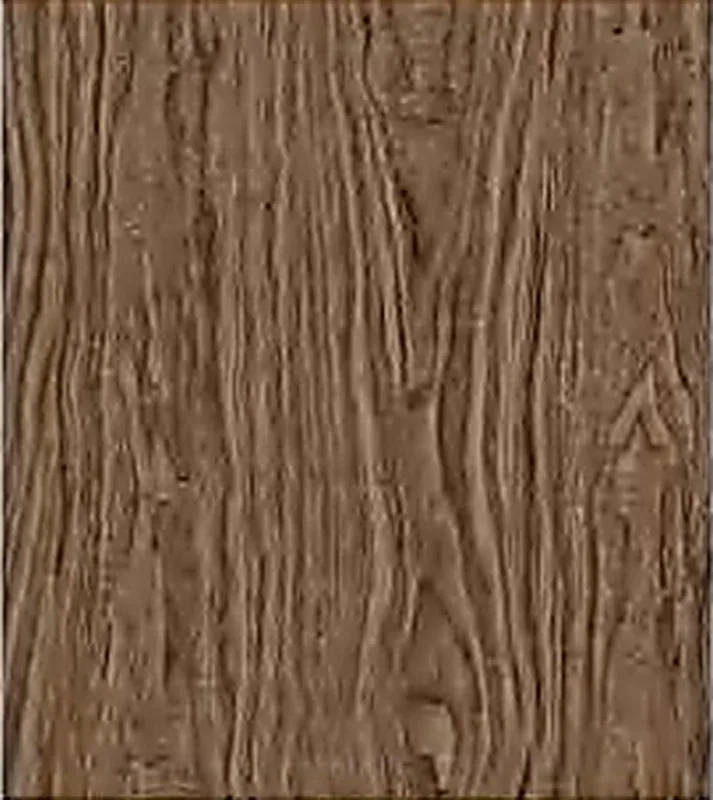
- Wood-Grain Wall Sticker - Walnut (TVD-1408) and Wood-Grain Wall Sticker - Light Oak (TVD-10206)
- PET Wall Sticker - Soft Porcelain (TVD-1409)
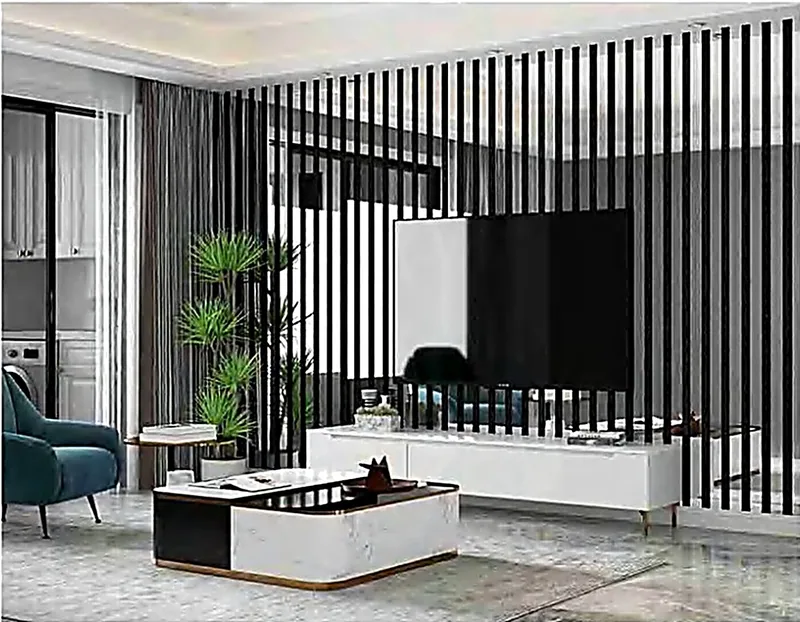
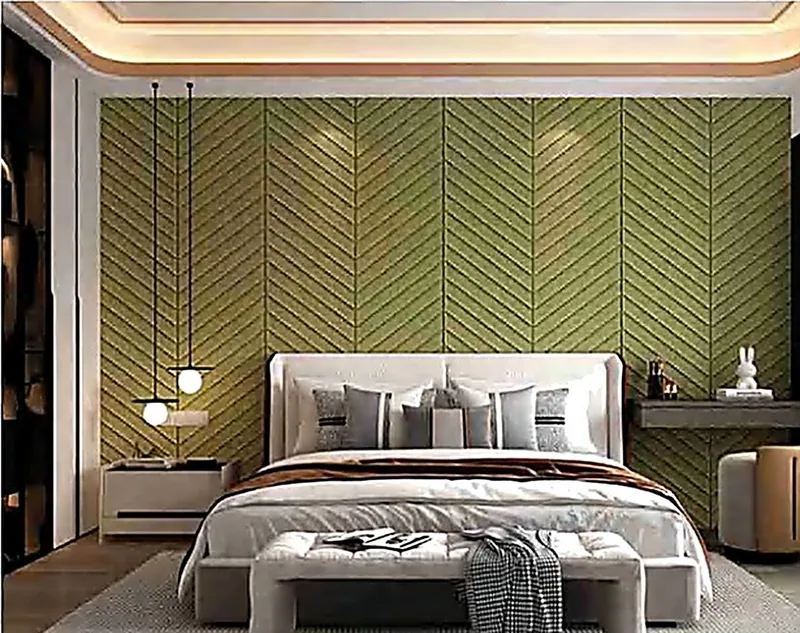
- PET Wall Sticker - Silent Grille (TVD-1410)
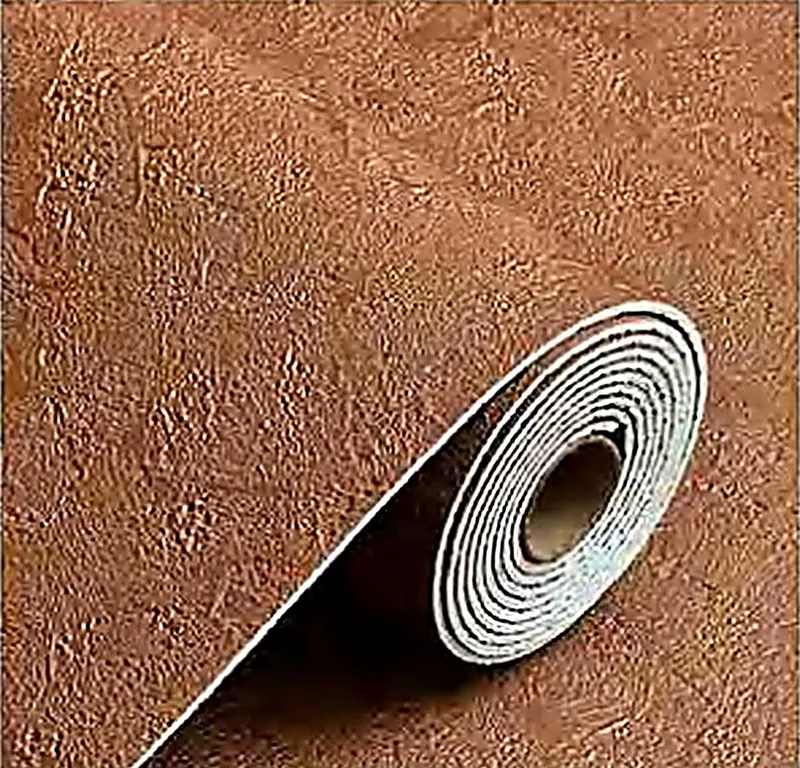
- PET Wall Sticker - Leather (TVD-1411), Velvet (TVD-1412) and Floral Cloth (TVD-1413)
Since they share one construction, they share most of their questions. The differences are small and are listed below.
Where the rules bite
Fire behaviour on interior walls
The National Building Code of Canada limits the flame-spread rating of interior wall and ceiling finishes, and each province adopts the code with changes. Quebec, Ontario, British Columbia and Alberta publish their own. The test is CAN/ULC-S102, and the limit depends on the building use and the location of the surface; exits and corridors are the strictest places. For a thin film, the substrate under it can change the result, so ask which substrate was used in the report. The US method, ASTM E84, comes up often with imports; Canadian designers usually prefer CAN/ULC-S102, and some officials review E84 case by case. We do not describe any product here as non-combustible, and non-combustible construction refers to a separate test, CAN/ULC-S114.
Composite wood
The wood-grain pair, TVD-1408 and TVD-10206, are printed PET films according to our listing. If a version is supplied bonded to a wood-based board such as MDF or particleboard, Canada's formaldehyde emission rules for composite wood products apply: limits, a third-party certifier and labelling. We ask the factory to state the construction in writing and request the certificate if it is needed.
A product with a possible electrical element
For TVD-1410, the Silent Grille, we do not know whether the product is purely a printed pattern or includes any component beyond the film. If any version has a powered or lit part, it would need a certification mark from a body accredited by the Standards Council of Canada, such as CSA, cUL or cETL, and a US-only UL or ETL mark would not be enough. See our guide to those marks. We ask the factory to state the construction in writing, and we say nothing about electrical safety until the answer arrives.
Import, taxes and language
Duty depends on tariff classification and origin. GST, HST, PST or QST apply by the delivery province, and the sales tax guide compares them. Our customs broker confirms classification before we quote a delivered cost. In Quebec, labels, instructions and warranty documents must be available in French. For prepackaged consumer goods, federal rules require bilingual product identity and net quantity and the dealer's name and place of business, which matters for retailers selling rolls over the counter.
How the products differ for compliance purposes
| Product | Extra point to settle |
|---|---|
| TVD-1406 Glossy Marble | High-gloss surfaces and flame-spread report on the exact film |
| TVD-1407 Hot Stamping | Whether the decoration contains metallic layers, and the test report |
| TVD-1408, TVD-10206 Wood-Grain | Confirm no wood-based board, or provide the formaldehyde certificate |
| TVD-1409 Soft Porcelain | Standard film questions |
| TVD-1410 Silent Grille | Written construction statement, and any electrical element |
| TVD-1411 Leather, TVD-1412 Velvet, TVD-1413 Floral Cloth | Textured or textile-effect film: confirm whether any real fabric is involved, which could bring textile labelling |
The last row is a precaution. Canada's Textile Labelling Act covers consumer textile articles, and a product described as velvet or cloth may be asked about it. We confirm with the factory whether any real textile is present before we say anything about labelling.
Documents to collect
| Document | Why | Who issues it |
|---|---|---|
| Flame-spread report, with substrate named | Compare with the code limit | Accredited test laboratory |
| Construction statement | Reveals wood board, textile or electrical parts | Manufacturer |
| Adhesive and installation guide | Substrate, temperature, removal | Manufacturer |
| Tariff classification | Fixes duties and taxes | Our customs broker |
| French-language documents | Quebec and chain retailers | Manufacturer, translated |
A note on thin films and building types
The same film can be a non-issue in one building and a headache in another. Inside a single-family home, building-code limits on interior finishes are mild and most of the questions are practical ones about adhesive. In a school, a care home, a hotel corridor or a restaurant, the finish is part of the fire safety picture, and the designer, the fire consultant or the building official will want paperwork for each surface. If you supply contractors rather than homeowners, keep a folder of reports by product code and hand it over with each order. Contractors remember the supplier who made the inspector's visit short.
What goes wrong without them
An inspector can refuse a finish in a corridor. A landlord's insurer can ask what was stuck to the walls. A chain store can decline an item without French packaging. Each is possible, and each is easy to avoid with early questions.
Our process
Add the building type, province and quantity to your quote request. We confirm certification status and the available documents for each code and send them with the written quote, before you pay. Ordering follows the usual payment sequence of 30% deposit and 70% before release. This guide is general information, not legal advice. Rules change, so confirm with your building official, inspector or customs broker. Product-level reading: the six-finish buying guide, the wood-grain pair guide and the line page.