Certification guide ·
Large-Format and WPC Wall Panels in Canada: Compliance and Import Checks
Wall panels carry no electrical mark, but they still meet building codes, fire test requirements and import rules. This is the checklist to run through before ordering.
Nobody asks for a CSA sticker on a wall panel, and that is exactly why buyers get caught out. The questions that stop a job are different: how fast does flame spread across the face, does the core contain composite wood, can the manufacturer produce a test report that the building official will read. This guide covers four panels in our large-format and WPC line, and it says plainly that for none of them do we hold a certificate on file today.
The four panels, and the one thing they share
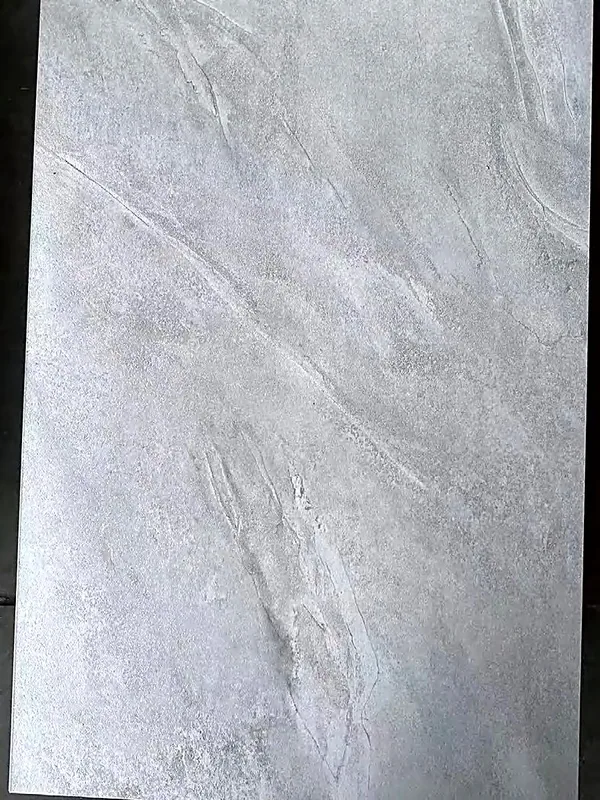
- Large-Format Stone-Look Wall Panels (TVD-1452): stone, marble and terrazzo looks, 2400 to 3600 mm long.
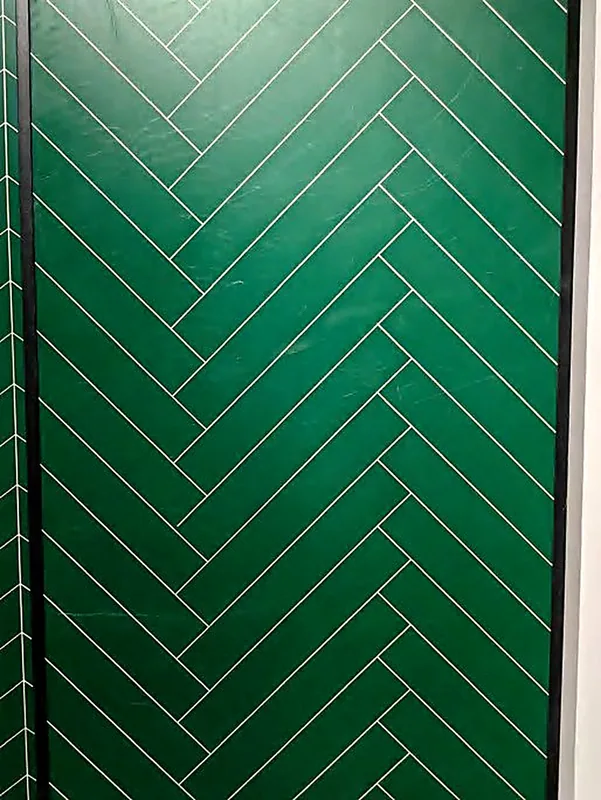
- Glazed Tile-Look Wall Panels (TVD-1453): subway, herringbone and grid looks, suited to bathrooms and showers.
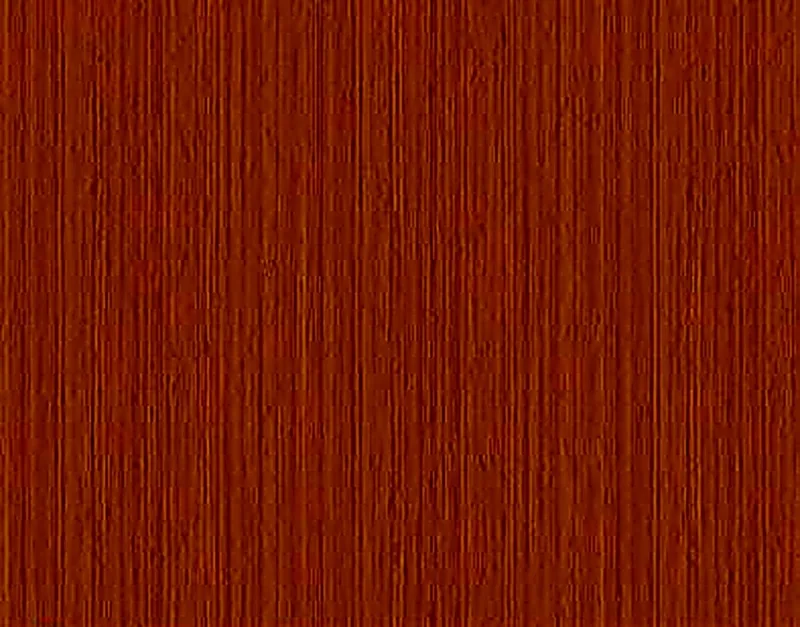
- Bamboo-Grain Decorative Board (TVD-1454): natural bamboo-grain finish, 1300 x 1600 mm, for interior floor and wall use.
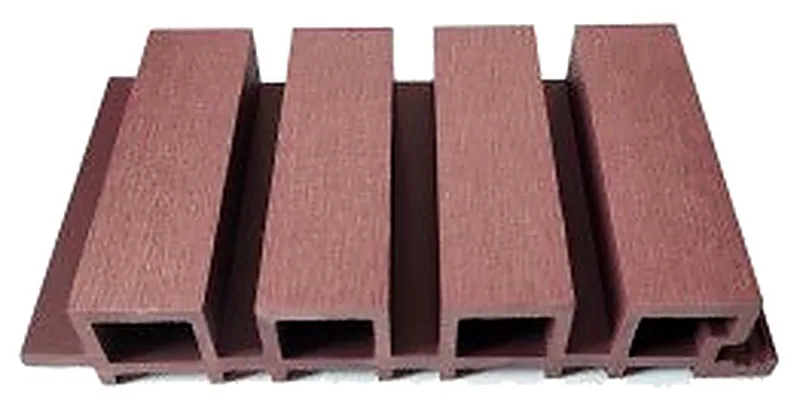
- WPC Fluted Wall Cladding (TVD-1465): hollow fluted profile, interior cladding described as moisture resistant.
What they share is that they are interior finishes, so building rules govern them more than product-safety rules do. We state the certification position of every one clearly: no mark is on file for any of them. We confirm certification status and supply documents with the quote before you order.
Rule 1: flame spread on interior finishes
The National Building Code of Canada, which each province adopts with its own changes (Quebec, Ontario, British Columbia and Alberta publish their own codes), limits the flame-spread rating of interior wall and ceiling finishes. The test method is CAN/ULC-S102. The permitted rating depends on the building use and on where the surface sits: exit stairs and corridors face the strictest limits, while a private room is far more relaxed.
A report under the US method, ASTM E84, comes up often with imported goods. Canadian designers usually want the CAN/ULC-S102 result, though some building officials will assess an E84 report case by case. If your project has a fire consultant, ask them which they accept before you choose a panel. We will not describe any panel in this line as non-combustible, because we have no evidence on file for that.
Rule 2: floor use and the bamboo-grain board
TVD-1454 is listed for interior floor and wall use. When a product serves as a floor covering, the relevant test in Canada is CAN/ULC-S102.2, not the wall method. So the same board can face two different questions depending on where you put it. Tell us on the quote request whether it will go on a wall, a floor, or both.
Rule 3: composite wood and formaldehyde
Canada's formaldehyde emission rules for composite wood products have been in force since 2023. They cover hardwood plywood, particleboard, MDF and laminated products, which must meet emission limits, be certified by an approved third-party certifier and be labelled. We do not know the core of each panel here until we read the factory documents, so treat it as a question to answer: if the version you order has an MDF, particleboard or similar core, ask for the certificate, which is aligned with the US TSCA Title VI paperwork. A manufacturer who cannot name the core material is not ready to quote.
Rule 4: import classification and duties
Duty depends on the tariff classification and the country of origin, and GST, HST, PST or QST then apply according to the province of delivery. Our customs broker confirms the classification before we quote a delivered cost, so the number you see covers more than the factory gate. The sales tax by province guide shows how the taxes differ, and the landed cost calculator lets you model the effect early.
Rule 5: Quebec and language
In Quebec the Charter of the French language requires product labels, instructions, manuals and warranty documents to be available in French. A retailer or contractor there will ask. For packaged panels sold to the public, bilingual labelling rules also apply. Tell us at the start if the goods are headed to Quebec so the packaging and documents are planned in advance.
Documents to request
| Document | Why you need it | Who issues it |
|---|---|---|
| Flame-spread test report | Shows the product against the building code limit for its use | Accredited test laboratory |
| Core and material statement | Tells you if composite wood rules apply | Manufacturer |
| Formaldehyde certificate | Needed where a composite wood core is present | Approved third-party certifier |
| Moisture and use rating | Confirms bathroom, shower or floor suitability | Manufacturer, with test data |
| Tariff classification | Fixes the duty and taxes | Our customs broker |
| French-language documents | Required for Quebec sales | Manufacturer, translated |
What goes wrong when something is missing
A building inspector can refuse an interior finish that lacks a test report acceptable for the location, and removing panels once glued to a wall is expensive. A retail chain or franchise may decline to stock a product without paperwork. A contractor's insurer can ask questions after a fire loss. None of this is a certainty for any product here; it is the reason to ask early.
Our process
When you send a quote request, tell us the building type, the location of the wall or floor, and the province. We then confirm certification status and the available documents, and put them with the written quote. If a test report does not exist for the exact thickness you need, we say so, and you can decide whether to commission one. Ordering follows the pattern on the ordering page: 30% deposit, 70% before release. This guide is general information and not legal advice, and rules change, so check with your building official, inspector or customs broker.
For a similar look at a related panel family, read the compliance guide for TVD-8492, or go straight to the product line page.