Product guide ·
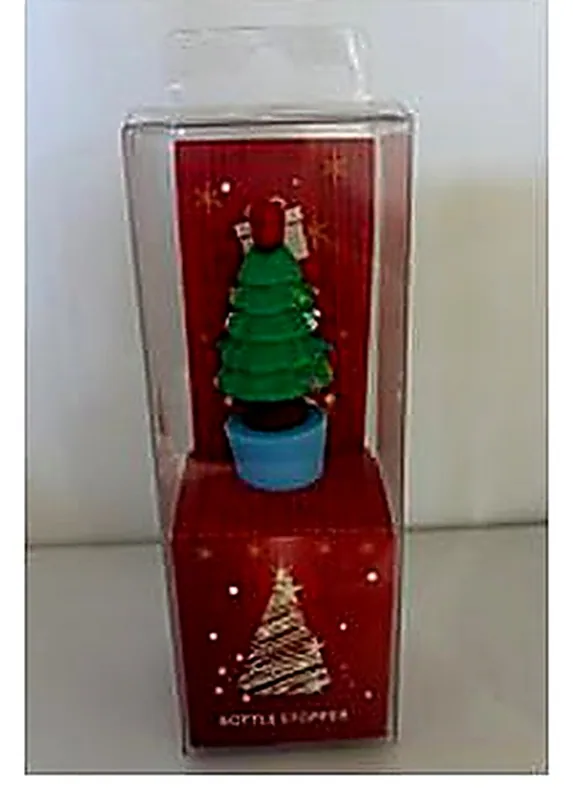
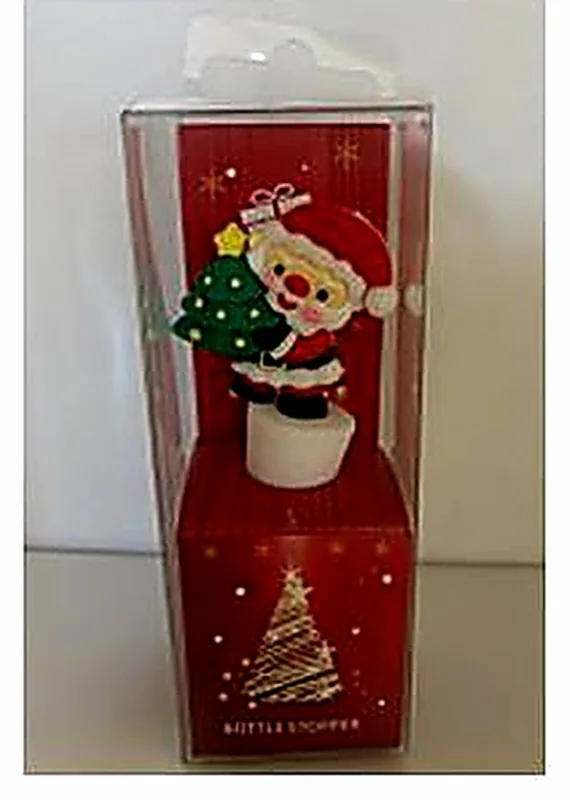
Christmas Wine Stopper Tree (TVD-2813) and Santa (TVD-10362): One Gift Line, Two Figures
Two gift-boxed Christmas wine stoppers share one specification and differ only in the figure on top. This guide helps you choose, mix and order them for Canadian retail.
Two stoppers, one specification
This guide covers two products that are built to the same listed specification. Christmas Wine Stopper – Tree (TVD-2813) and Christmas Wine Stopper – Santa (TVD-10362) both measure 11.5 x 3.6 x 2.3 cm and both come as gift-boxed figure stoppers. Our listing shows no other difference between the two than the figure itself, so the honest way to choose is by the shape you want on the shelf, not by any performance difference. What the stopper is made of and how it seals is confirmed on your written quote for both.
What the two have in common
- Size. 11.5 x 3.6 x 2.3 cm for each figure stopper.
- Format. A figure stopper sold in a gift box, ready for a shelf or a counter display.
- Seasonal use. Both are Christmas pieces, so they belong in the same December window as the stacking mug set (TVD-2812) and other Christmas drinkware in our Drinkware & Tumblers range.
Our listing also says each figure comes in several styles. If you need a specific colourway on the tree or the Santa, tell us on the quote and we confirm it with photos.
How the Tree and the Santa differ
| Point | Tree (TVD-2813) | Santa (TVD-10362) |
|---|---|---|
| Figure | Christmas tree | Santa |
| Size | 11.5 x 3.6 x 2.3 cm | 11.5 x 3.6 x 2.3 cm |
| Packing | Gift box | Gift box |
| Best suited to | Neutral, décor-led gifting that can stay on the table after Christmas Day | Character gifting, family and children's-table tone |
The last row is a merchandising view, not a technical difference. The tree reads as seasonal décor; the Santa reads as a character gift. Many retailers carry both because the two sit comfortably side by side and give shoppers a choice at the same shelf position.
Which buyer each figure suits
Gift shops and home-décor stores usually want both: a short run of trees for the shopper who wants something understated and a short run of Santas for the one who wants a character. Wine shops and delis can place them near the till as an add-on to a bottle sale. Online sellers can list the pair as a "choose your figure" listing and fulfil from one carton. Restaurants and hotels with a retail corner or a hamper programme may use them as a small gift in a seasonal basket. Discount and variety chains can use the stoppers as a low-footprint seasonal item that does not take shelf depth.
How to mix them in one order
- Decide the split by figure. A balanced split is common for a first order, then reorder the one that sells.
- Ask for one packing unit for both so cartons are interchangeable across stores.
- Confirm the gift-box artwork and whether text on the box is in English only or bilingual.
- Ask for the sample set of both before you confirm the split; sample cost is usually credited to the first order.
- Put both on one written quote so freight is calculated for the combined carton count.
Food-contact and material questions
A wine stopper goes into the neck of a bottle, so a buyer may treat it as a food-contact item. The Food and Drugs Act prohibits selling food in or with materials that may make it harmful, and Health Canada does not pre-approve kitchenware. Buyers commonly ask the factory for food-contact test reports, for the part of the stopper that enters the bottle. If any part is glazed ceramic or glass, the Glazed Ceramics and Glassware Regulations set limits on lead and cadmium that can leach from food-contact surfaces, and decorated surfaces near the lip are a known risk. Our listing does not state the stopper material, so we do not assume it; we confirm it and the documents on the quote. We do not hold a certification document for either product on file. See the certification guide for the Santa wine stopper for the document checklist, and our drinkware food-contact, glass and ceramic import rules.
Canadian use notes
Small giftware is easy to ship but easy to miss in a holiday plan. Ocean freight from Asia lands at Vancouver or Prince Rupert about two to three weeks port to port, then continues by rail to the Prairies, Toronto-area and Montreal terminals. Gift-boxed pieces should be packed against crushing, and nothing liquid should sit in a cold truck. Prepackaged consumer products sold in Canada need bilingual product identity and net quantity plus the dealer's name and place of business under the Consumer Packaging and Labelling Act, and if you sell in Quebec, labels and instructions must be available in French. Rules change, so confirm with the authority or your customs broker; this is not legal advice.
Ordering
Every order is quoted in writing for the quantity and delivery address, including specifications, certification status, packing, lead time and delivered cost. Trial minimums are low on many lines, samples are available on most items, and goods from several factories can share one container. Payment is 30% deposit and 70% before release. Read how ordering works, estimate duty with the landed cost calculator, review the sales tax by province guide, or send a quote request. The drinkware wholesale guide and home kitchen and tableware in Canada cover the wider range, and you can compare the glass mug guide and diamond-cut glass range guide for other giftable glass.