Certification guide ·
Stainless tumblers, moka pots and gift drinkware: what Canadian rules mean for the metal end of the range
Stainless steel, aluminium, wood handles, printed exteriors and gift boxes each raise a different question for a Canadian buyer. This guide sorts those questions by material and tells you which documents to ask for.
Which products this guide covers
Our drinkware line splits into glass pieces and everything else. The glass items have their own separate glassware compliance guide. This guide covers the rest:
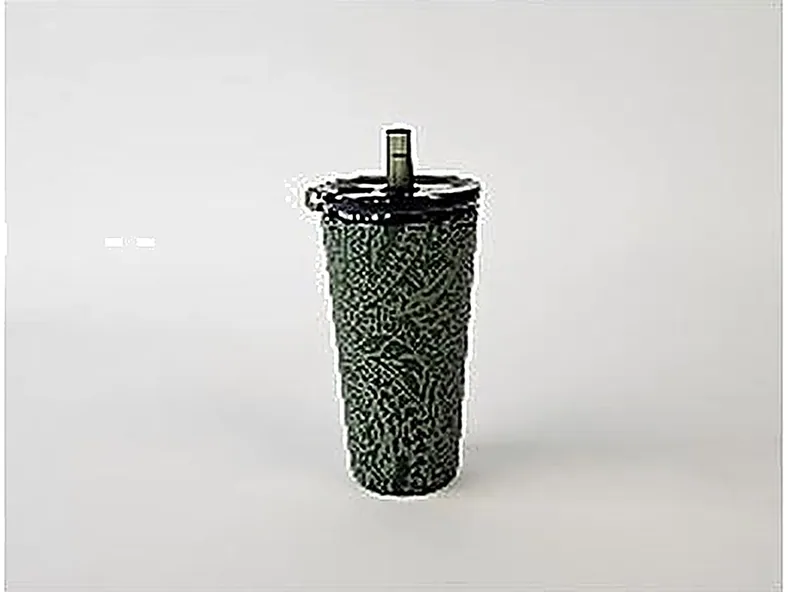
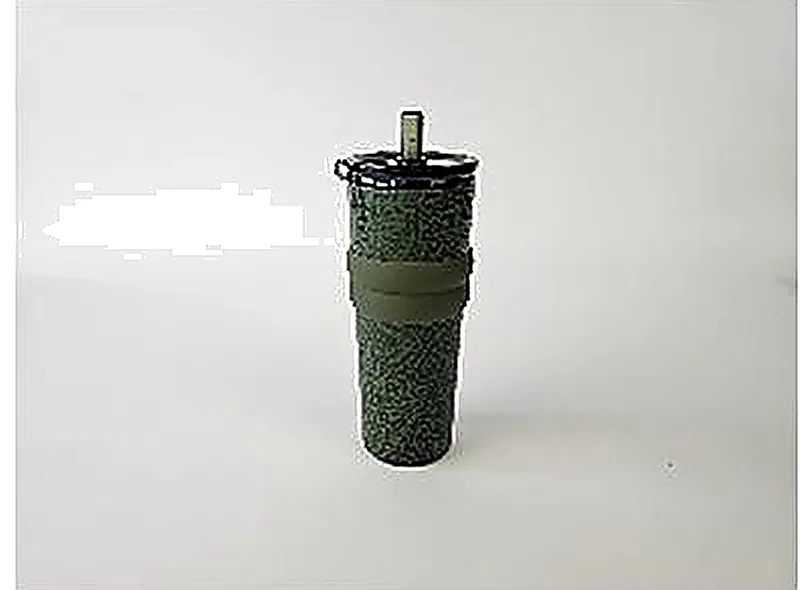
- Insulated straw tumblers in 480 ml and 700 ml: Insulated Straw Tumbler – Textured Green (TVD-2795) and Insulated Straw Tumbler – Sleeve (TVD-10358).
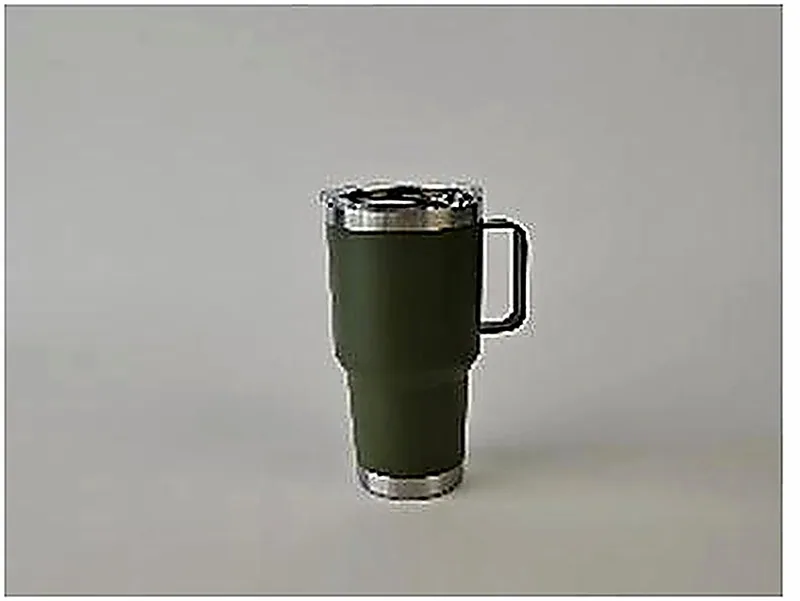
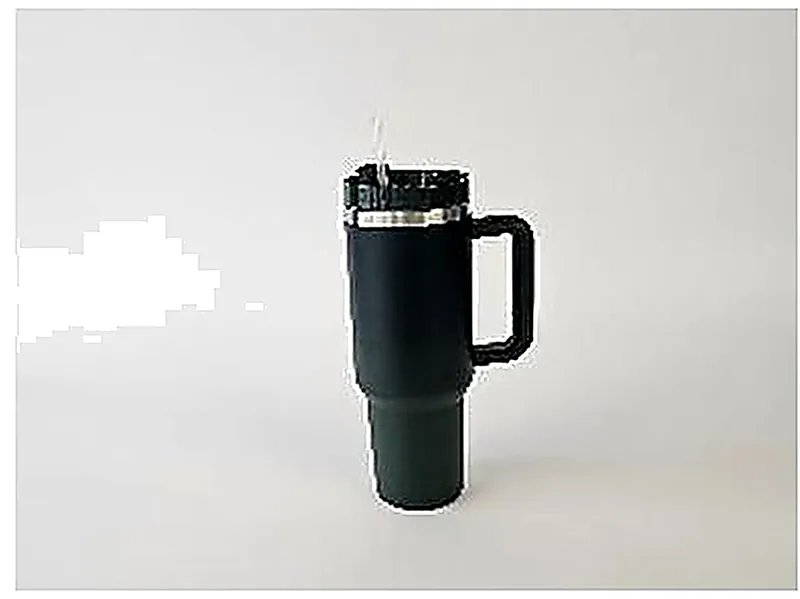
- Stainless travel drinkware in 30 oz and 40 oz with a handle: Stainless Travel Mug – 30 oz (TVD-2796) and Stainless Travel Tumbler – 40 oz (TVD-10359).
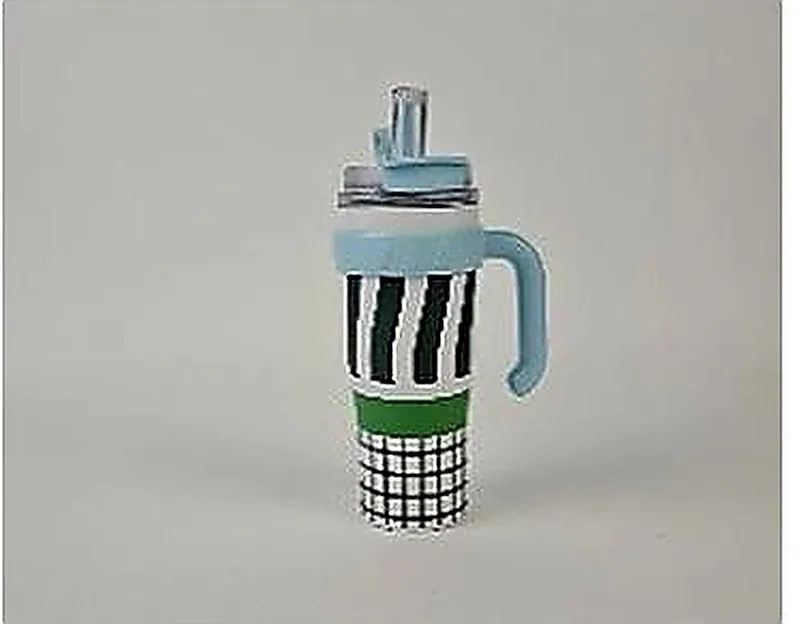
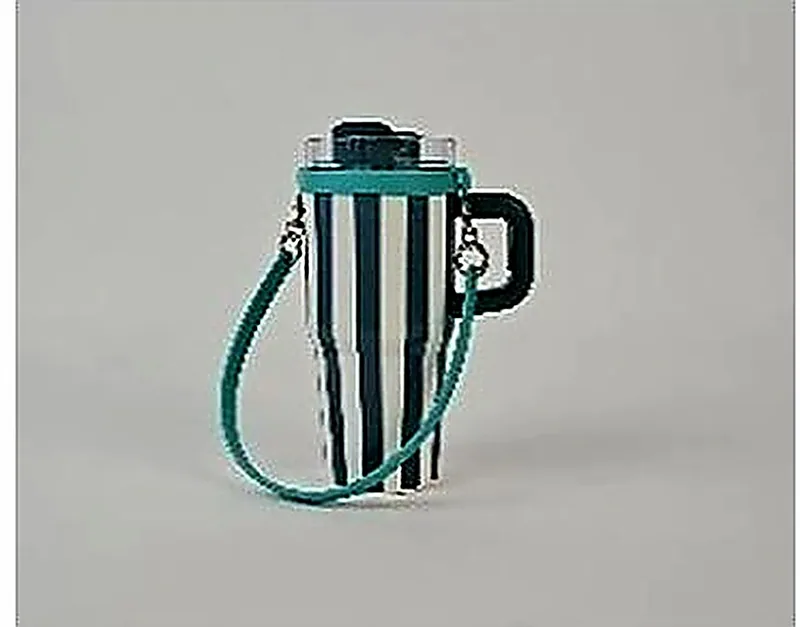
- Forty-ounce tumblers with a stainless 304 inner, striped and checked prints, a straw lid and a carry handle: Patterned Straw Tumbler with Handle (TVD-2797) and Striped Straw Tumbler with Strap (TVD-10360).
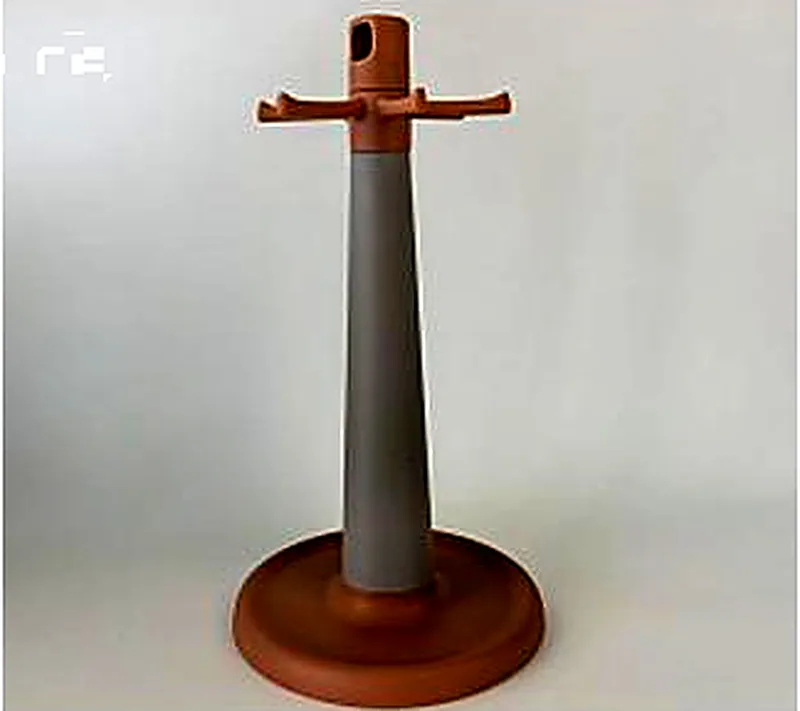
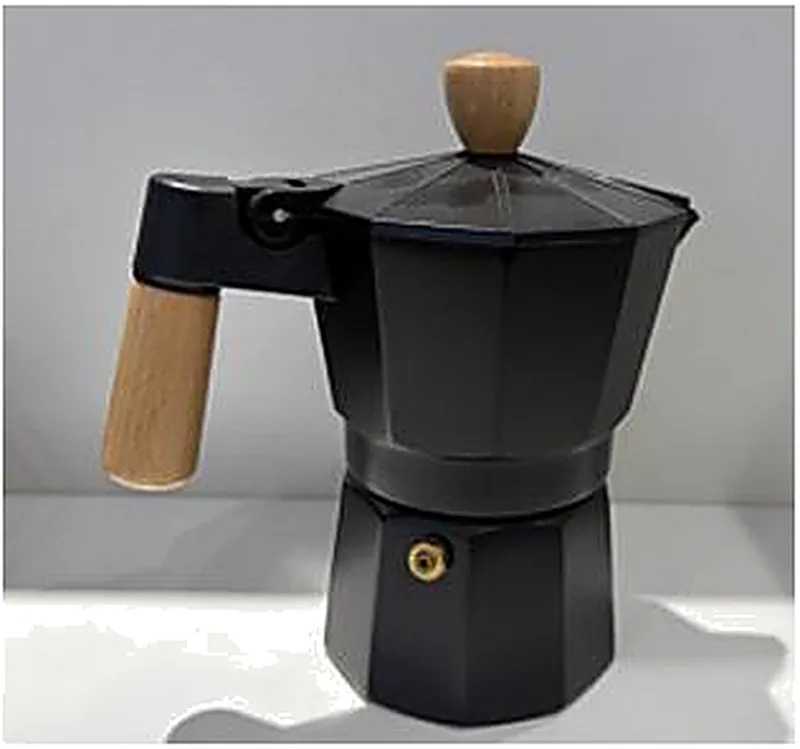
- The Mug Tree Stand (TVD-2802) counter stand with six hooks and the Aluminium Moka Pots – Wood Handle (TVD-2804) with a black aluminium body and wooden handle and knob.
- Gift lines: the Wine Bottle Accessory Gift Sets (TVD-2807) with opener tools inside a bottle-shaped case, the red Christmas Straw Tumbler – Red (TVD-2811) and white Christmas Straw Tumbler – White (TVD-10361) Christmas tumblers, the Wine Bottle Cover Gift (TVD-2808) bottle-shaped wine cover and the Santa-face Christmas Stacking Mugs with Stand (TVD-2812) with a metal stand.
Certification status: no certification mark is on file for any of these products and we do not claim one. For each item we confirm certification status and supply the documents with the quote before you order. A stainless tumbler is not an electrical or gas product, so the familiar CSA, cUL and cETL marks do not apply to it; the guide to those marks explains where they do.
The legal frame in plain words
Drinkware is a consumer product. The Canada Consumer Product Safety Act prohibits products that are a danger to human health or safety, requires incident reporting and allows recalls; Health Canada enforces it. For anything that contacts food or drink, the Food and Drugs Act prohibits selling food in or with materials that may make it harmful. Health Canada does not pre-approve kitchenware, although it offers voluntary Letters of No Objection for food packaging materials. In practice the buyer asks the factory for food-contact test reports, for example FDA or EU migration tests, and keeps them on file.
The Consumer Products Containing Lead Regulations set lead limits that include kitchen utensils and products for young children. If a version you order is aimed at children, mention it up front. Rules change: confirm with Health Canada, your inspector or customs broker. None of this is legal advice.
Material-by-material checklist
| Material or part | Products | What to ask for |
|---|---|---|
| Stainless steel body | TVD-2795, TVD-10358, TVD-2796, TVD-10359, TVD-2797, TVD-10360 | Steel grade for inner and outer wall; the 40 oz prints list a stainless 304 inner; ask for the grade statement in writing, plus a food-contact report |
| Lid, straw, seal | All straw-lid tumblers | Plastic or silicone type, whether any part is coated, and a food-contact report that covers every part touching the drink |
| Printed or coloured exterior | Striped, checked and Christmas prints; textured green | What the finish is and that it is on the outside only; confirm durability under washing and abrasion |
| Aluminium body, wooden handle | TVD-2804 | Food-contact statement for the aluminium and any black finish; finish on the wood; which hob types it suits |
| Metal stand and finish | TVD-2802, TVD-2812 | Coating description; for mugs on a stand, whether the mugs are glazed ceramic |
| Opener tools and case | TVD-2807 | Material of each tool; packaging that prevents injury at retail |
| Bilingual packaging | All | English and French identity and net quantity, dealer name and place of business |
Where the line differs
Insulated and stainless tumblers
These are the simplest to document: stainless body plus lid and straw. The risk lives in the small parts. Seals, straws and lids are often a different plastic from the body, and a report on the body alone does not cover them. The 30 oz and 40 oz travel drinkware is built around a handle and straw lid; see the travel mug guide to choose between sizes.
Printed tumblers and seasonal styles
Prints give a tumbler its retail appeal and are what a careful buyer checks. The striped and checked 40 oz styles are covered in the patterned tumbler guide, and the red candy-cane tumbler in the Christmas tumbler guide. For seasonal lines, add time to your calendar: ocean freight from Asia takes about two to three weeks port to port before inland transport, so a holiday order has to start early.
Moka pot, stand and gift sets
The moka pot guide covers the stove question; the key compliance point is the food-contact statement for the aluminium. The mug tree stand guide deals with the finish on hooks. Wine accessory gift sets, covered in our gift set guide, add small tools in a presentation case: ask what each tool is made of and whether any edge is sharp. The stacking mug guide flags one conditional: if the three mugs are glazed ceramic, the Glazed Ceramics and Glassware Regulations apply, with limits on lead and cadmium, and decorated rims or printed decoration near the lip are the known risk.
If the documents are missing
A buyer who orders without food-contact reports can end up holding stock that a retailer, franchisor or health unit will not accept. A product that proves hazardous can be recalled under the CCPSA. For cafes and restaurants, inspectors look for equipment that is durable, easy to clean and sanitary. For online sellers, a marketplace may take a listing down on a complaint. We ask the questions before the deposit, not after the container arrives.
Provinces and labels
Quebec requires labels, instructions and warranty documents to be available in French, and retailers there will ask. Elsewhere, bilingual labelling applies to prepackaged consumer products under the Consumer Packaging and Labelling Act. Plan bilingual cartons for every shipment, then add French inserts and French warranty wording for Quebec.
How we handle it
Send us the items and quantities through the quote request. We confirm material grades, test reports available, packing, lead time and delivered cost on a written quote, with samples on most items credited to a first order. Payment is 30% deposit and 70% before release, and items from several factories can share a container; how ordering works shows each step. Taxes follow the delivery province; see the sales tax guide. Browse the full drinkware range or the Canada delivery hub.