Certification guide ·
Glass tumblers, flutes and mugs in Canada: certification and import rules for the glassware range
There is no single certification mark for drinking glass in Canada. What there is: limits on lead and cadmium, food-contact expectations, labelling and the paperwork your customers will ask for. Here is how those rules apply to our six glassware items.
The six glass items this guide covers
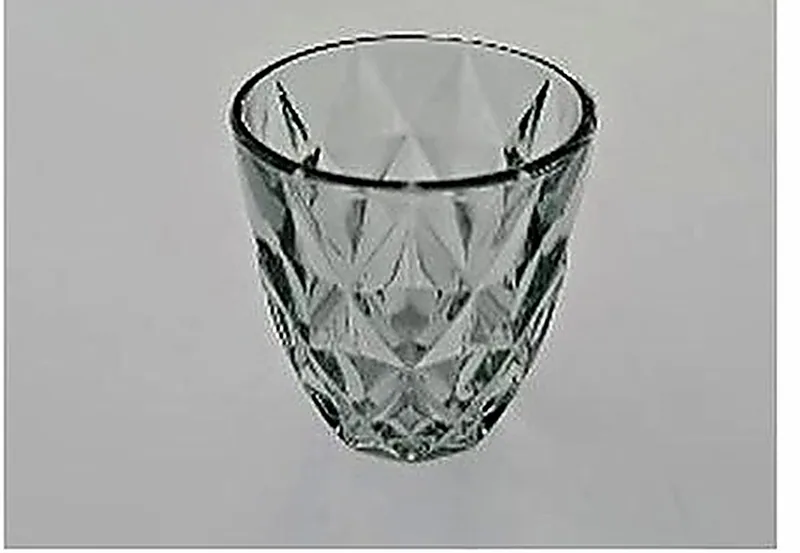
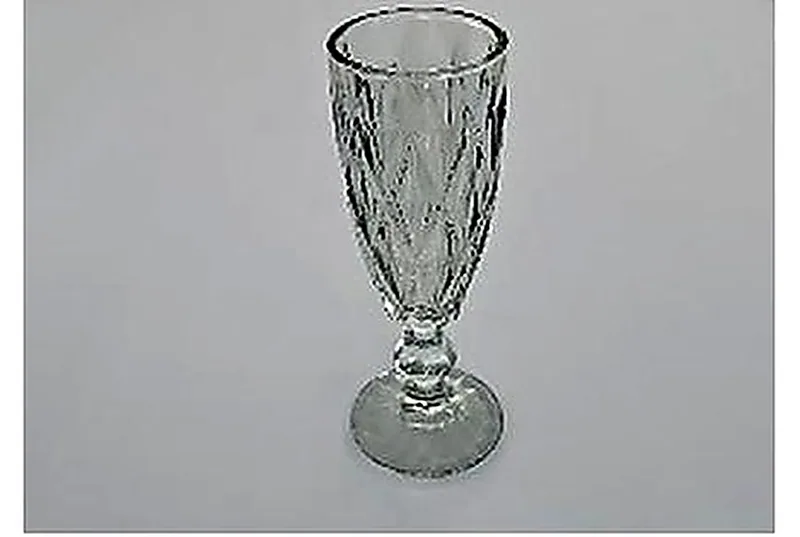
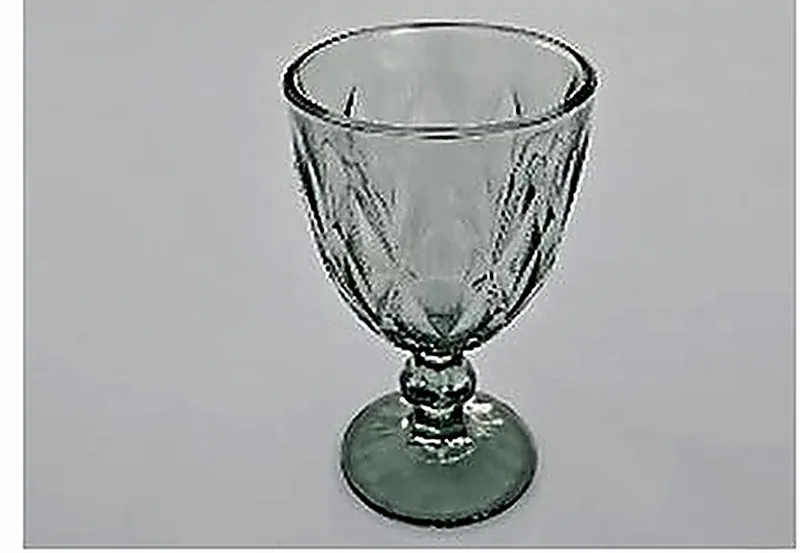
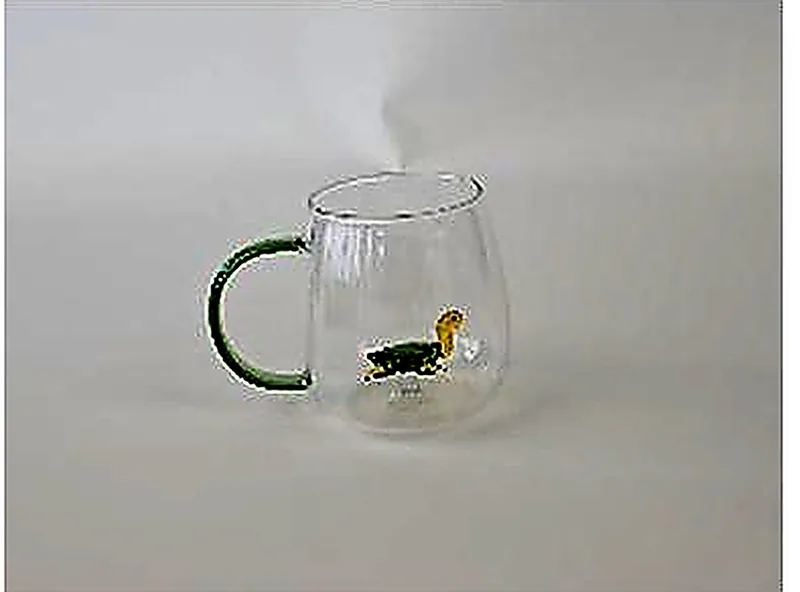
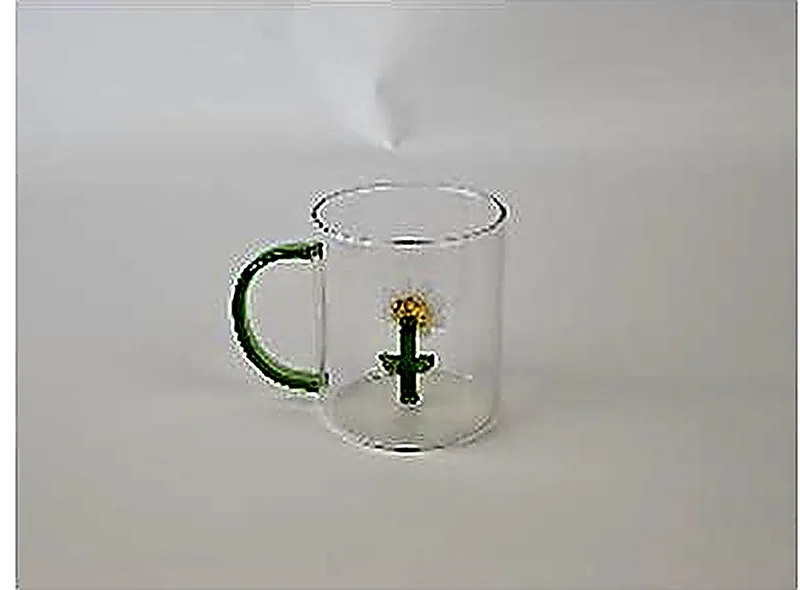
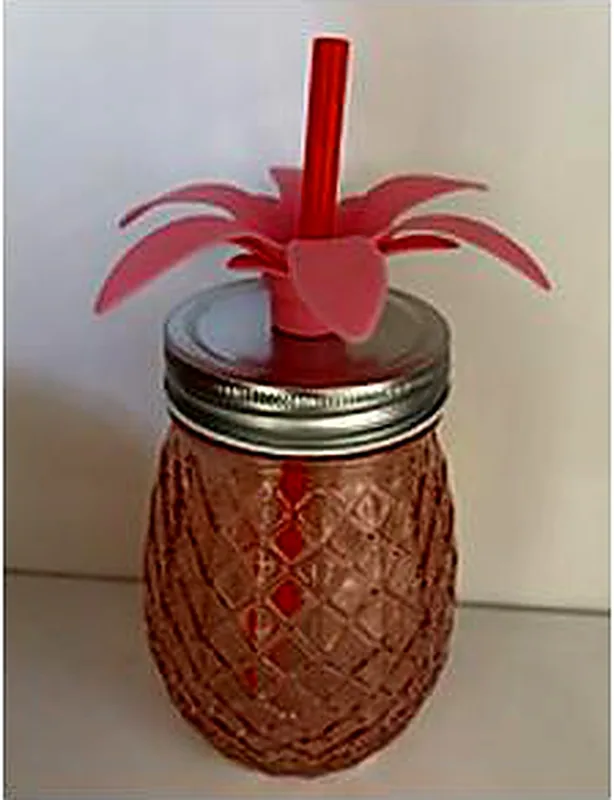
This guide is about the glass end of our drinkware and tumblers range. Three pieces share a clear faceted look and come in tumbler, champagne flute and goblet shapes: Diamond-Cut Glass Tumbler (TVD-2793), Diamond-Cut Glass Flute (TVD-10355) and Diamond-Cut Glass Goblet (TVD-10356). Two are glass mugs with a green handle and hand-made figures: Glass Mug – Turtle Figure (TVD-2794) (turtle) and Glass Mug – Flower Figure (TVD-10357) (flower). The sixth is the Pineapple Glass Drinking Jar (TVD-2815), a 13 x 8 cm glass jar with a metal lid and straw.
Certification status: we hold no certification mark for any of these six items, and none is claimed here. For each one we confirm certification status and supply the documents with the quote, before you order. If you need something in writing for a retailer, a franchisor or a health unit, say so on the quote request and we will list what exists for the exact version you choose.
Why glassware has no "CSA mark" moment
Plugged-in appliances and gas equipment need a recognised mark before an inspector will accept them. A drinking glass does not work that way. It is a consumer product, so the Canada Consumer Product Safety Act applies: products that are a danger to health or safety are prohibited, incidents must be reported and recalls are possible. Health Canada enforces it. On top of that, the Glazed Ceramics and Glassware Regulations set limits on the lead and cadmium that can leach from glassware that contacts food or drink. The Food and Drugs Act adds a general ban on selling food in or with materials that may make it harmful.
Health Canada does not pre-approve kitchenware. That is why buyers lean on test reports instead of marks, and why the documents below matter more than any logo on the box. If you want a refresher on the marks that do apply to electrical goods, the guide to CSA, cUL and cETL marks explains them, but none of those marks applies to plain glass.
Document checklist for the glass range
| Document | Why you want it | Who issues it |
|---|---|---|
| Lead and cadmium leach test report on the finished piece | Shows the glass, handle colour and any decoration meet Canadian limits for glassware that contacts food | An independent test laboratory, requested through the factory |
| Food-contact test report (for example FDA or EU migration tests) | Buyers commonly ask for it; it supports your own due diligence | Test laboratory via the factory |
| Material statement for glass type, lid and straw | Confirms what actually touches the drink, especially on the jar with its metal lid and straw | Factory, confirmed on our written quote |
| Thermal and dishwasher use statement | Decides whether restaurants can run the pieces through a commercial dishwasher or serve hot drinks | Factory; we confirm it per item |
| Bilingual retail label artwork | Prepackaged consumer products need English and French product identity and net quantity plus dealer details | You or your packaging designer; we pass on carton specifications |
| Our quote with certification status | One document that says what is and is not on file, before money moves | Thames Valley Distribution |
Item by item: where the risk sits
Faceted tumbler, flute and goblet
All three are described as clear faceted glass, which is the lowest-risk look from a lead and cadmium point of view because there is no printed or painted decoration to leach. The rule to remember is that decorated rims and printed or metallic decorations near the lip are the known trouble spot. If the version you order has a gold or silver band, a printed pattern or a coloured stem, ask for the lead and cadmium report on that exact version. Between the three, the flute suits sparkling-wine service, the goblet suits table and bar display, and the tumbler is the everyday glass. Because they share one look, a restaurant can ask for one report that covers the set.
Glass mugs with green handles and hand-made figures
The turtle and flower mugs combine clear glass with a green handle and hand-made figures. A coloured handle and any applied figure are the parts to test, since colour and decoration are where heavy metals tend to hide. Hand-made also means each piece varies slightly. Treat that as part of the appeal, but approve a sample and tell your customers; a retailer who expects identical pieces will send returns. Compare the two in the turtle and flower mug guide, which covers how to choose between them.
Pineapple glass drinking jar
Here the glass is only one of three food-contact parts: the metal lid and the straw also touch the drink. Ask what the metal is, whether the lid has a coating, and what the straw is made of. The read-through is in our pineapple jar guide. If a lid is coated or painted, the coating needs its own test statement.
CE and test reports from other markets
A CE mark is not accepted in Canada as proof of compliance for consumer products. A factory that quotes you "CE-tested glassware" has told you nothing that satisfies a Canadian buyer on its own. Food-contact migration reports to FDA or EU methods are useful supporting evidence, and we ask for them, but the Canadian lead and cadmium limits for glassware are the benchmark. Rules change, so confirm current requirements with Health Canada or your customs broker before relying on this guide.
Provinces and customers who ask
- Quebec: labels, instructions and warranty documents must be available in French under the Charter of the French language, and Quebec retailers will ask. Plan French carton and insert artwork early.
- Restaurants and bars, any province: public health inspectors look for equipment that is durable, easy to clean and kept sanitary. A chef or franchisor may also ask what dishwasher cycle the glassware tolerates; get that statement per item.
- Retail: chains often have their own compliance packs for new products. Send the pack with your quote request and we will say which documents can be produced.
What happens if the paperwork is missing
Nothing dramatic at the border by itself, but problems show up later: a retailer declines to list the glassware, a restaurant group rejects the delivery, or a complaint about a chipped or reacting piece turns into an incident report. Under the CCPSA, a product that proves dangerous can be recalled, and the importer carries the cost. An afternoon spent collecting reports before ordering costs far less than a returned container.
How we handle it
- You tell us the items, quantities, destination and who will check the documents.
- We confirm certification status, test reports available, packing method and lead time on a written quote.
- We can arrange samples on most items, normally credited against the first order, so you can check clarity, handle colour and the hand-made figures.
- Payment is 30% deposit and 70% before release; goods from several factories can ride in one consolidated container, which suits a mixed drinkware order. See how ordering works.
Ocean freight from Asia lands at Vancouver or Prince Rupert, roughly two to three weeks port to port, then moves on by rail or truck. Glass is fragile, so ask about carton strength and packing, and remember that liquids and electronics freeze in unheated winter transit. Taxes follow the province of delivery; the sales tax by province guide sets out how GST, HST, PST and QST apply. For deliveries anywhere in the country, start at the Canada delivery hub. This guide is general information, not legal advice.
Other items in the line, including insulated and stainless drinkware, are covered in our metal and insulated drinkware compliance guide.