Product guide ·
Clear Wine Glass (TVD-2008): Wholesale Guide for Restaurants, Caterers and Hotels
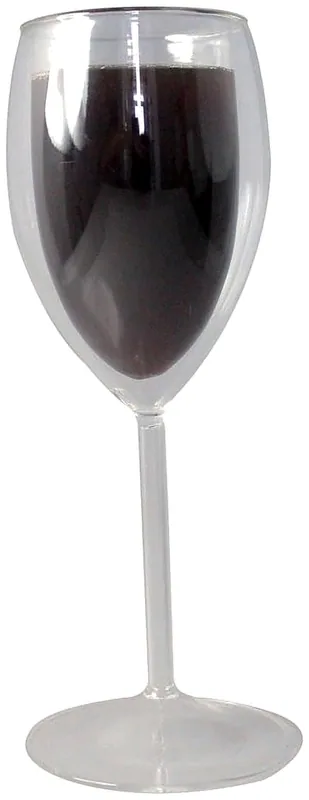
A clear long-stem wine glass with a thin rim for red and white wine. Here is how a volume buyer should specify, pack and reorder it.
The Clear Wine Glass (TVD-2008) is a clear long-stem wine glass with a thin rim, made for red and white wine. Unlike the novelty pieces in our wine and cocktail glassware line, this is a working glass: the one a restaurant buys by the case, a caterer buys by the pallet and a wine bar replaces every few months. This guide focuses on how that kind of buyer should judge it.
Who buys it
Restaurants need a house wine glass that reads as a proper table setting. Caterers and banquet halls need volume and uniformity: every glass the same, every carton the same. Hotels use it for room service and bars, and wine bars choose it for the thin rim. A retailer can sell it in sets for household buyers. The requirement for each is the same: a plain glass that disappears so the wine is the feature, which is why specification detail matters more than design.
What the listed features mean in practice
- Clear long-stem wine glass. Clear glass shows wine colour, which is part of tasting. A long stem keeps warm hands away from the bowl, which matters for white wine, and it makes the glass taller, so check clearance in your dishwasher racks and bar shelving.
- Thin rim glass. A thin rim is the feature wine drinkers notice most. It is also the weak point: thin rims chip more easily than thick ones, so staff handling and rack design matter. Ask for the rim thickness and how the rim is finished.
- Red and white wine. One glass for both simplifies purchasing. A red-specific bowl would be larger, and a white-specific one narrower, so if you need that distinction, confirm the bowl capacity and shape on the quote and compare it with your pour size.
How to specify it: a checklist
- Capacity, overall height, bowl diameter and rim diameter.
- Whether the glass is machine made or hand blown, and what that means for consistency between pieces. Our listing does not say.
- Glass type and grade, as stated by the factory.
- Rim thickness and finish, plus the factory rating for commercial dishwasher use.
- Food-contact test report and a lead and cadmium report. If the version you order has any print, gold band or etching, add that to the report request.
- Packing: dividers, carton size, units per carton and breakage allowance.
- Minimum order, samples and lead time.
How it compares
If your wine list leans toward gift and celebration, the Hand-Painted Wine Glass (TVD-2009) is a gift-style stem glass with hand-painted designs for wedding and party themes; use that for a retail gift table, and the clear glass for service. For novelty serving, the Double-Wall Hidden Wine Glass (TVD-1960) is a wine glass set inside a tall double-wall borosilicate glass, sold as a novelty serving glass, which suits a tasting flight rather than daily service. For a cocktail menu next to your wine list, see the Double-Wall Martini Glass (TVD-1955). Read the hand-painted wine glass guide for the retail angle and the double-wall family guide for the cocktail side.
Canadian use notes
Restaurants in Canada face public health inspection, and glassware that touches drinks is a food-contact product. The Food and Drugs Act prohibits selling food in or with materials that may make it harmful, and the Glazed Ceramics and Glassware Regulations limit lead and cadmium that can leach from glassware that contacts food. Plain clear glass is the simplest case, but if the version you order has decoration near the rim, ask for a report that covers it. No certification mark is on file for this item, and we do not imply one. We confirm certification status and supply the documents with the quote before you order. Our certification guide for the clear wine glass and the wider glassware guide go through the documents. Rules change, so confirm with the authority, your health unit or your customs broker; this is not legal advice.
Winter delivery needs thought. A pallet of long-stem glass that sat on a cold truck should warm up in its sealed cartons. Moving stemware between a hot dishwasher and a cold bar is the usual cause of cracked bowls, so allow glasses to cool before stacking. Thin-rim glass should be stored in racks, never stacked inside each other. Resellers should note that prepackaged consumer products need bilingual English and French product identity and net quantity plus the dealer's details, and Quebec requires French labelling.
Replacement planning
Restaurants lose a share of stemware every season to chips and breakage. Order a breakage allowance with the first container and consider a standing replacement order, since a later production run can differ slightly in capacity or finish. Ask the quote to state whether future batches match the first.
How ordering works
Every order is quoted in writing for your quantity and delivery address: specification, certification status and documents, packing, lead time and delivered cost. Many lines accept low trial minimums, samples are available on most items with the sample cost usually credited to the first order, and goods from several factories can be consolidated into one container. Payment is a 30% deposit and the balance before release. Use the quote request, read how ordering works, see the sales tax by province guide and the landed cost calculator. We deliver across Canada; the wholesale guide and Canadian range give wider context. A free account shows full specifications on the product page.