Certification guide ·
Cocktail and Wine Glasses in Canada: Food-Contact, Lead and Labelling Rules Before You Import
Glassware needs no electrical mark, but it must meet food-contact, lead and cadmium and labelling rules. Here is the document set to ask for.
Wine and cocktail glasses look simple, yet importing them into Canada raises a specific set of questions. Glassware is a food-contact product, many pieces carry paint, tint or printed decoration, and most are fragile. This guide covers the rules a Canadian buyer should check across our whole wine and cocktail glassware line, using nine products as examples. No certification mark is on file for any of them, so everything below is about what you need to ask for and what we confirm on the quote.
Why electrical and gas marks do not apply here
Many importing guides focus on CSA, cUL or cETL marks. Those apply to powered and gas equipment, and our guide to CSA, cUL and cETL marks explains them. A plain drinking glass has no cord, no heater and no gas part, so none of those marks is relevant. Note too that the European CE mark is not recognised in Canada as proof of compliance for consumer products. For glassware, the questions are about food contact, lead and cadmium, product safety and labelling.
The rules that do apply
- Food and Drugs Act. Food must not be sold in or with materials that may make it harmful. Health Canada does not pre-approve kitchenware, so buyers rely on factory test reports.
- Glazed Ceramics and Glassware Regulations. These set limits on lead and cadmium that can leach from glassware that contacts food. Decorated rims and printed or metallic decoration near the lip are a known risk.
- Canada Consumer Product Safety Act. Consumer products must not be a danger to health or safety, incidents must be reported and recalls are possible. Health Canada enforces it.
- Consumer Packaging and Labelling Act. Prepackaged consumer products need bilingual English and French product identity and net quantity, plus the dealer name and place of business.
- Quebec Charter of the French language. Labels, instructions and warranty documents must be available in French.
- Food premises rules. Provincial regulations and local health inspectors expect food equipment to be durable, easy to clean and sanitary. Some inspectors, landlords and franchisors ask for NSF/ANSI or equivalent sanitation certification, so check what yours asks.
Rules change, so confirm with the authority, your health unit or your customs broker. This is not legal advice.
Where the products differ
The pieces we cover here do not all raise the same questions.
| Product | What makes it different | What to ask for |
|---|---|---|
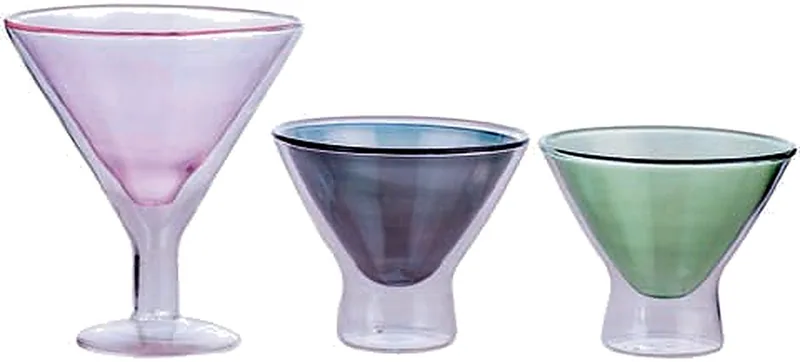
| Double-Wall Martini Glass (TVD-1955) | Pink, grey and green tints | Lead and cadmium report covering each tint |
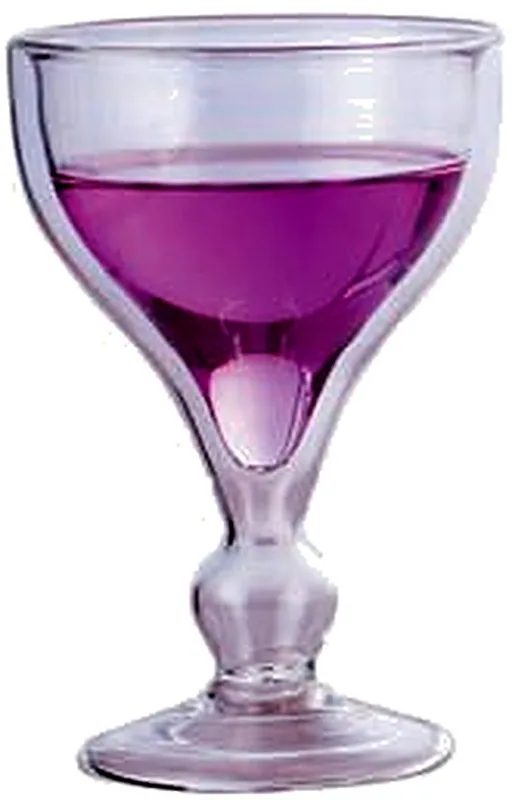
| Double-Wall Cocktail Goblet (TVD-1956) | Tinted inner glass | Report covering the inner glass and rim |
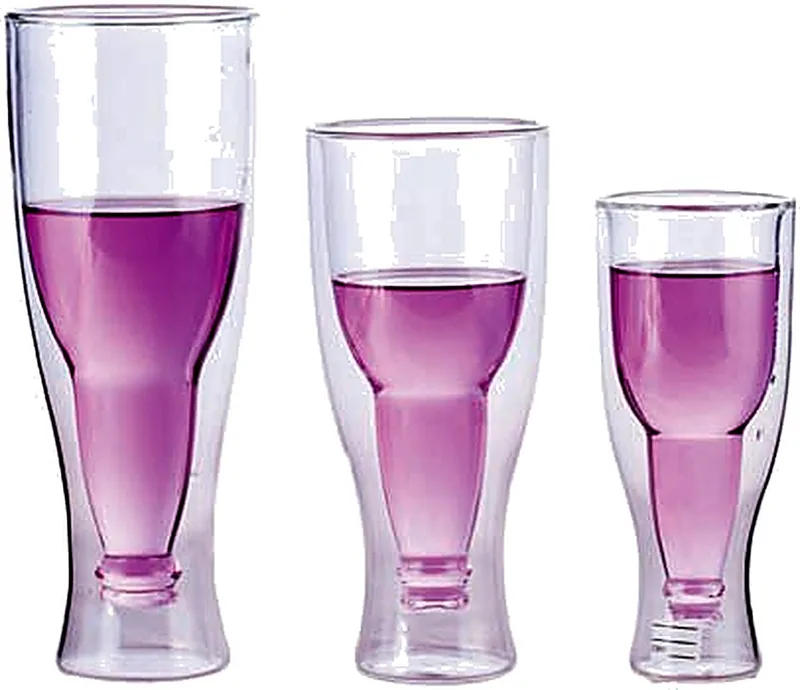
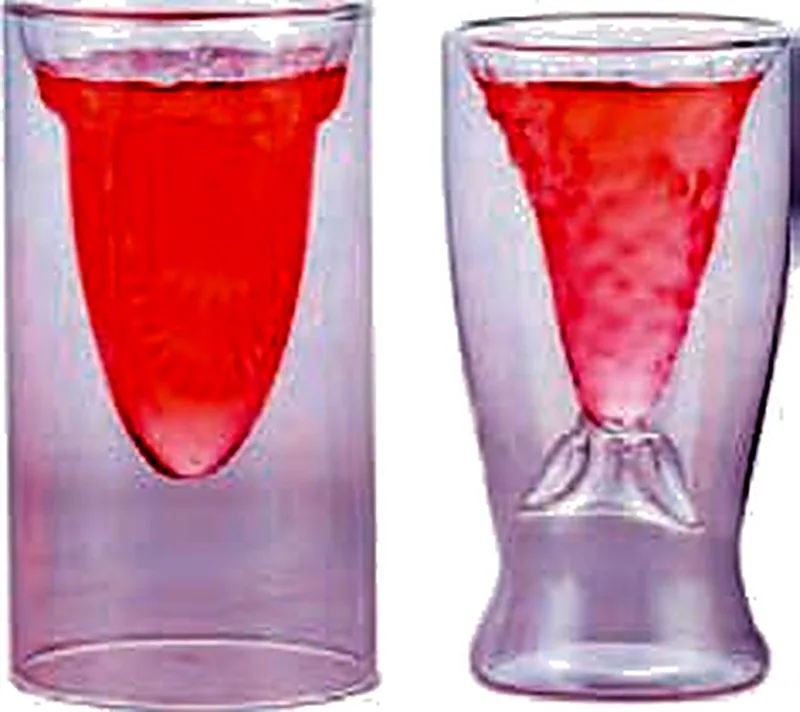
| Double-Wall Hidden Wine Glass (TVD-1960) | Double-wall borosilicate, a glass inside a glass | Material grade and factory rating for temperature change |
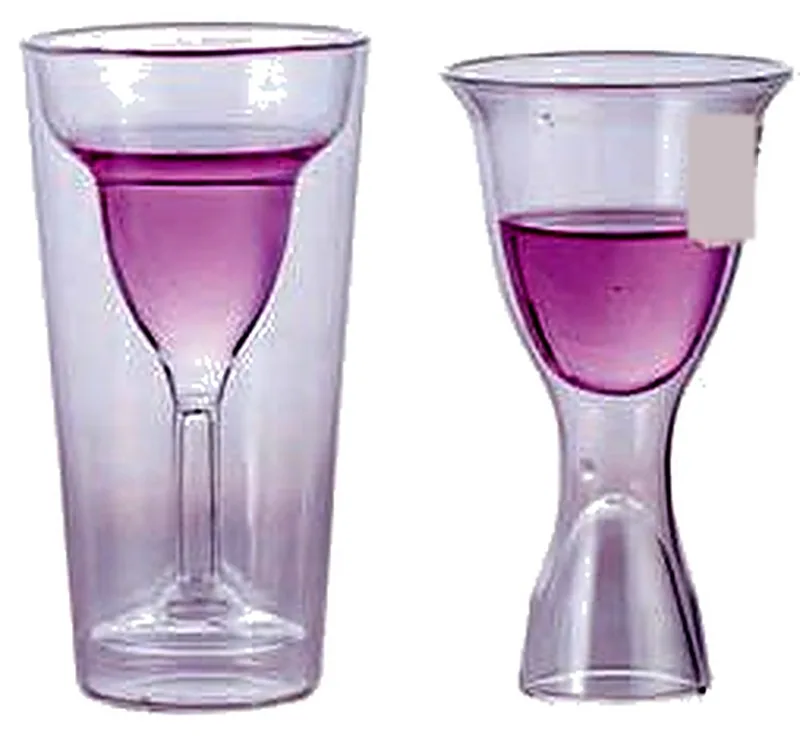
| Double-Wall Mermaid Shot Glass (TVD-1961) | Novelty shot with coloured drink visible | Confirm any coloured or painted part away from the lip |
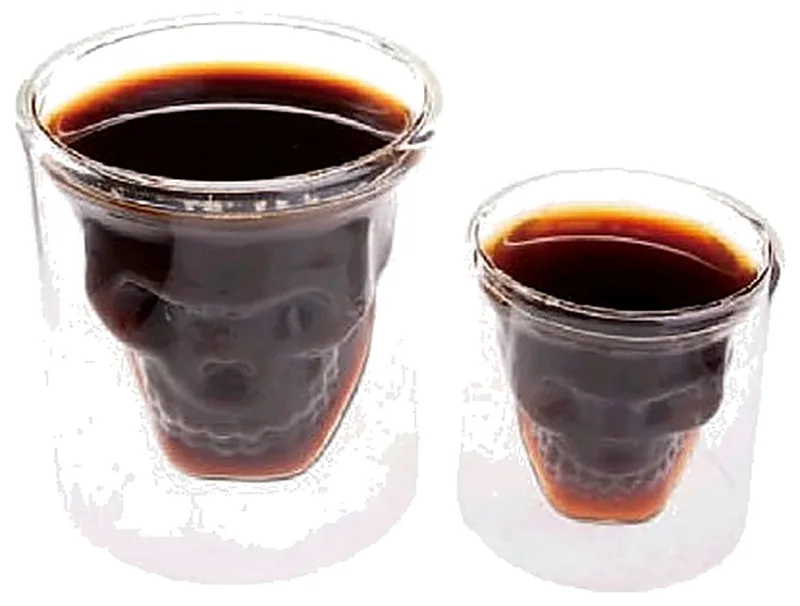
| Skull Shot Glass (TVD-1964) | Thick clear skull-shaped glass | Sizes, capacity per size, edge finish |
| Hand-Painted Wine Glass (TVD-2009) | Hand-painted designs on a stem glass | Where the paint sits relative to the lip, and a lead and cadmium report |
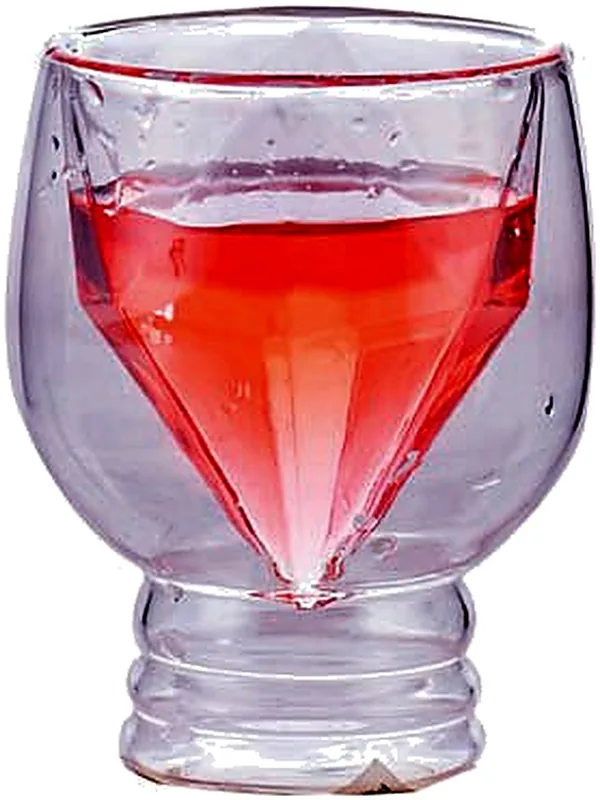
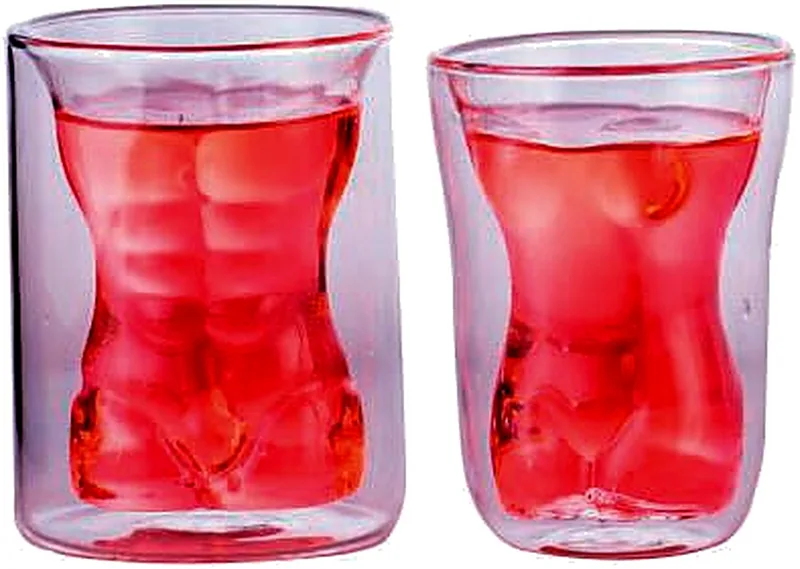
The remaining double-wall shapes, the Inverted Beer Glass (TVD-1959), Diamond Glass (TVD-1962) and Torso Glass (TVD-1963), follow the same document set as the others. See the double-wall martini glass collection guide for how to choose between them.
Document checklist
| Document | Why you need it | Who issues it |
|---|---|---|
| Lead and cadmium test report | Shows glassware that contacts food stays within Canadian limits, especially on tints and decoration | Independent test laboratory, requested through the factory |
| Food-contact test report | Supports your own due diligence and your health inspector or landlord | Factory or test laboratory |
| Material and grade statement | Confirms borosilicate or other glass type where stated | Factory |
| Bilingual retail label artwork | Product identity, net quantity and dealer details in English and French | You or us, agreed before production |
| French instructions or insert | Needed for Quebec sale | Agreed with us before ordering |
| Tariff classification | Duty depends on the HS code and origin | Our customs broker |
What happens when a document is missing
A glass without a test report is a risk for you rather than a legal technicality. A health unit can ask for evidence of food-contact safety, a franchisor can refuse a supplier without it, and a retailer will not list a decorated glass without lead and cadmium paperwork. If a consumer product is found to be a danger, a recall under the Canada Consumer Product Safety Act is the worst case.
Fragile freight and breakage
Stemmed and double-wall glass breaks in transit. Ask for set packaging with dividers, carton size and carton quantity before you order, and drop-test one sample carton. In winter, cartons can arrive very cold; let them come to room temperature before unpacking. Factory glass can have thin rims and sharp edges, so inspect on arrival.
Duty, tax and how we handle it
Import duty depends on the tariff classification and origin, and GST, HST, PST or QST apply per the province of delivery; our sales tax by province guide explains the difference. Our customs broker confirms classification before we quote a delivered cost, and the landed cost calculator lets you estimate the full picture. On every quote we confirm certification status and supply the documents before you order, with packing, lead time and delivery to your address. Payment is a 30% deposit with the balance before release, and samples are available on most items. See how ordering works and send your list through the quote request.
For wider context, see our Canadian range of home kitchen and tableware and the wine and cocktail glassware wholesale guide. A free account shows full specifications on each product page.