Product guide ·
Dessert Cup, Plain (TVD-4134) and Five Footed Dessert Cups: How to Choose
Six footed pressed-glass dessert cups, one shared specification, six looks. Here is how a café, caterer or shop can choose between them and order a sensible mix.
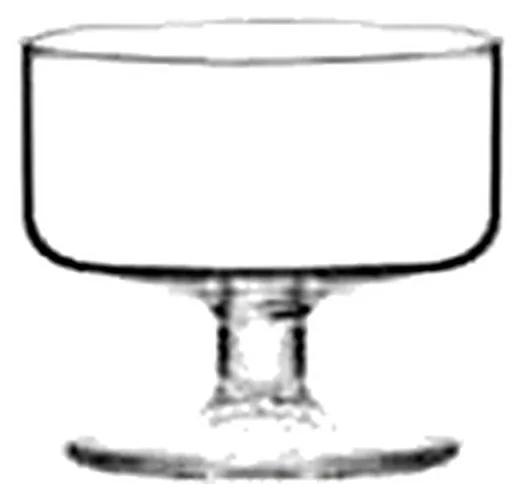
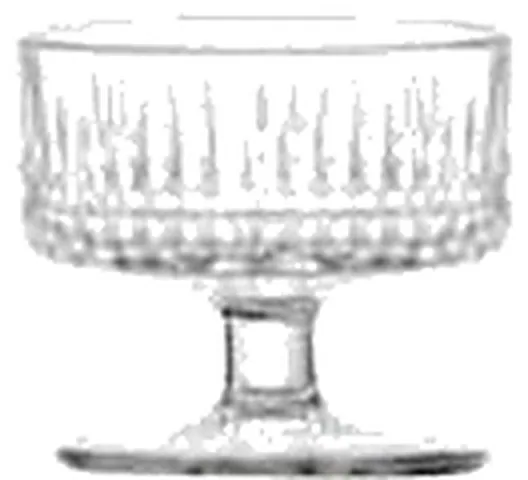
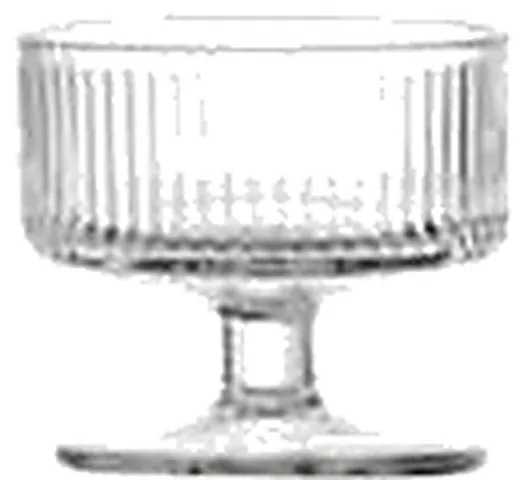
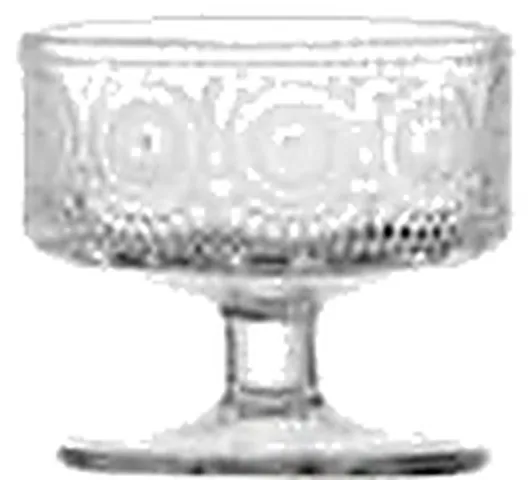
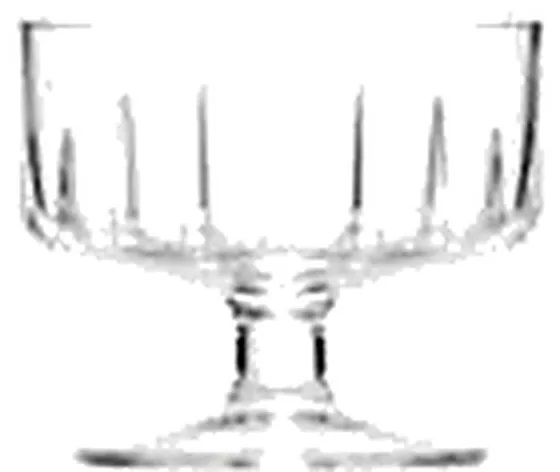
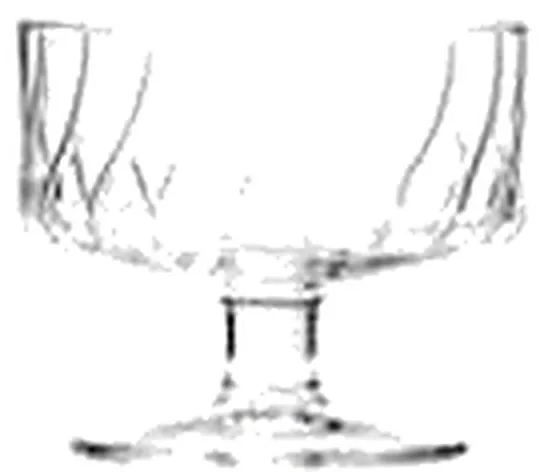
Footed dessert bowls are bought for the plate they make, so the pattern is the whole decision. Dessert Cup, Plain (TVD-4134) and five sister products share one specification in our product listing: machine-pressed footed bowls, in clear and cut-pattern designs, with many capacities in the range. They are Dessert Cup, Plain (TVD-4134), Dessert Cup, Spiked Rib (TVD-10792), Dessert Cup, Fluted (TVD-10793), Dessert Cup, Medallion (TVD-10794), Dessert Cup, Tall Flute (TVD-10795) and Dessert Cup, Faceted (TVD-10796). The listing does not give separate capacities, so exact sizes are confirmed on your written quote.
What a footed pressed bowl is good at
A foot lifts the dessert off the table, which gives a plated sweet some height and makes the bowl easy to pick up. Pressed construction means the glass is formed in a mould, so the cut-style pattern is built into the bowl and the walls tend to be sturdy. For a kitchen that sends out a hundred portions of the same dessert, that sturdiness and repeatability matter more than fine blown glass.
The six bowls compared
| Code | Name | Why a kitchen might choose it |
|---|---|---|
| TVD-4134 | Plain | Lets a layered dessert show; the neutral choice |
| TVD-10792 | Spiked Rib | A textured bowl that gives a plain scoop a finished look |
| TVD-10793 | Fluted | Soft vertical lines suited to cream-based desserts |
| TVD-10794 | Medallion | A centred motif, good for display cases |
| TVD-10795 | Tall Flute | Height for parfaits and trifles; check capacity on the quote |
| TVD-10796 | Faceted | A cut-glass look for formal occasions |
The listing says clear and cut-pattern designs but does not tie one to another, so we confirm which code is which design. Because the specification is shared, differences are visual; request a sample of two bowls and fill them with your real dessert before you decide.
Which buyer should take which
- Cafés and bakeries: Plain or Fluted for cheesecake, mousse and panna cotta that you plate in house.
- Ice-cream parlours: Spiked Rib or Medallion for sundaes where the bowl is visible to the customer.
- Caterers and banquet halls: Plain or Faceted in large counts for plated-dinner finishes, with Tall Flute for parfait stations.
- Hotels: Faceted for room-service desserts, Plain for the breakfast buffet fruit and yoghurt bar.
- Discount and variety chains and gift shops: a matched six-pattern shelf lets customers choose by look.
Building an order across the six
Most kitchens settle on one hero bowl and one occasional bowl. Order the hero in volume and the occasional style in a small count, and put both on one quote. Minimums can apply to each code, so ask for them. Since all six share one specification, your documents and test reports can be requested together. Send the codes and counts through the quote request.
Canadian use notes
Dessert bowls usually go through the dishwasher stacked, so ask the factory how the foot and bowl behave under repeated washing; dishwasher suitability is not stated in our listing. Frozen desserts such as ice cream go straight from freezer to bowl, so ask about thermal shock rather than assuming a rating. Cartons shipped in winter should come to room temperature before unpacking. Quebec retail packs need French labelling in addition to English. For delivery timelines and city notes, see our Canada delivery hub and the tableware in Canada page.
Rules and documents
These bowls contact food. The Glazed Ceramics and Glassware Regulations limit lead and cadmium that can leach from glassware that contacts food, and decorated rims, prints or metallic decoration near the lip are a known risk; a moulded pattern is not an applied decoration, but a gold band or printed logo would be. The Food and Drugs Act prohibits selling food in or with materials that may make it harmful, and Health Canada does not pre-approve kitchenware, so buyers commonly ask for food-contact test reports. Boxed retail sets need bilingual product identity and net quantity plus dealer name and place of business. No certification mark is on file for any of the six, and we confirm certification status and supply the documents with the quote before you order. Electrical rules do not apply unless a version had a powered part. Rules change, so confirm with the authority or your customs broker. Our glassware compliance article covers the details.
Other glass to compare
For a glass that serves drinks and sweets, see Juice Cups & Dessert Coupes (TVD-4127). For champagne coupes, see Pressed Champagne Coupes & Flutes (TVD-4135). For glass pitchers that suit a dessert and drinks service, see Glass Pitchers with Lid (TVD-2789).
How ordering works
Every order is quoted in writing: specification, certification status and documents, packing, lead time and delivered cost to your address. Many lines have low trial minimums, samples are available on most items with the cost usually credited to the first order, and products from several factories can share one consolidated container. Payment is 30% deposit and 70% before release. Start with the quote request, read how ordering works, and check the sales tax by province guide.
The full glassware line page and the landed cost calculator will help you plan quantities and a delivered total.