Certification guide ·
Restaurant Glassware in Canada: Import Rules, Food-Contact Tests and Documents
Glassware has no single certification mark, so compliance means evidence: food-contact reports, lead and cadmium results and correct labels. Here is how the requirements change from stemware to gift sets to storage jars.
No mark to look for, so know the evidence to ask for
Restaurant glassware sold into Canada is not covered by the electrical and gas marks that govern cooking equipment, and none of the products in our Glassware & Drinkware line has a certification mark on file. That does not mean there are no rules. It means a buyer proves suitability with documents. We confirm certification status and supply the documents with the quote before you order, and the full specifications on each product page are visible to signed-in buyers with a free account. Rules change, and this guide is not legal advice, so confirm the current position with the relevant authority, your health inspector or a customs broker.
The rules that matter fall into four groups: food-contact materials, lead and cadmium limits for glassware, product safety in general, and labelling. Which group dominates depends on the product, so the rest of this guide works through representative pieces of the line.
The four rules, in plain words
- Food and Drugs Act. It prohibits selling food in or with materials that may make it harmful. Health Canada does not pre-approve kitchenware, although it offers voluntary Letters of No Objection for food packaging materials. Buyers commonly ask the factory for food-contact test reports, for example FDA or EU migration tests.
- Glazed Ceramics and Glassware Regulations. Under the Canada Consumer Product Safety Act they set limits on lead and cadmium that can leach from glassware that contacts food. Decorated rims and printed or metallic decoration near the lip are a known risk, so ask for a lead and cadmium test report.
- Canada Consumer Product Safety Act. It prohibits products that are a danger to human health or safety, requires incident reporting and allows recalls.
- Consumer Packaging and Labelling Act. Prepackaged consumer products need bilingual English and French product identity and net quantity, plus the dealer's name and place of business. In Quebec, the Charter of the French language also requires labels, instructions and warranty documents to be available in French.
How the rules differ between products
Plain stemware
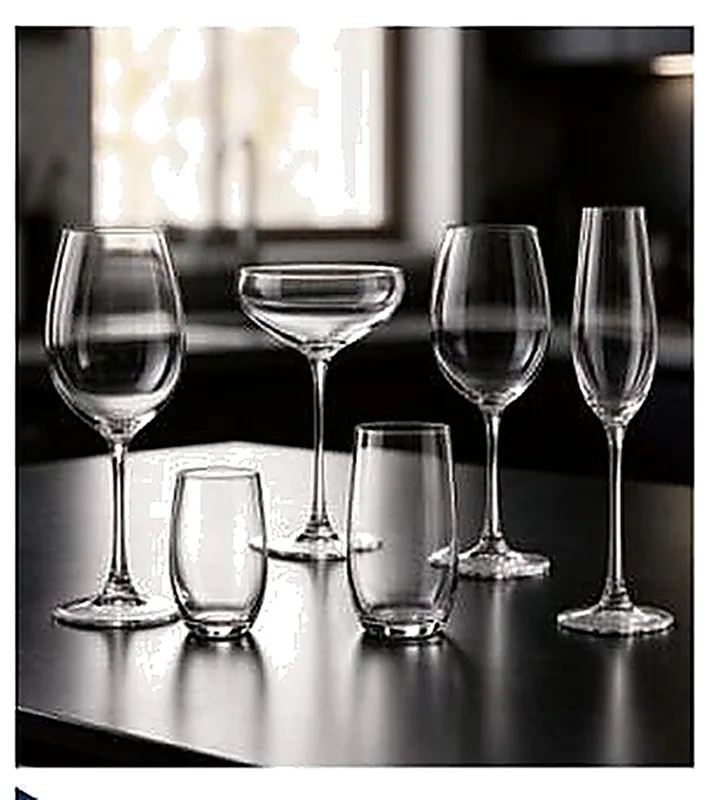
Premium Dining Stemware (TVD-4119) covers wine, champagne, coupe and cocktail shapes in clear glass with minimalist shapes. With no decoration in the listed features, the core evidence is a food-contact report and a lead and cadmium result for the glass. The buyer questions are mostly about strength and washing; see our TVD-4119 buying guide.
Patterned and embossed glass
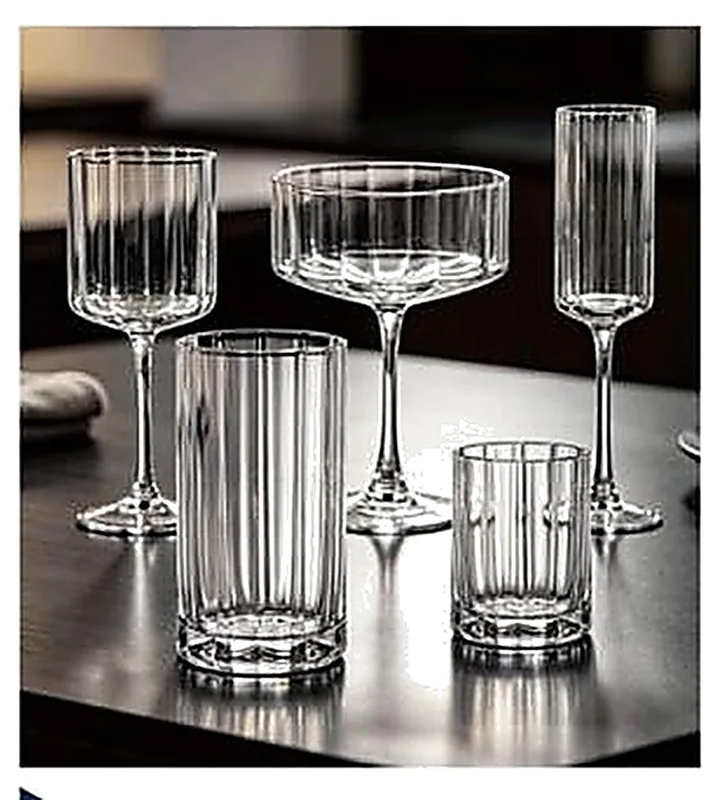
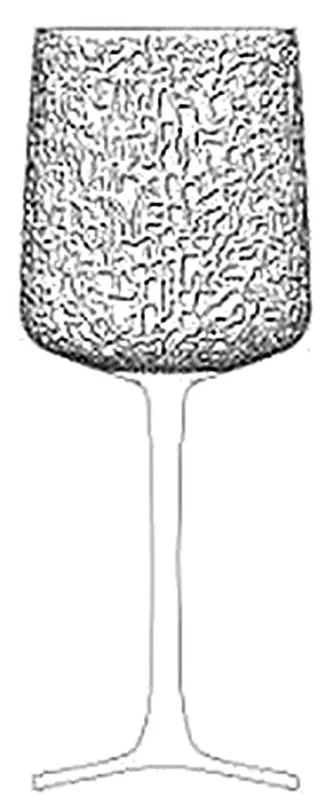
Fluted Glass Tumblers & Coupes (TVD-4120) have a vertical flute pattern, and Textured Wine Glass, Speckle (TVD-4126) has embossed and ribbed patterns. Texture moulded into the glass is not the same as printed decoration. If the pattern is formed in the glass, it is the glass itself that gets tested; if any colour or coating is applied, that adds a lead and cadmium question. Ask the factory to say which one the pattern is. Patterned glass is also harder to clean thoroughly, and health inspectors look at cleanability.
Small pressed pieces
Liqueur Glass, Tall Bowl (TVD-4136) belongs to a pressed shot glass series that also includes ashtrays and ice buckets. Shot and liqueur glasses are small and heavy-based, with thick pressed glass. Ask for lead and cadmium results that cover the exact glass, because small drinking vessels are handled by many guests. The ashtrays in the same series do not touch food, so they follow general product safety rather than food-contact rules.
Gift sets for retail
Glass Gift Sets – Boxed (TVD-4139) are boxed glass and coaster sets, with wine, whisky and juice sets in retail gift packaging. Here labelling becomes the main issue. A prepackaged consumer product needs bilingual product identity and net quantity and the dealer's name and place of business on the box. Quebec retailers add French on labels and instructions. Coasters in a set may be a different material from the glass, so ask what they are made of.
Storage jars with bamboo lids
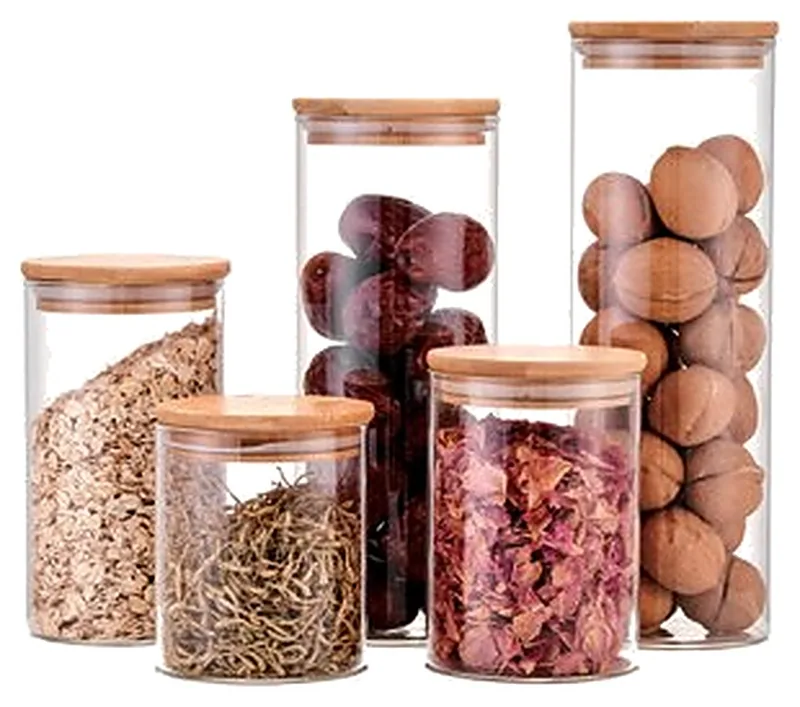
Glass Storage Jars with Bamboo Lids (TVD-2787) are clear glass jars with bamboo lids in four sizes, tall to short. The lid brings the bamboo rule into play: bamboo and wood items need food-contact tests on finishes and glues, and melamine-bamboo blends are not for microwave use. Ask what the lid finish is before you stock the jars for dry food.
Document checklist for glassware
| Document | What it shows | Who issues it | Most relevant to |
|---|---|---|---|
| Food-contact test report | Migration from the material under test | Accredited lab through the factory | Every drinking or serving piece |
| Lead and cadmium report | Compliance with glassware limits | Accredited lab through the factory | Any decorated, coloured or metallic-rim piece |
| Material and grade statement | Glass type, lid or stopper material | Factory, confirmed on our quote | Jars, jugs, lidded items |
| Heat, dishwasher and freezer ratings | What the factory permits | Factory, confirmed on our quote | Cups, jugs, double-wall pieces |
| Bilingual label proof | Identity, net quantity, dealer details | You and us, before print | Gift sets, retail packs |
| Certification status statement | States what is and is not on file | Thames Valley Distribution, with the quote | All products |
Differences you notice between products
- A clear, undecorated tumbler has the lightest paperwork: glass test plus lead and cadmium.
- A decorated or coloured piece adds the question of what the colour or print is made of.
- A piece with a lid or stopper, such as Glass Pitchers with Lid (TVD-2789), adds a second food-contact material.
- A double-wall piece, such as Double-Wall Glass Cups (TVD-2788), adds a heat-rating question.
- A non-drinkware piece, such as Clear Glass Tubes (TVD-2792), depends entirely on the stated end use. Food use is unconfirmed unless the quote says otherwise.
- A stretch-formed piece such as Stretch-Formed Juice & Goblet Glasses (TVD-4123) raises construction questions rather than extra compliance ones.
For a family of near-identical glasses see the stemmed glass collection.
What happens when evidence is missing
A health inspector may question glassware that no one can document, especially after a chipped or decorated piece. A retail buyer, marketplace or franchisor may refuse to list items with no food-contact or lead and cadmium report. A customs delay can follow if the goods are described differently from what is in the carton. And if a complaint becomes an incident, the Canada Consumer Product Safety Act expects reporting, and recalls are possible. Having the documents before you order is cheaper than finding out afterward.
Provincial and regional notes
Provincial food premises regulations and local public health inspectors require food equipment that is durable, easy to clean and kept sanitary, and many landlords and franchisors set their own requirements, so check what yours ask. Quebec adds French-language rules. For coastal buyers, our British Columbia restaurant glassware guide covers freight and tax, and the other line-wide guide at glassware and drinkware compliance takes a general view. Duty depends on tariff classification and origin, and our customs broker confirms classification before we quote a delivered cost. Sales tax follows the delivery province: see the sales tax guide.
How we handle it
Send the products, quantities and delivery address through the quote request. We ask the factory for the reports listed above, confirm which apply to each product, and put certification status and documents in the written quote along with packing, lead time and delivered cost. Samples are available on most items, and the sample cost is usually credited to your first order. Payment is a 30% deposit and 70% before release. Read how ordering works and browse the full Glassware & Drinkware line.