Certification guide ·
Restaurant glassware certification in Canada: wine, beer, whisky and pressed glass
Plain drinking glass has no certification mark to look for, but it still has food-contact, lead and cadmium, and labelling questions. Here is what to ask for before you order.
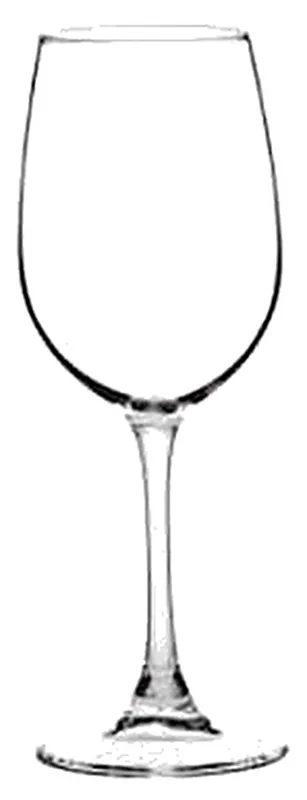
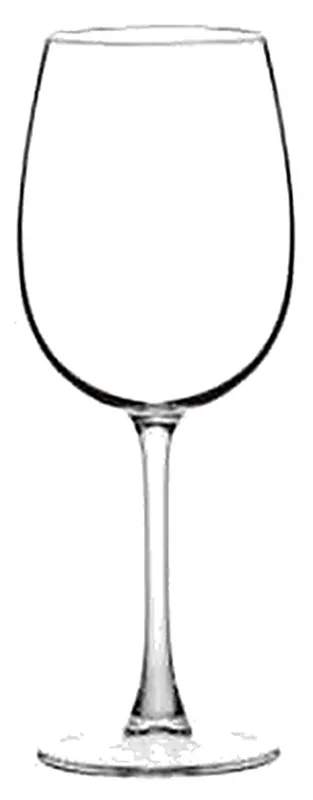
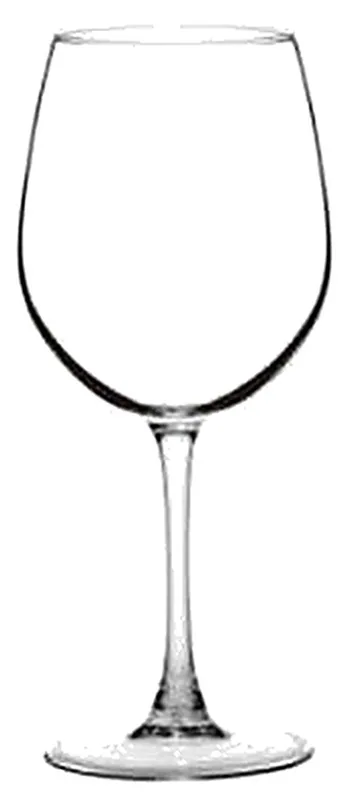
Glass is one of the easier materials to bring into a Canadian restaurant, but "easier" is not "no paperwork". This guide covers the wine, flute, tumbler, beer, whisky and pressed stemware products in our Glassware & Drinkware line, starting with Red Wine Glass, Size 1 (TVD-4124) and its six sister sizes, and explains which Canadian rules touch each type of glass. No certification mark is on file for any of these products, so nothing here should be read as a claim that they are certified, approved or compliant. We confirm certification status and supply the documents with the quote before you order.
Start with the right question: what is the glass in contact with?
A drinking glass has no plug, no battery and no heating element, so the electrical marks covered in our CSA, cUL and cETL guide do not apply to plain glassware. If a version you are shown is lit, motorised or battery powered (a light-up serving piece, for example), it moves into different territory: mains-plugged items need a Canadian electrical certification mark, and battery-only items follow general consumer product safety. For the clear, unpowered glasses described here, the questions that matter are all about food contact and about what a retailer or inspector will ask for.
The Food and Drugs Act prohibits selling food in or with materials that may make it harmful. Health Canada does not pre-approve kitchenware, so there is no federal approval stamp to look for on a wine glass. What buyers do instead is ask the factory for food-contact test reports, commonly migration tests to a US or European food-contact method, and keep them on file in case a health inspector, a landlord or a franchisor asks.
The glass and ceramic limits that matter most
The Glazed Ceramics and Glassware Regulations, made under the Canada Consumer Product Safety Act, set limits on lead and cadmium that can leach from glazed ceramics and glassware that contact food. Plain clear glass is the low-risk end of that spectrum. The risk rises with decoration: printed patterns, coloured bands, and metallic or gold decoration near the lip, where the mouth touches the glass. If a stemware, tumbler or dessert-cup version you are shown carries any decoration at or near the rim, ask for a lead and cadmium test report specific to that decoration, not a general glass report.
Moulded patterns are different from printed ones. Several of our products, such as the Whisky Tumbler, Banded (TVD-4131) family, are described as machine-pressed patterned glass, which means the pattern is shaped into the glass itself. That is a design feature, not a coating, but the quote should still state whether any version carries a printed or applied finish.
What differs between the glass types in this line
| Glass type | Examples in the line | What the make means for your paperwork and handling |
|---|---|---|
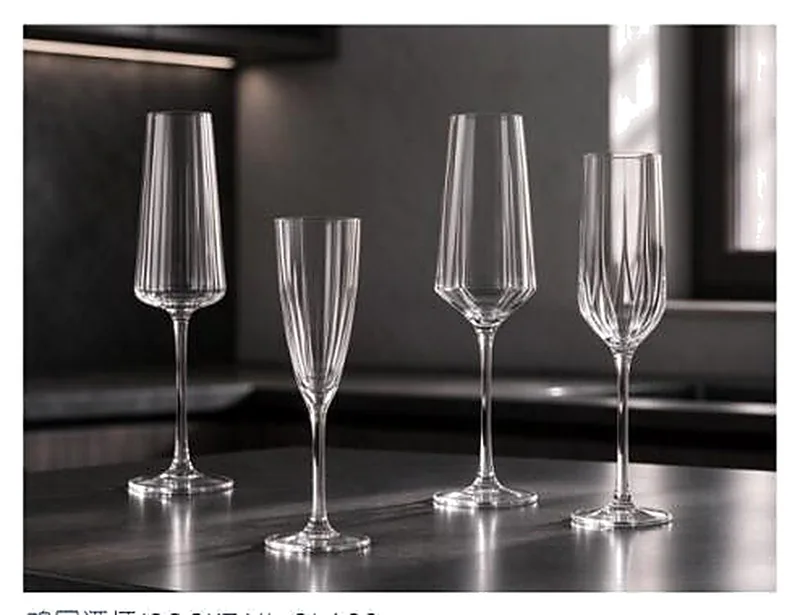
| Machine-made, two-piece jointed stemware | Red Wine Glass, Size 1 (TVD-4124), Champagne Flutes & Cocktail Glasses (TVD-4125) | Bowl and stem are joined, so ask where the joint sits and how the factory tests it; the join is where washing stress shows first. Food-contact report covers the glass only. |
| Machine-blown clear glass | Machine-Blown Tumblers & Water Glasses (TVD-4129), Round Beer Tumbler (TVD-4130) | Thin, light walls suit high turnover but chip at the rim; confirm rim finish and carton protection. Tall slim beer shapes need height confirmed for your coolers. |
| Machine-pressed patterned glass | Whisky Tumbler, Banded (TVD-4131), Pressed Stemware & Shot Glasses (TVD-4132) | Pattern is moulded in, so there is usually no printed layer; confirm that on the quote and ask whether any version has a decoration near the lip. |
| Machine-pressed footed bowls | Dessert Cup, Plain (TVD-4134), Dessert Cup, Spiked Rib (TVD-10792) | Clear and cut-pattern designs; cold dessert use is typical, so ask the factory for any temperature-use claim in writing rather than assuming one. |
| Pressed champagne glasses | Pressed Champagne Coupes & Flutes (TVD-4135) | Plain and cut-pattern styles, with a new welding-stem coupe design; ask for stem strength and breakage rates on the quote. |
Documents to ask for before you order
| Document | Why you want it | Who issues it |
|---|---|---|
| Food-contact test report for the glass | Shows the material was tested for migration for the market it ships to | The factory or an independent test lab |
| Lead and cadmium test report | Supports the Glazed Ceramics and Glassware Regulations limits, especially if there is any decoration near the rim | Test lab, ideally naming the exact product code |
| Material and grade statement | Tells you if you are buying soda-lime, borosilicate or another glass, which changes heat claims | Factory, confirmed on our written quote |
| Bilingual retail packaging proof | Prepackaged consumer products need English and French product identity and net quantity, plus dealer name and place of business | Packaging artwork approved before production |
| Factory use claims (dishwasher, oven, microwave, freezer) | Only usable if stated in writing; never assumed from the shape | Factory, repeated on the quote |
| Carton quantity and size | Drives freight space, shelf-ready packing and breakage allowance | Factory packing list through us |
CE marks, Quebec and other provincial points
Canada does not recognise the European CE mark as proof of compliance for electrical, gas or consumer products. A CE logo on a carton of glasses therefore tells you very little in Canada. If a factory offers a CE document, treat it as one more data point, and still ask for the food-contact and lead and cadmium reports above. In Quebec, product labels, instructions and warranty documents must be available in French, with French at least as prominent as English, and retail buyers there will ask for it on packaged glassware sets. Provincial health units set their own food-premises expectations, and some landlords and franchisors go further, so ask your health unit and landlord what evidence they want. For a restaurant on the West Coast, our British Columbia restaurant glassware guide adds freight and delivery notes.
What happens if the paperwork is missing
For glass, the usual failures are commercial, not legal on day one. A grocery or home-goods chain may refuse to list a set without bilingual packaging. A franchisor may reject glasses with no test report on file. Under the Canada Consumer Product Safety Act, a product that is a danger to health or safety can be recalled, and incidents must be reported, so keep your factory documents together with your purchase orders. Rules change, so confirm current requirements with Health Canada, your health unit, or your customs broker. This is not legal advice.
How we handle it
Every product in this line is quoted in writing. The quote sets out the quantity, the specification, the certification status and documents available, packing, lead time and delivered cost to your address. Samples are available on most items, and sample cost is usually credited to the first order. Payment is 30% deposit, 70% before release. If you are building a mixed order, the glassware wholesale guide and the ordering page explain consolidation, and you can send your list through the quote form. The sales tax guide covers GST, HST, PST and QST by delivery province. Our customs broker confirms tariff classification before a delivered cost is quoted.
Related reading: the first Glassware & Drinkware compliance guide, the single-product notes for TVD-4125, TVD-4129, and the collection guides for the red wine glass sizes, the beer tumbler family, the whisky tumblers and pressed stemware and shot glasses.