Certification guide ·
Double-Wall Glass Teapots: Canadian Rules, Test Reports and Import Paperwork
A teapot holds boiling water, which changes the questions a Canadian buyer asks. This guide sets out what applies to TVD-1967 and what to request before you order.
Where TVD-1967 stands today
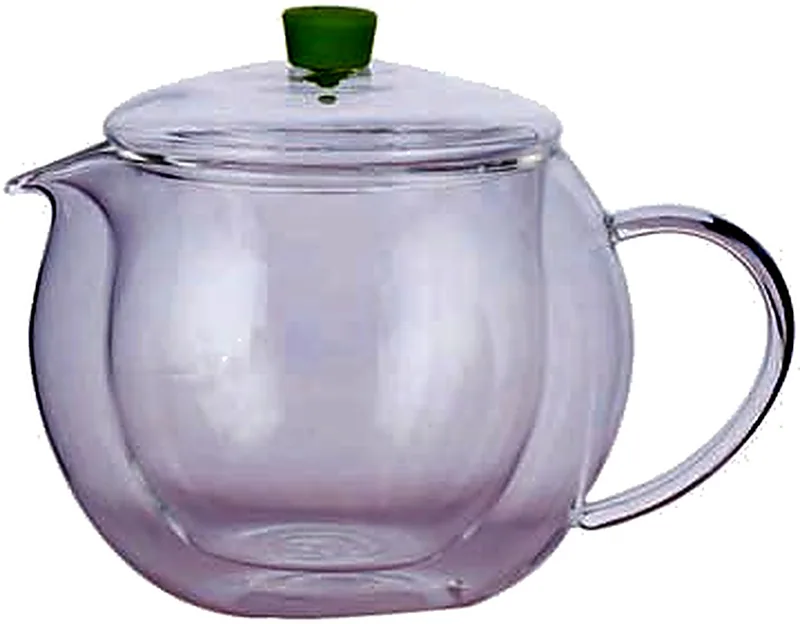
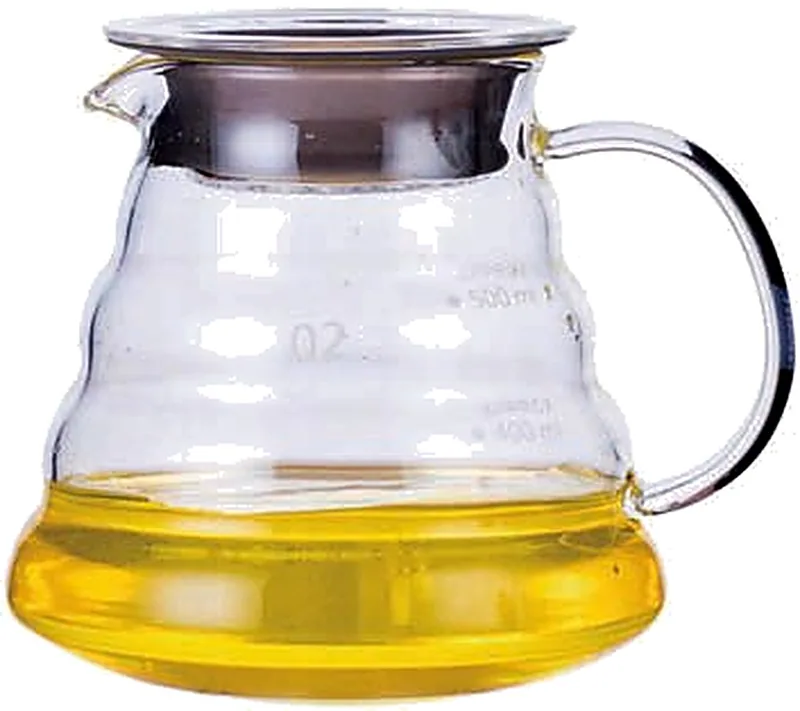
TVD-1967, the Double-Wall Glass Teapot, has a double-wall glass body, a glass lid and an easy-pour spout, and is made so hot tea stays warm longer. We hold no certification mark for it. That means we do not describe it as certified, listed or compliant with any named standard. Before you order we confirm certification status and send whatever documents exist with the quote. For the buying and specification side, see the wholesale guide for this teapot.
Why a "CSA teapot" search can mislead
People type "glass teapot CSA" because they know Canadian electrical safety marks from kettles and lamps. In Canada, electrical equipment has to carry a mark from a body accredited by the Standards Council of Canada (CSA, cUL and cETL are examples), and provincial safety authorities enforce it; the guide to those marks explains the small "c". A glass teapot with a lid and no heating element is not an electrical product. Where a set includes a powered part, that part follows the electrical rules, and we flag it on the quote.
The rules that bite for a teapot are about hot-liquid use, food contact and glass.
What applies to a hot-drink glass teapot
- Food and Drugs Act. Selling food in or with materials that may make it harmful is prohibited. Health Canada does not approve kitchenware in advance. Tea shops and cafés therefore ask the factory for migration test reports, often to FDA or EU food-contact methods.
- Glassware regulations. The Glazed Ceramics and Glassware Regulations under the Canada Consumer Product Safety Act cap the lead and cadmium that can leach from glassware that contacts food. A plain clear teapot is the simple case. Painted, printed or metallic decoration near the rim or spout is where buyers ask for a lead and cadmium report.
- Consumer product safety. The Canada Consumer Product Safety Act bans products that are a danger to health or safety, requires you to report incidents and lets Health Canada order recalls. For a teapot, the realistic concerns are glass breaking under thermal stress and burns from handling hot glass.
- Consumer Packaging and Labelling Act. A boxed teapot sold at retail needs bilingual identity and net quantity and the dealer's name and place of business.
The product description makes a heat claim: tea stays warm longer. It does not say the pot can sit on a stovetop or warmer. Our buying tip for this whole line is to confirm that before you promise it to customers, because not all glass pots can. Put the factory's wording on your label and your staff sheet.
Document checklist
| Document | Why it matters | Who issues it |
|---|---|---|
| Food-contact migration report, glass and lid | Evidence the pot is fit for hot drinks; retailers and tea-shop chains request it | Third-party lab via the factory |
| Lead and cadmium report | Glassware limits, especially for decorated pieces | Third-party lab via the factory |
| Heat and thermal shock statement | Backs any claim about boiling water, stovetops or warmers | Factory, confirmed on our quote |
| Glass type and construction statement | Confirms the body and lid materials and the double-wall build | Factory |
| Bilingual retail label proof | Identity, net quantity, dealer name and place of business in English and French | You, with our proofing before print |
| French care instructions (Quebec) | Charter of the French language: French available and at least as prominent | You or us, agreed on the quote |
| Tariff classification | Duty depends on classification and origin | Our customs broker |
CE and other foreign marks
Canada does not accept the European CE mark as proof of compliance for consumer products. If a factory says the teapot has a European food-contact certificate, treat it as a useful test result and ask for the report. We list what the factory sends, and your buyer decides whether it satisfies their specification.
Differences across Canada
Quebec requires French on labels, manuals and warranty papers. Other provinces rely on the federal bilingual packaging rule at retail. If you serve tea in a licensed premises, your local public health unit sets the expectations for the equipment you use; many ask for sanitation certification on commercial food equipment, but whether a glass teapot falls under that depends on the health unit and the landlord or franchisor, so ask them directly.
If the paperwork is missing
- A retailer or café group may decline the product at listing.
- A pot that cracks in service can lead to injury claims and, if it is a pattern, a recall.
- French-less labelling can hold up Quebec shelves.
- An unexplained heat claim on the packaging can make you responsible for it.
How we handle it
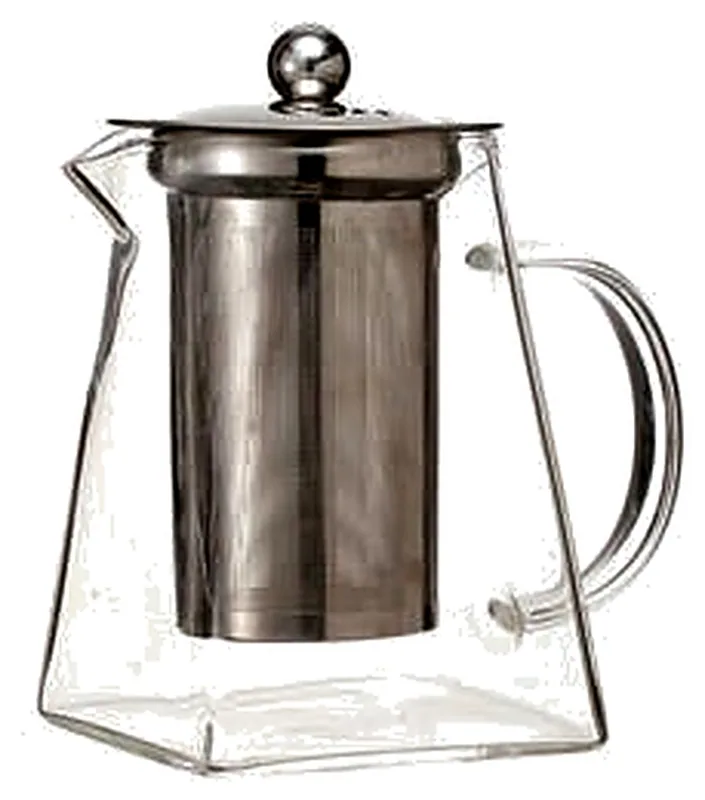
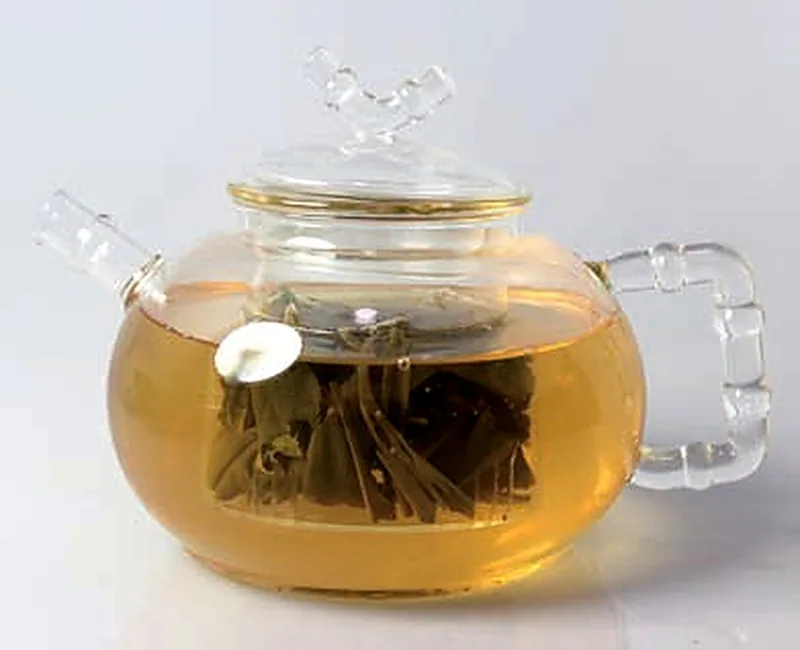
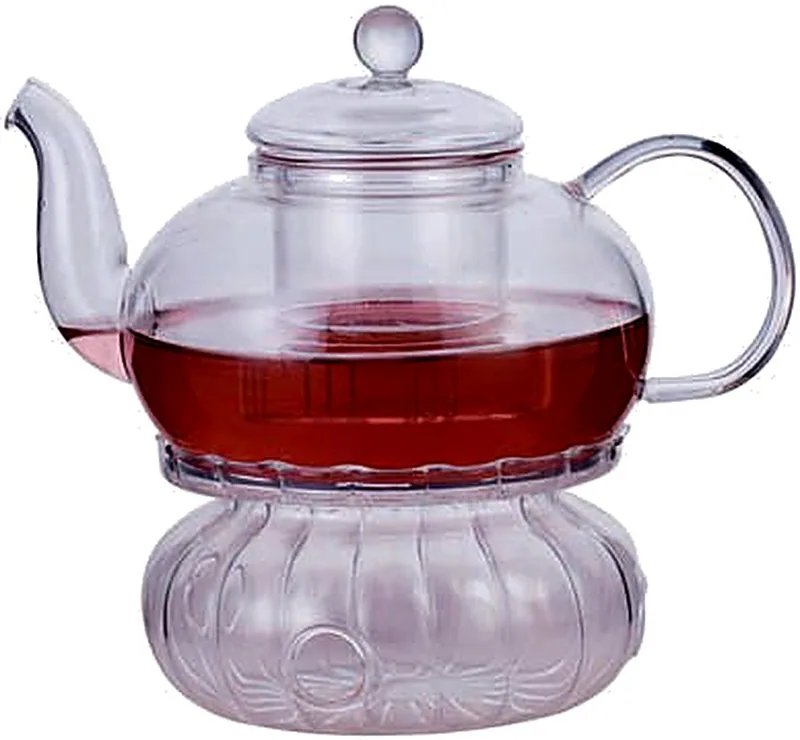
The quote shows certification status, test reports available, packaging and label language, lead time and delivered cost. The rest of the line works the same way: TVD-1984 Glass Teapot with Steel Infuser, Square, TVD-1986 Glass Teapot with Glass Lid, TVD-1987 Glass Teapot with Warmer Base (ask about the heat source and its safe use) and TVD-1990 Glass Coffee Server. Browse them on the teapots, infusers and French presses page. Send your quantity through the quote form; how ordering works explains samples, minimums and payment. Regulations change, so confirm with Health Canada, your health unit or your customs broker. This guide is not legal advice.