Certification guide ·
Glass Teapot Certification in Canada: Import and Compliance Rules for Teapots, Infusers and French Presses
Glass teapots look simple, but a Canadian importer still has to answer questions about the glass, the steel, the bamboo lid and the label before a shelf, a café or an inspector will accept them. Here is how those questions line up across our teapot, infuser and French press range.
Is there a certification mark for glass teapots in Canada?
Not in the way a lamp or a fryer has one. Health Canada does not certify cooking or serving ware, and it does not pre-approve kitchenware. What a Canadian buyer faces instead is a stack of general obligations: food must not be sold in or with materials that may make it harmful, glassware that touches food has lead and cadmium limits, consumer products must not be a danger to health or safety, and prepackaged goods need bilingual labelling. Buyers turn those obligations into paperwork by asking the factory for test reports.
To be plain about our own range: no certification mark is on file for any product in this post. We do not describe any of them as certified, approved or compliant. For each order we confirm certification status and which reports exist, and we supply the documents with the quote before you order.
Which products this covers
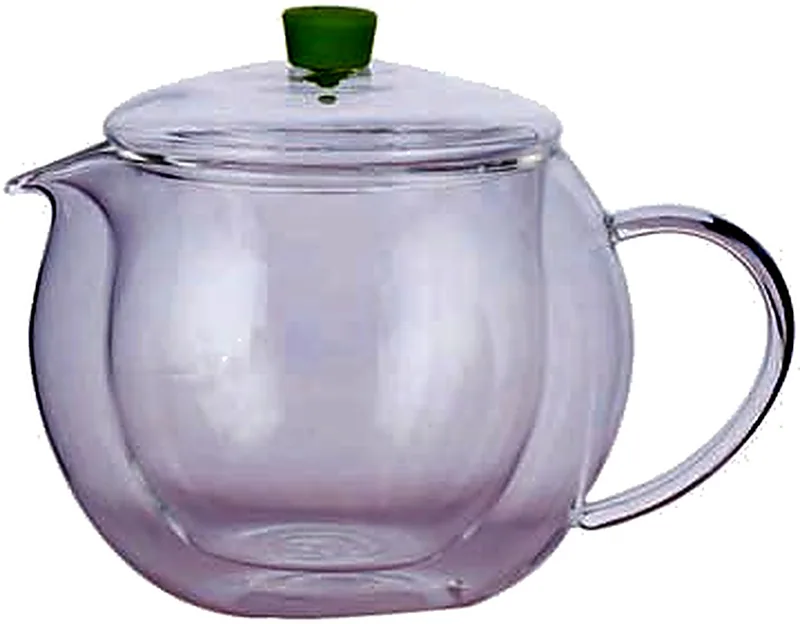
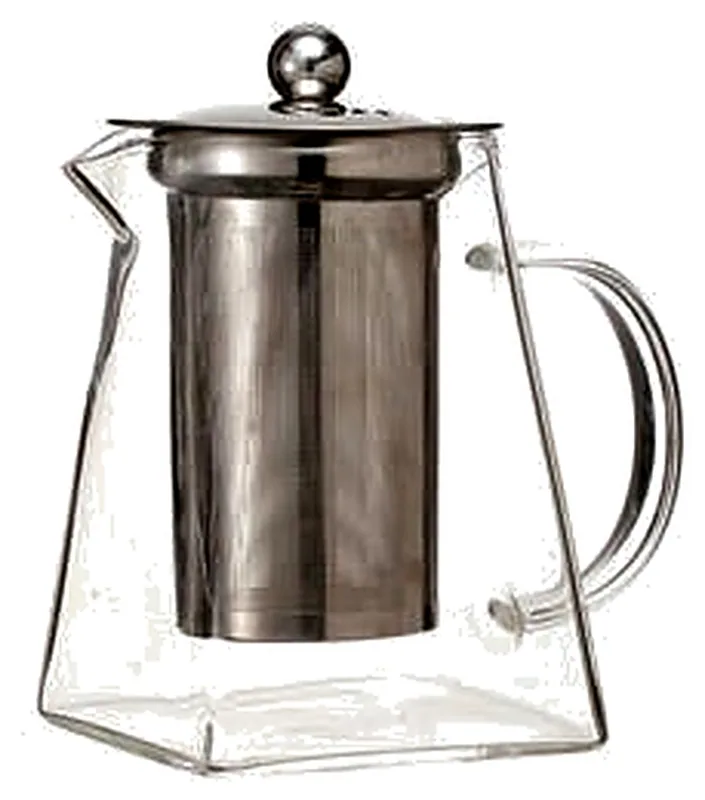
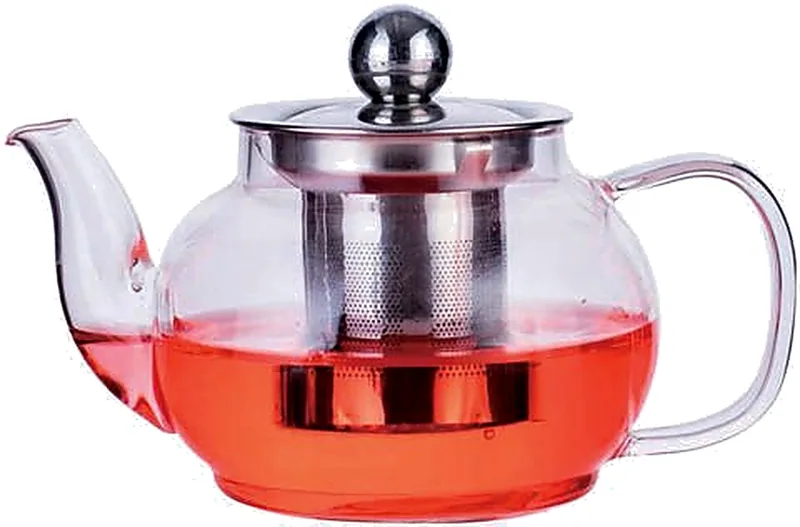
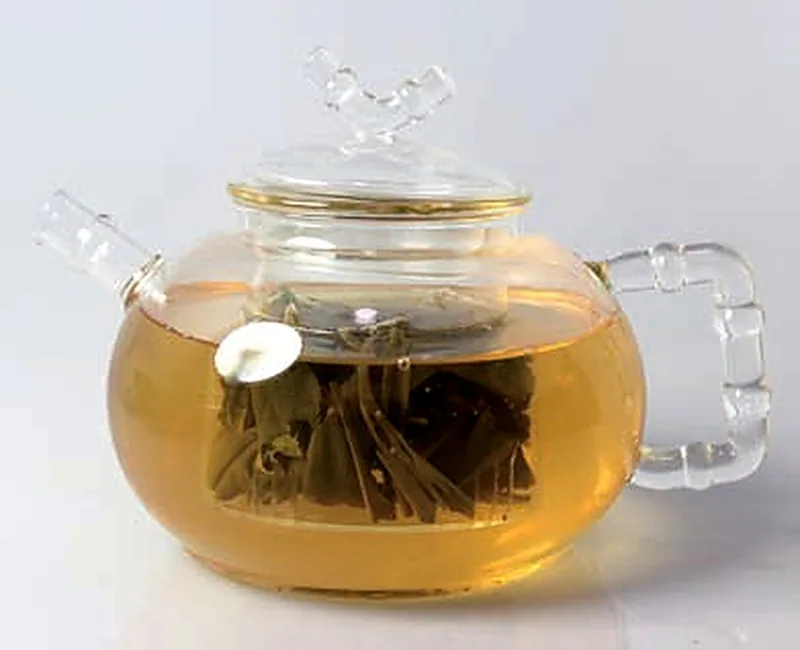
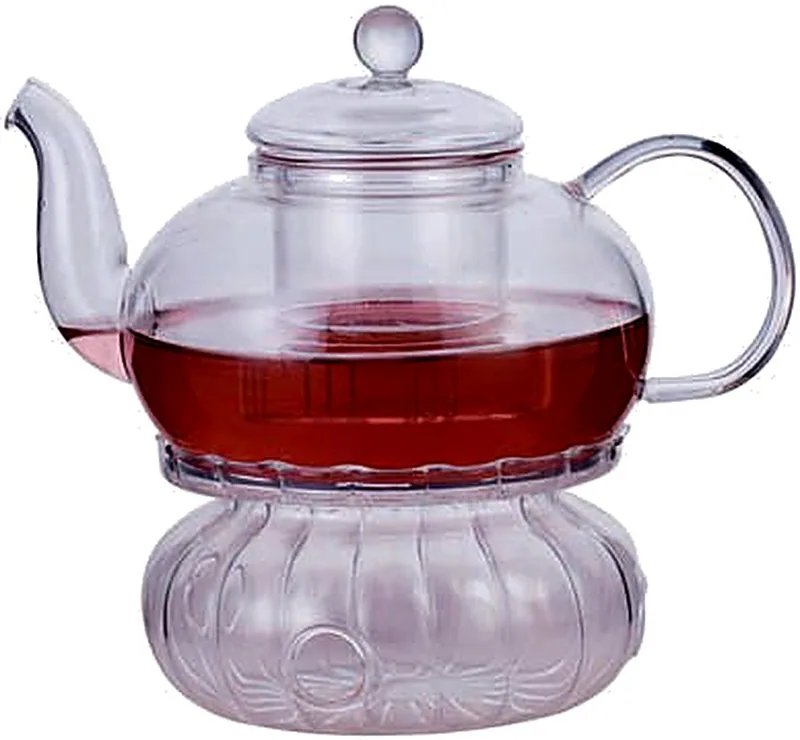
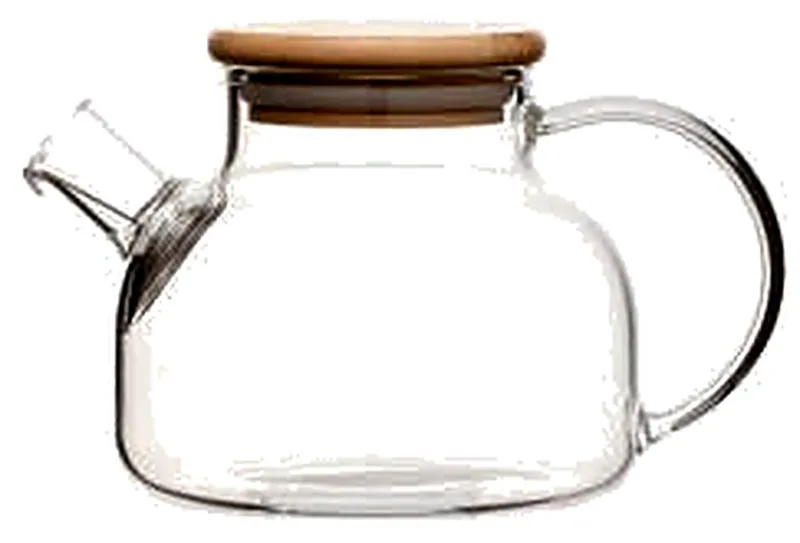
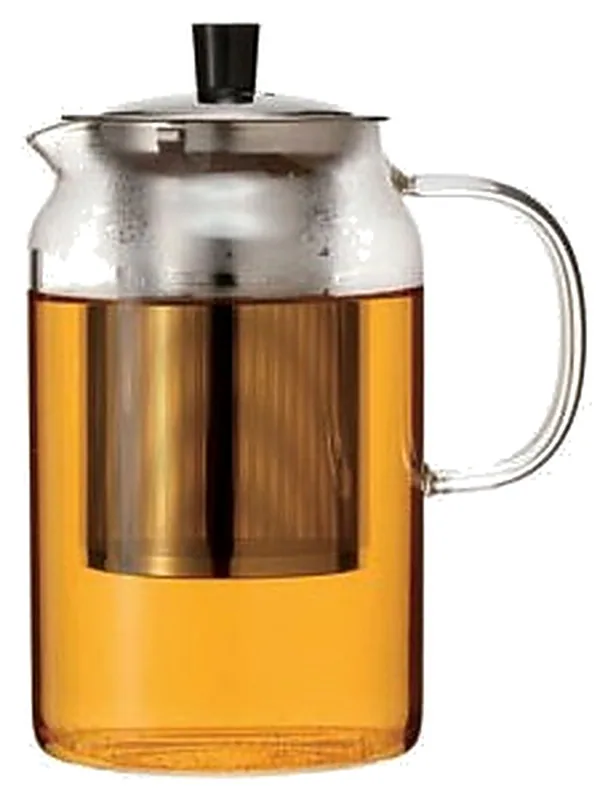
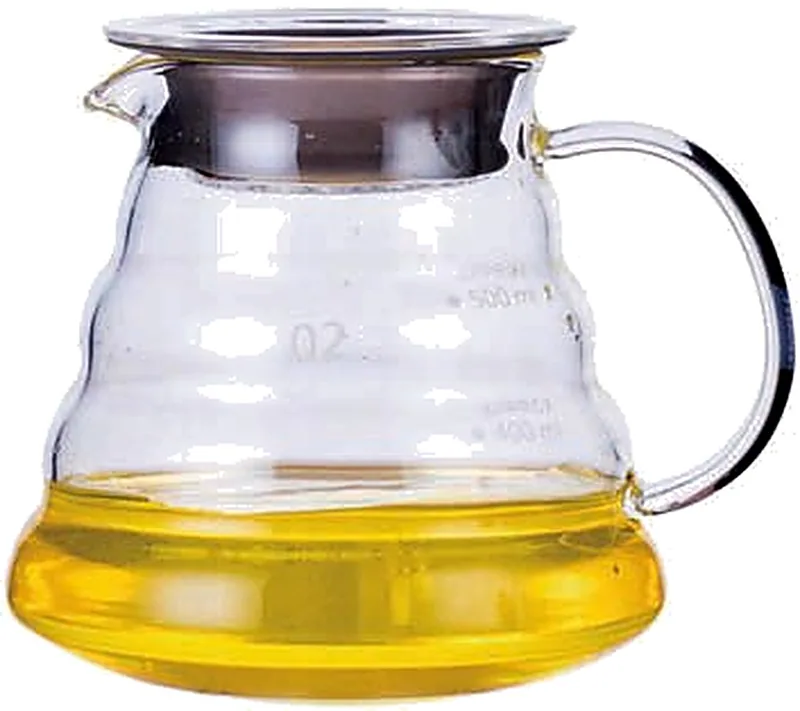
The glass teapot, infuser and French press range spans three families. Teapots include Double-Wall Glass Teapot (TVD-1967), Glass Teapot with Steel Infuser, Square (TVD-1984), Round Glass Teapot with Infuser (TVD-1985), Glass Teapot with Glass Lid (TVD-1986) and Glass Teapot with Warmer Base (TVD-1987). The single-serve and pouring pieces are Glass Kettle with Bamboo Lid (TVD-1988), Glass Infuser Jug (TVD-1989), Glass Coffee Server (TVD-1990), Glass Gaiwan Tea Set (TVD-1991), Glass Tea Mug with Steel Infuser (TVD-1992), Glass Tea Mug with Lid and Infuser (TVD-1993) and Glass Teapot-for-One Set (TVD-1994). The press pots are Double-Wall Glass French Press (TVD-1996) and Glass French Press with Bamboo Handle (TVD-1997).
The compliance conversation differs by the materials each piece combines, not by its shape. The table below groups them.
| Material combination | Products | What a buyer should ask for |
|---|---|---|
| Glass only, including glass lid | TVD-1967, TVD-1986, TVD-1991, TVD-1993, TVD-1994 | Glass type, heat-shock rating from the factory, lead and cadmium report for the glass |
| Glass with stainless steel infuser or lid | TVD-1984, TVD-1985, TVD-1989, TVD-1990, TVD-1992 | Steel grade, food-contact report for the metal, how the infuser seats in the glass |
| Glass with bamboo parts | TVD-1988, TVD-1996, TVD-1997, and some TVD-1992 versions | Food-contact tests for finish and adhesive, advice on washing |
| Glass with a flame warmer | TVD-1987 | Glass rating for heat from below, stand stability, clear user warnings |
Glass, lead and cadmium
The Glazed Ceramics and Glassware Regulations under the Canada Consumer Product Safety Act limit the lead and cadmium that can leach from glassware that contacts food. Plain clear glass with no coloured or metallic decoration is a lower-risk case than a printed or gilded piece, yet it is still sensible to ask the factory for a lead and cadmium test report covering the actual body and lid glass. If a version you order has a printed mark, a coloured band or a decorated rim, request the report to cover that decoration specifically. The listed features do not mention printed or gilded decoration, so the decoration question is mainly a check for custom or branded versions.
Kitchen utensils are also covered by lead limits in the Consumer Products Containing Lead Regulations, which is another reason to ask whether any metal fitting such as an infuser basket or plunger has been tested.
Heat-resistant glass and what to ask
Most of this range is described as heat-resistant glass, and several pieces as borosilicate. Those are material descriptions, not Canadian ratings. A buyer who wants to say a pot can take boiling water should ask the factory to state in writing the temperature change the glass is designed for, and to confirm whether it is meant for stovetop use. Not every glass pot can sit on a stove or warmer, so do not assume it. For the double-wall pieces, ask what the manufacturer says about sealing and cleaning the cavity between walls.
Bamboo, steel and silicone parts
Bamboo and wood parts need food-contact testing on their finishes and glues, and melamine-bamboo blends are not for microwave use. A bamboo lid on a hot glass kettle sits in steam, so ask how the lid is finished and whether it can be washed. For steel infusers and plungers, ask for the steel grade and a food-contact report. Where a mug is offered with a bamboo, silicone or steel lid, each lid material needs its own paperwork, so say which version you are ordering.
Document checklist
| Document | Why you need it | Who issues it |
|---|---|---|
| Food-contact test report for glass | Shows the glass does not release harmful substances into food or drink | The factory, from a testing laboratory |
| Lead and cadmium report | Answers the glassware limits for anything touching food or lips | The factory, from a testing laboratory |
| Food-contact report for steel, bamboo or silicone parts | Each material in contact with a drink needs its own evidence | The factory |
| Heat-use statement | Backs up any claim about boiling water, stovetop or warmer use | The factory, confirmed on our quote |
| Bilingual label and carton artwork | Needed for prepackaged consumer sale in Canada | You, with our packaging team |
| Quote with certification status | One written record of what is and is not on file | Thames Valley Distribution |
Labels, Quebec and retail packaging
Prepackaged consumer products need a bilingual product identity and net quantity plus the dealer's name and place of business under the Consumer Packaging and Labelling Act. In Quebec, the Charter of the French language also expects labels, instructions and warranty documents in French, with French at least as prominent. A tea shop that sells a boxed infuser mug in Montreal will be asked for exactly that, so settle packaging artwork before cartons are printed.
What happens when paperwork is missing
For glassware there is rarely a gate at the border; the problems appear later. A retailer can refuse to list a product without a lead and cadmium report. A café owner's health inspector can ask what the glass is. A recall under the Canada Consumer Product Safety Act is possible if a product proves to be a danger. Insurers also ask questions after an incident. None of this is hard to prevent if the documents are requested before you buy.
Warmer-base and flame questions
The warmer-base teapot (TVD-1987) uses a candle warmer, so it is not a plug-in appliance in our listing. If a version you order has an electric warming element or a battery light, Canadian electrical certification from an accredited body, or a field evaluation, would apply, and a US-only mark would not be enough. Our guide to CSA, cUL and cETL marks explains what to look for. For a flame warmer, ask for stability information and clear warnings, and make sure your own café or shop staff know not to leave it unattended.
Read next, by product
The same questions play out differently piece by piece. See the guides for the double-wall teapot and its certification note, the glass-lid teapot collection, the bamboo-lid kettle, the infuser mug collection and the bamboo-handle French press.
How we handle it, and how to order
We confirm certification status and documents on every quote, before you commit. Orders are quoted in writing for your quantity and delivery address; many lines have low trial minimums, samples are available on most items with the cost usually credited to the first order, and payment is a 30% deposit with 70% before release. See how ordering works and send a quote request, or browse the glass teapots, infusers and French presses line. Duties and taxes depend on classification and the province of delivery; our sales tax guide helps. Rules change, so confirm current requirements with the authority, your inspector or a customs broker. This is not legal advice.