Certification guide ·
2 Group Espresso Machine in Canada: Electrical, Boiler and Food-Contact Paperwork
An espresso machine combines high-power heating, pressurised water and food-contact parts in one body. Here is what to request before TVD-10828 is shipped to a Canadian café.
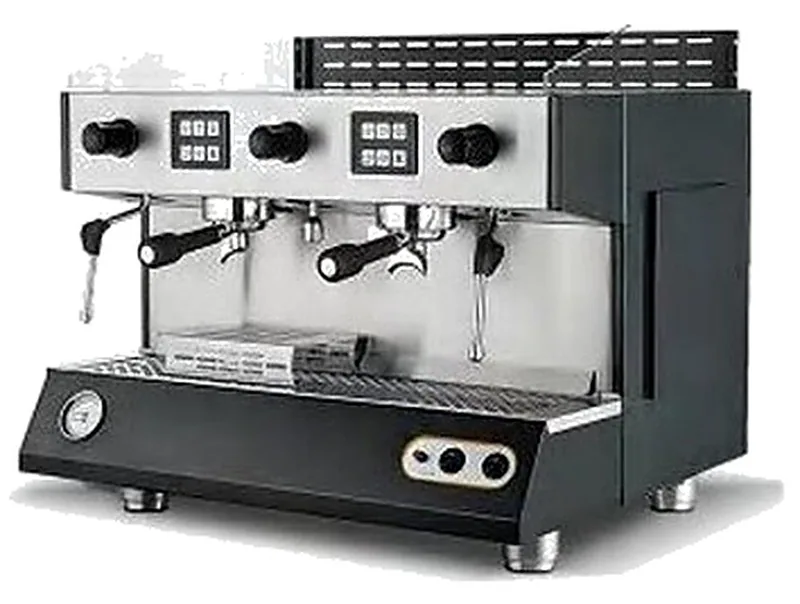
The Espresso Machine, 2 Group (TVD-10828) belongs to a range of one- to three-group commercial machines with commercial boilers, aimed at cafés and amenity lounges. No certification mark is on file for TVD-10828. We confirm certification status and supply the documents with the quote before you order. The notes below explain which questions matter most for this type of machine.
Why an espresso machine is a heavier compliance item than it looks
A café bar machine does more than most plug-in appliances. It heats water in boilers, holds that water under pressure, pumps it through coffee at the group heads, produces steam through wands and sends waste water to a drain. Each of those actions creates its own question.
- High electrical load. Heating elements for the boilers draw a lot of power. A two-group machine is often wired to a dedicated circuit rather than a regular outlet, and the supply type (single-phase or three-phase) must be settled before purchase.
- Boilers. The listed points describe commercial boilers. Ask the factory for the boiler capacity, working pressure and material, and ask your provincial authority whether anything further applies to a boiler of that size where you operate. We do not state a rule here because requirements differ by province.
- Water in, water out. A plumbed machine needs an inlet connection, often a softener or filter, and a drain for the drip tray and group flush.
- Food-contact parts. Coffee, steam and hot water touch the group heads, portafilters, steam wands, boiler interior and tubing.
The electrical mark
Electrical products used in Canada must carry a mark from a certifier recognised by the Standards Council of Canada, or a field evaluation label. Commercial cooking and beverage appliances are typically certified to the CSA C22.2 standard for commercial cooking appliances where that standard applies, and the machine's own category should be stated on the certificate. Typical marks are CSA, cUL or cETL; a US-only mark without the "c" does not satisfy a Canadian inspector, and CE marking alone does not either. Our explainer on Canadian marks shows how to check a label.
Voltage and phase are the first order-stage question
Canada supplies 120 V or 240 V single-phase and 208 V or 600 V three-phase, all at 60 Hz, and commercial buildings often have 208 V or 600 V three-phase. A machine designed for 220 V and 50 Hz needs written confirmation that it is built for Canadian voltage and 60 Hz, since pumps, timers and heaters can misbehave on the wrong frequency. Because the same factory model can be built with different heating elements, the voltage, phase and amperage on the rating plate, not the brochure, must match what your electrician can provide at the bar. A mismatch found after delivery usually means a replacement element or a new circuit.
Document table for TVD-10828
| Document | What it settles | Source |
|---|---|---|
| Canadian electrical mark or field evaluation label | Connection approval and insurance position | Standards Council of Canada accredited body |
| Rating plate: voltage, phase, frequency, amperage | Circuit size and whether the bar has the right supply | Factory, reviewed on the quote |
| Boiler data: capacity, working pressure, materials | Lets you ask your provincial authority what applies | Factory |
| Water inlet and drain sheet | Plumber plans filter, softener, inlet and drain | Factory |
| Food-contact material statement for water path, groups, wands | Parts touching coffee and steam must not harm food | Factory, with test reports where available |
| Sanitation certificate (NSF/ANSI 2 or equivalent) if requested | Health-unit acceptance on food equipment | Sanitation certification body |
| Cleaning and descaling instructions | Daily backflush and periodic descaling routine | Factory manual |
| French manual and labels | Quebec staff and retailers | Factory |
Water quality affects the paperwork too
Scale destroys boilers and heating elements, so many café operators fit a softener or filter. That is a plumbing matter, but it shows up in documents: the factory's installation sheet states water requirements, and a warranty may depend on following them. Ask for that sheet before the order, not after.
Provincial differences
- Quebec: manuals, labels and warranty papers are expected in French. A café that trains baristas in French needs operating instructions in French too.
- Ontario: the Electrical Safety Authority enforces electrical equipment requirements, with food premises handled by local health units.
- Other provinces: electrical, plumbing and health authorities differ, and an amenity lounge in a hotel or office tower may also have building management requirements for a high-load appliance.
If something is missing
An espresso bar is built around the machine, and the counter, plumbing and electrical rough-in are all based on its data sheet. If the supply is wrong or the mark is missing, work may stop while the bar is reopened. An inspector can decline to connect an unmarked machine, and insurers may query it after a fire or water loss. A landlord or franchisor can ask for the documents before approving the fit-out.
How we handle it
Each written quote states certification status, supply details and the document list. If a Canadian mark is not present on the machine, as is the case today for TVD-10828, we say so and explain the field evaluation route before you pay the 30% deposit; the remaining 70% is due before release. See how ordering works, then use the landed cost calculator for planning. Equipment that cooks rather than brews is covered in the gas range certification guide, and the commercial kitchen equipment line lists the full range. Rules change; this is general information, not legal advice. Confirm with your electrical authority, health inspector and customs broker.