Product guide ·
Fridge & Freezer Dial Thermometer (TVD-1759): Wholesale Guide for Retailers and Food Businesses
TVD-1759 is a hang-or-stand dial thermometer with fridge and freezer ranges and no batteries. Here is what to check on scale, hooks and materials before you order for shops or kitchens.
Cold-storage checks with a plain dial
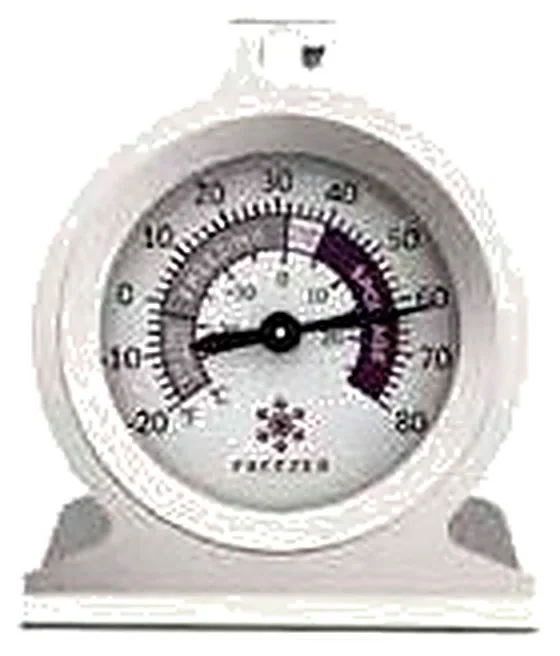
A fridge that runs warm is a food safety problem long before it is a comfort problem, and the simplest way to notice is a thermometer that sits inside it. The Fridge & Freezer Dial Thermometer (TVD-1759) does that job with a dial display that hangs or stands, and our product listing mentions both fridge and freezer ranges. It has no battery, no alarm and no screen to fog up, which suits a cold, damp space.
In the cooking thermometer line this is the one meant for storage rather than cooking, so it appeals to buyers who think about stock rotation and shelf life more than doneness.
Which buyers it fits
- Retailers selling kitchen organisation, picnic and cooler products, where a fridge thermometer is a small, steady-selling add-on at the till.
- Restaurants, cafes and caterers that keep a thermometer in each walk-in, reach-in and under-counter unit so staff can glance at the dial during a shift. Local health units set their own expectations for logs and checks, so ask yours what they look for.
- Discount and variety chains that want an item that is easy to explain with no batteries to fail.
- Online sellers serving first-time home owners, tenants and campers who want a basic cold check.
Reading the three listed features
Hang or stand. A hanging hook suits wire shelves; a stand suits a flat shelf in a household fridge. Ask what the hook is made of and whether it grips both a thin wire and a thicker one, because commercial wire shelving and domestic shelving differ.
Dial display. A dial is readable at a glance from a metre away, which is how a busy cook reads it. Ask for the dial diameter, the scale increments and whether the numbers stay legible after repeated cold and condensation. Ask about printed versus engraved markings.
Fridge and freezer ranges. The scale covers the temperatures that matter for cold storage. The important detail is the exact range and whether it shows Celsius, Fahrenheit or both, since Canadians read a fridge in Celsius and a US-sourced pack may only show Fahrenheit. The figures are confirmed on your written quote.
Checklist for the quote request
- Printed temperature range and whether Celsius, Fahrenheit or both are shown.
- Accuracy statement and how the unit is calibrated.
- Case and lens material, and how it copes with condensation and frost.
- Hook and stand design, and which shelf types they suit.
- Whether the factory recommends a wipe-clean method and avoids immersion.
- Colour, print or logo options, including private-label packaging.
- Retail pack, barcode, instruction language, carton quantity and size.
- Minimum order, sample availability and lead time.
Fridge dial versus the other dial thermometers
| Item | Where it works | Do not use it for |
|---|---|---|
| Fridge & Freezer Dial Thermometer (TVD-1759) | Inside a fridge or freezer | Oven or stovetop heat, because its scale is for cold storage |
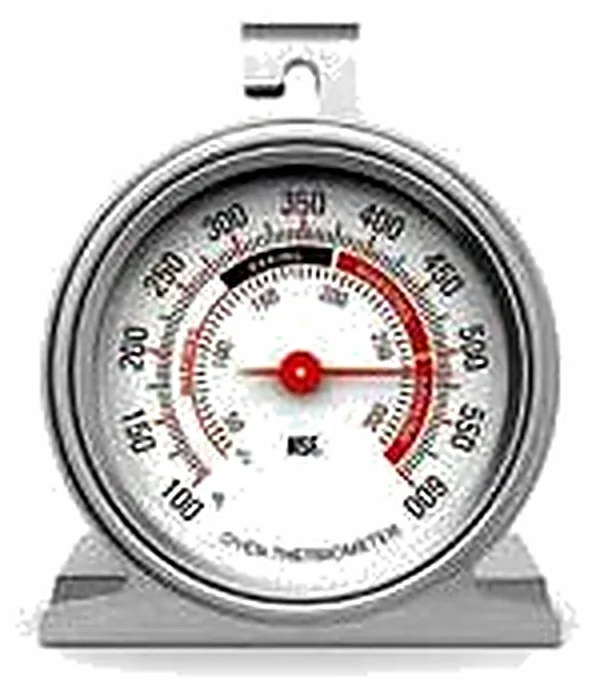
| Oven Dial Thermometer (TVD-1758) | Inside an oven; see the oven dial guide | Cold storage |
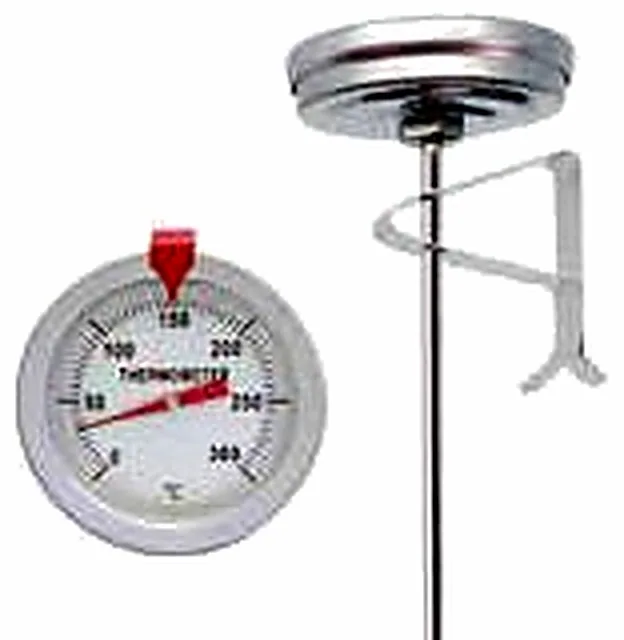
| Dial Milk & Cooking Thermometer (TVD-1760) | In a pot or jug of milk | Fridge monitoring |
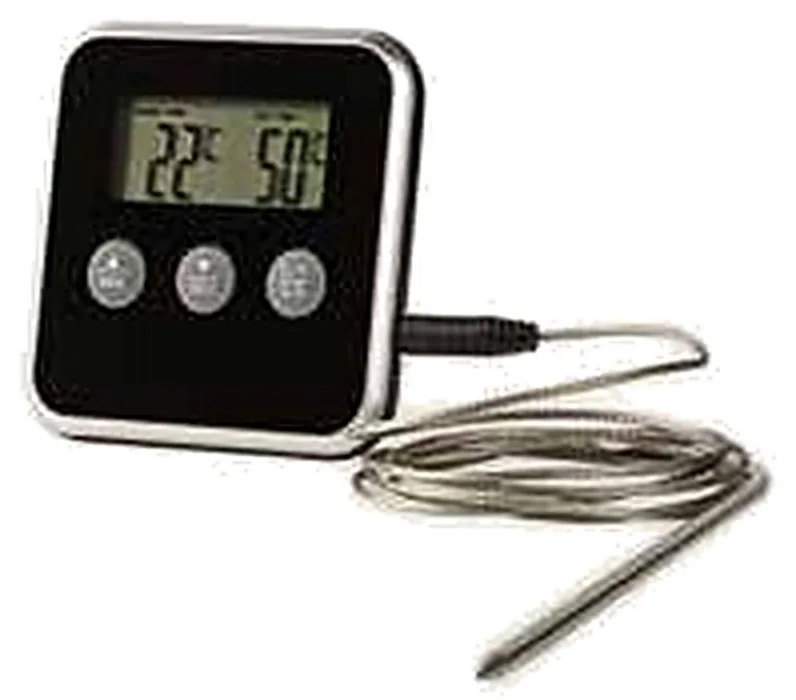
| Digital Cooking Thermometer with Timer (TVD-1749) | Probe on a cable with stand and magnet back | Anyone who wants no batteries; see the timer thermometer guide |
The mistake to design out is mixing these up on the shelf. Print the use on the front of each pack and keep the cold-storage dial away from the oven dial.
Canadian use notes
Canadian winters change how a fridge thermometer is used. Unheated garages, basements and cottages hold a second fridge or freezer through the cold months, and rural and northern households rely on chest freezers for stock. Power cuts in storms are a real concern, so a dial that does not need power is reassuring. Freezing temperatures in transit can affect some liquids and electronics; because this product is a dial, ask the factory what is inside the dial and whether it is sensitive to cold during shipping. Plan winter deliveries with us.
No electrical certification question arises for a dial with no powered parts, but if a version you order has any, it needs a Canadian mark from a Standards Council of Canada accredited body; see our CSA, cUL and cETL guide. Health Canada does not certify cooking thermometers, and consumer products come under the Canada Consumer Product Safety Act. Because the unit sits among food but does not touch it, ask the factory for materials information and any food-contact reports; our cooking thermometer compliance guide lists what buyers commonly request. For food premises, provincial regulations and local public health inspectors require equipment that is durable, easy to clean and kept sanitary, and some ask for NSF/ANSI or equivalent sanitation certification on commercial food equipment, so check what your health unit and landlord expect. Packs need bilingual English and French identity and net quantity plus dealer details, with French instructions for Quebec. Rules change; confirm with your authority or customs broker. This is not legal advice.
Ordering
Start with the quote request, giving your quantity and delivery address. We answer in writing with price, specification, certification status and documents, packing, lead time and delivered cost. No certification mark is on file for TVD-1759; we confirm status and supply documents with the quote before you order. Samples are available on most items and usually credited to your first order, trial minimums are low on many lines, and payment is 30% deposit and 70% before release. The how ordering works page walks through the steps, and the landed cost calculator helps you budget the delivered cost. A free account on the product page shows the full specifications.