Certification guide ·
Glass Carafe – Black Lid (TVD-2003): Canadian Compliance and Document Guide
A heat-resistant glass jug with a handled lid touches food, glass rules and retail labelling law. Here is what to ask for, who issues it and what we confirm on the quote.
What kind of product TVD-2003 is, and why it matters for the rules
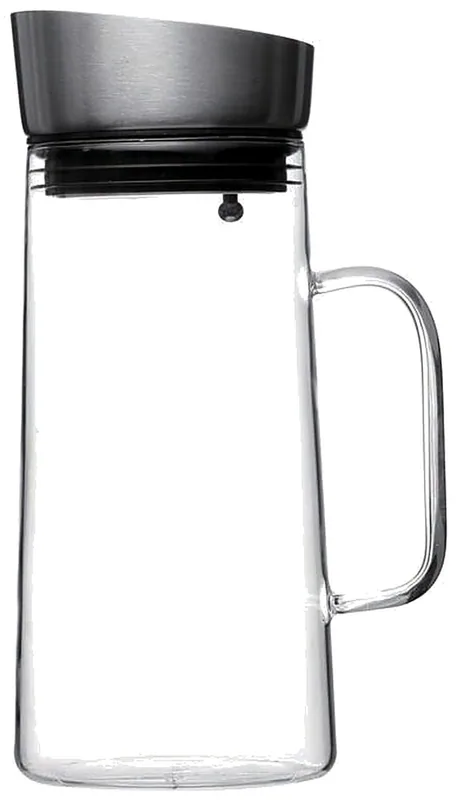
The Glass Carafe – Black Lid (TVD-2003) is a heat-resistant glass jug with a black lid and handle, described as a fridge-friendly drink jug. It is a piece of drinkware. That fact decides which Canadian rules touch it: the rules for materials in contact with food and drink, for glassware, for consumer product safety and for retail labelling. It is not described as a powered, plugged-in or battery-operated product, so electrical certification does not apply to the item as listed. No certification mark is on file for it.
The rules that apply
- Food and Drugs Act. A jug that holds drinks must not be made of materials that may make the contents harmful. Health Canada does not pre-approve kitchenware, but buyers commonly ask the factory for food-contact test reports such as FDA or EU migration tests.
- Glazed Ceramics and Glassware Regulations under the Canada Consumer Product Safety Act: limits on lead and cadmium that can leach from glassware that contacts food. If the jug has a printed or metallic decoration near the lip, ask for a lead and cadmium test report.
- Canada Consumer Product Safety Act. It prohibits consumer products that are a danger to health or safety, requires incident reporting and allows recalls.
- Consumer Packaging and Labelling Act. A prepackaged jug sold at retail needs bilingual product identity and net quantity, plus the dealer name and place of business.
- Quebec Charter of the French language. Labels, instructions and warranty papers must be available in French, with French at least as prominent.
Rules change. Confirm with the authority, your inspector or your customs broker. This is not legal advice.
Heat resistance is not a certification
The listing describes the glass as heat-resistant. That phrase describes performance, not compliance, and no Canadian mark certifies it. A buyer who plans to use the jug for hot beverages should ask the factory for a written temperature-change rating and test method, with and without the lid. If the factory cannot supply one, do not make hot-pour claims on your labels or menus.
The black lid is the part to scrutinise
The glass is the obvious material, but the lid also touches the drink, especially when the jug is stored or poured. Ask what the lid is made of, what the handle is made of, what any seal is made of and whether the black colour is moulded through. Request a food-contact report that names the lid material, not only the glass. For kitchen utensils and products for young children, the Consumer Products Containing Lead Regulations set lead limits; a jug is a drink-service item, so a lead statement for the lid colourant is a reasonable request.
Electrical, battery and heating parts: a conditional
Some drink jugs elsewhere in the market contain a heating base or electronic element. The listed features of this one show none. If the version you order has any plugged-in or battery part, tell us before you order. Electrical products sold in Canada must carry a certification mark from a body accredited by the Standards Council of Canada (for example CSA, cUL or cETL) or a field evaluation label, and a US-only mark is not enough. The CE mark is not proof of compliance in Canada. Our guide to the CSA, cUL and cETL marks explains how to read them.
Document checklist
| Document | Why | Who issues it |
|---|---|---|
| Material statement for glass, lid, handle and seal | Shows what touches the drink and what the lid is made of | Factory |
| Food-contact test report for glass and lid | Supports the Food and Drugs Act duty and retailer requests | Factory or its laboratory |
| Lead and cadmium report (if any decoration) | Glassware regulations limit leaching near the lip | Factory or independent laboratory |
| Written heat-resistance rating | Supports any hot-pour claim you make | Factory |
| Bilingual label artwork | Consumer Packaging and Labelling Act; Quebec French | You, with our check on the quote |
| Carton and packing data | Breakage claims, freight and warehouse planning | Factory, confirmed on the quote |
Provincial differences that matter
Food-premises rules sit with provinces and local public health units. A restaurant or hotel buying the jug for service should ask its health unit and landlord whether they want a sanitation certification, since many inspectors ask for NSF/ANSI or an equivalent on commercial food equipment. The practical rule is simple: ask before you buy. Quebec adds the French-language requirement for labels, instructions and warranty papers.
What happens if a document is missing
- A chain or marketplace can refuse to list the jug.
- A health inspector may ask for evidence that service items suit food contact; a missing report slows the answer.
- A distributor in Quebec will reject English-only retail packs.
- If a safety problem appears, the Canada Consumer Product Safety Act allows recalls and requires incident reporting by the seller.
How we handle it
We confirm certification status and supply the documents with the quote before you order; where a document is not yet available we say so. Quotes state price for your quantity, packing, lead time and delivered cost, and payment is 30% deposit with 70% before release. The product guide for the Glass Carafe – Black Lid covers service planning and specifications. For the whole line, read the glass bottles, carafes and jugs compliance guide, and see how a similar item compares in the stopper carafe certification guide. When you are ready, use the quote request and read how ordering works.