Certification guide ·
Glass Bottles, Carafes & Jugs in Canada: Import Rules, Food Contact and Glass Limits
Six glass drinkware products, six different material mixes. This guide shows which Canadian rules apply, what each product needs from the factory and how we confirm documents before you order.
Why this line needs its own compliance guide
The glass bottles, carafes and jugs line looks simple, but each product mixes glass with something else: steel, bamboo, silicone or coloured plastic. In Canada the rules attach to what touches the drink, to what is printed on the glass, and to how the retail pack is labelled. This guide walks through six products in the line, shows where their material mix changes your document requests and explains what we do before a quote leaves our desk. No certification mark is on file for any of them. That is normal for kitchenware, because Canada has no single mark that proves a bottle is safe for food.
The rules that apply to the whole line
- Food and Drugs Act. Food must not be sold in or with materials that may make it harmful. Health Canada does not pre-approve kitchenware, but it offers voluntary Letters of No Objection for food packaging materials. Buyers therefore ask factories for food-contact test reports, for example FDA or EU migration tests.
- Glazed Ceramics and Glassware Regulations (under the Canada Consumer Product Safety Act): limits on lead and cadmium that can leach from glassware that contacts food. Decorated rims and printed or metallic decoration near the lip are the known risk, so ask for a lead and cadmium report whenever a bottle carries decoration.
- Canada Consumer Product Safety Act. Consumer products must not be a danger to health or safety; incidents must be reported and recalls are possible. Health Canada enforces it.
- Consumer Packaging and Labelling Act. Prepackaged retail items need bilingual product identity and net quantity, plus the dealer name and place of business.
- Quebec. Under the Charter of the French language, labels, instructions and warranty papers must be available in French, with French at least as prominent as English.
These are summaries in plain words. Rules change, so confirm current requirements with the authority, your inspector or your customs broker. This is not legal advice.
How the material mix changes the paperwork
| Product | Materials in our listing | Extra documents to request |
|---|---|---|
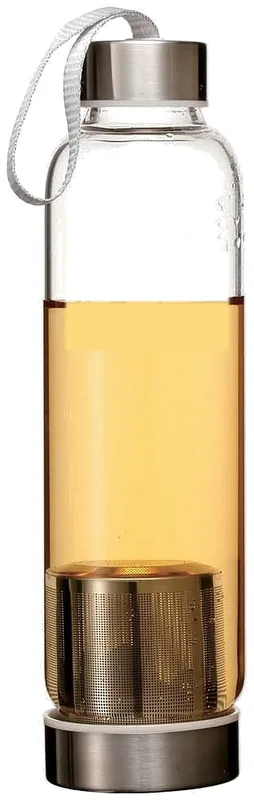
| Glass Water Bottle with Tea Infuser (TVD-2000) | Glass bottle, steel infuser, stainless steel cap, carry strap | Food-contact reports for glass, steel and cap seal; strap material statement |
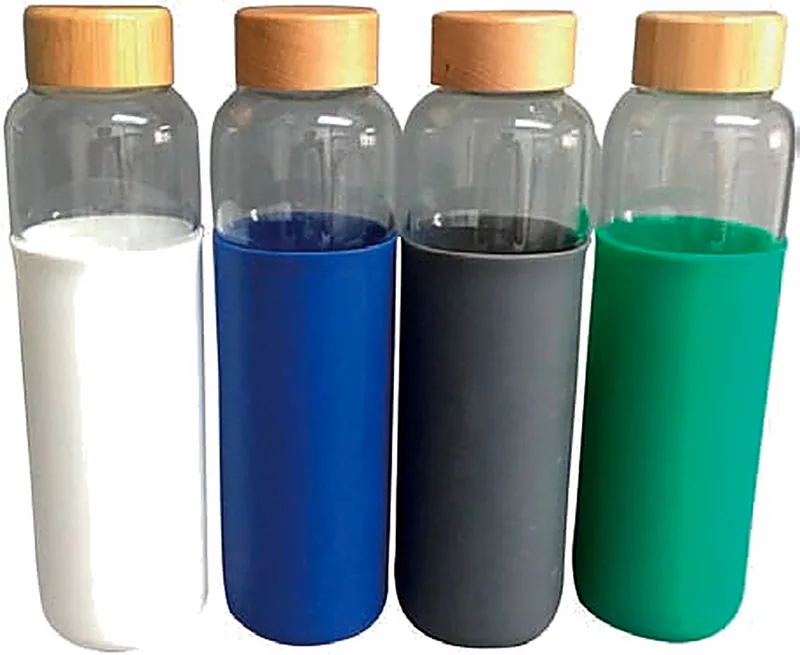
| Glass Water Bottle – Silicone Sleeve (TVD-2001) | Borosilicate glass, silicone sleeve, bamboo cap | Silicone food-contact report; bamboo finish and glue report |
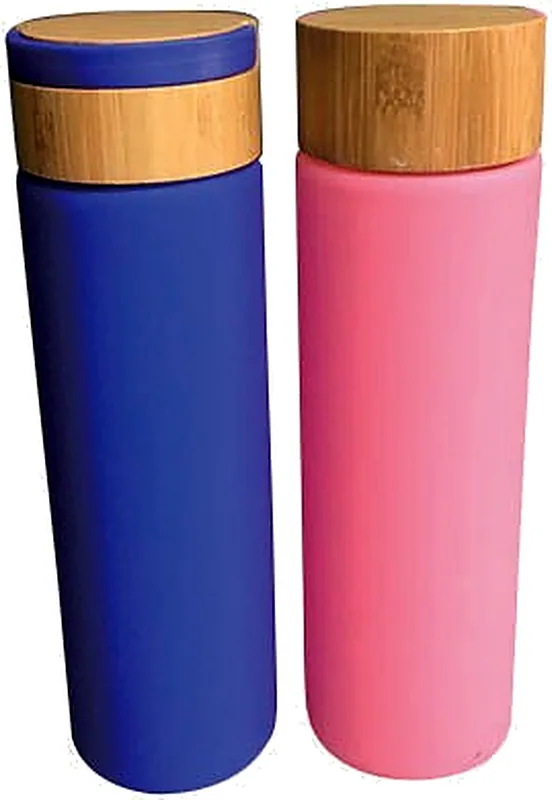
| Slim Glass Bottle – Bamboo Lid & Sleeve (TVD-2002) | Slim glass, bamboo or steel lid, coloured silicone sleeve | Report for whichever lid version you order; colourant statement for the sleeve |
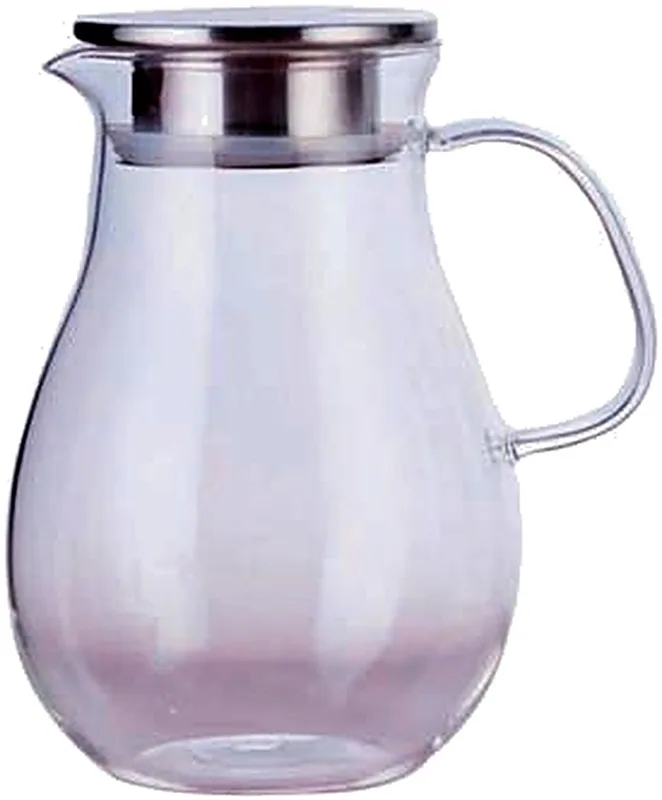
| Glass Pitcher – Steel Lid (TVD-2004) | Borosilicate glass, stainless steel lid | Steel and glass food-contact reports; lid seal material |
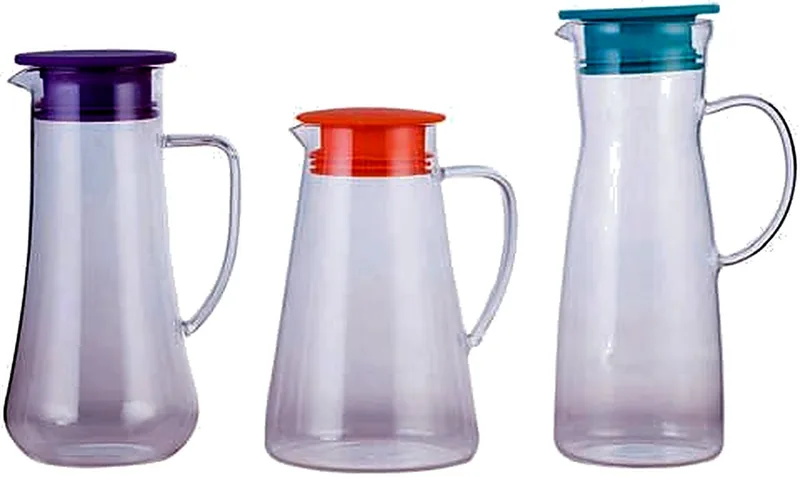
| Glass Jug with Coloured Lid (TVD-2006) | Glass jug or slim bottle, coloured plastic lid | Plastic type and pigment statement; lead report if sold for children |
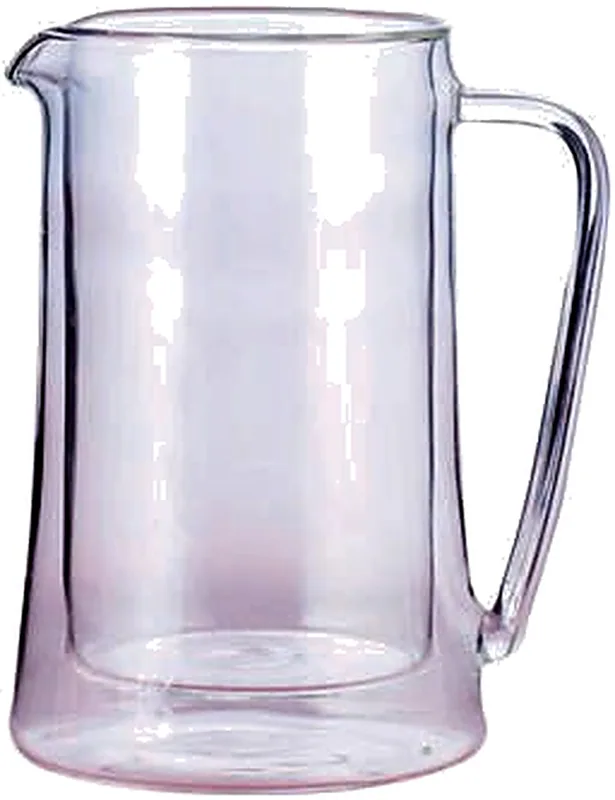
| Glass Jug with Handle (TVD-2007) | Clear glass pitcher, moulded handle and spout | Glass report; confirmation of any markings on the glass |
Bamboo and wood parts
Two products in the line use bamboo: the sleeve bottle and the slim bottle. For bamboo and wood, ask for food-contact tests on finishes and glues. Bamboo blended with melamine is not for microwave use, so if a factory describes a bamboo-fibre or composite cap, ask exactly what it is made from before you print any care instructions. Our product guides for TVD-2001 and TVD-2002 go into the lid and sleeve questions for each bottle.
Silicone sleeves and coloured plastic lids
Silicone is not named in the Canadian rules we cite, so the practical route is the same as for other food-contact parts: request a food-contact test report suited to the Canadian market and ask the factory what colourants are used. For the coloured plastic lid on TVD-2006 the questions are the plastic type and the pigments. If you will sell it as a children’s product, the Consumer Products Containing Lead Regulations include products for young children, so a lead test report is the safe request. The same lead rules cover kitchen utensils.
Heat claims, dishwasher claims and freezer claims
Several items are described with words such as borosilicate or heat-resistant. A retailer should only repeat a heat, dishwasher, microwave or freezer claim if the factory supplies the rating in writing for that exact item and lid. A glass body may tolerate more than its lid does; steel lids and sleeves have their own limits. Your quote should state the rating per component.
Document checklist for a quote on any item in the line
| Document | Why you need it | Who issues it |
|---|---|---|
| Food-contact test report | Supports your duty not to sell food in harmful materials | Factory or its test laboratory |
| Lead and cadmium report for any decorated glass | The glassware regulations limit leaching near the lip | Factory or independent laboratory |
| Material statement per component | Glass type, steel grade, plastic type, silicone, bamboo finish | Factory |
| Bilingual label artwork | Consumer Packaging and Labelling Act; Quebec French requirement | You, with our help on the quote |
| Packing and carton data | Breakage claims and freight planning | Factory, confirmed on the quote |
What happens if a document is missing
A retailer or marketplace can refuse to list a bottle without supporting reports. A product that cannot show that its materials suit food contact is a recall and liability risk, and a distributor in Quebec will not accept English-only retail packs. For this line a missing paper rarely stops the shipment at the border, but it can stop the shelf listing. We would rather you know before you pay a deposit.
Other items in the line
The line also includes the Glass Carafe – Black Lid (TVD-2003) and the Glass Carafe – Stopper Lid (TVD-2005), with a certification guide for TVD-2003. Check the lid and stopper materials on those two in the same way as above.
How we handle it
We confirm certification status and supply the documents with the quote before you order, and we say plainly when a document is not yet available. Pricing is quoted in writing for your quantity and delivery address; payment is 30% deposit and 70% before release. See how ordering works or go straight to a quote request. For duty and tax by province, read the sales tax guide.