Certification guide ·
Importing Glass Food Containers to Canada: Which Rules Apply and Which Papers to Ask For
Buyers often search for a CSA mark on glass food containers. For an unpowered glass container the real checks are food contact, lead and cadmium, and bilingual labelling. Here is the paperwork list for TVD-774.
Status of TVD-774 at a glance
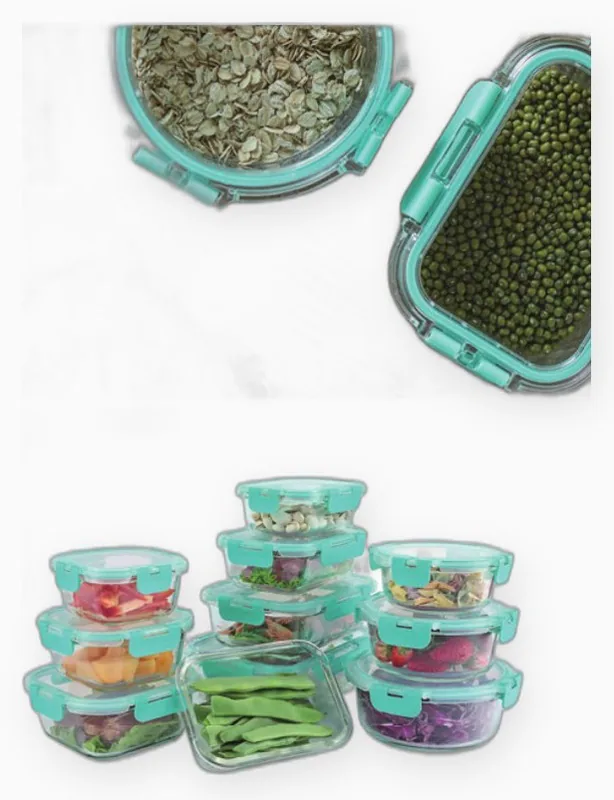
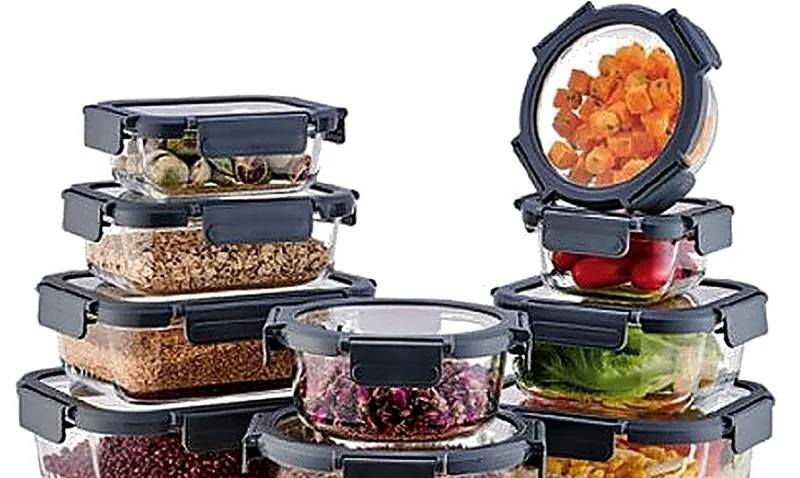
TVD-774, Glass Containers with Removable Ears, is described as borosilicate and oven-safe, with detachable clip handles, for meal prep and retail sets. No certification mark is on file for this product. We do not say it is certified, listed or approved by anyone. What we do is confirm certification status and supply the documents with the quote before you order, so you see exactly what exists before paying a deposit. If you want the buying side of this product, our wholesale guide for TVD-774 covers specifications and ordering.
Why a CSA search is the wrong first question
Electrical products sold or installed in Canada must carry a mark from a certification body accredited by the Standards Council of Canada, such as CSA, cUL or cETL, and provincial safety authorities enforce it. Our explainer on those marks covers the detail. A glass food container with clip handles is not a powered product, so those electrical marks are not what decides if it can be sold. We still check the handles and any accessories when we prepare the quote; if a powered part ever came with the set we would say so plainly.
The rules that do matter come from food contact, glass safety and consumer packaging.
Which Canadian rules apply to a glass food container
- Food and Drugs Act. It prohibits selling food in or with materials that may make it harmful. Health Canada does not pre-approve kitchenware, but offers voluntary Letters of No Objection for food packaging materials. In practice, buyers ask the factory for food-contact test reports, such as FDA or EU food-contact migration tests.
- Glazed Ceramics and Glassware Regulations (under the Canada Consumer Product Safety Act). These set limits on lead and cadmium that can leach from glassware and glazed ceramics that contact food. Decorated rims and printed or metallic decoration near the lip are the known risk, so a plain clear body is a lighter question than a printed one.
- Canada Consumer Product Safety Act. It prohibits products that are a danger to health or safety, requires incident reporting and allows recalls. Health Canada enforces it.
- Consumer Packaging and Labelling Act. Prepackaged retail sets need bilingual English and French product identity and net quantity, plus the dealer's name and place of business.
- Plastic lids. If the set has plastic or silicone lids, they are part of the food-contact question. Ask for test reports on the lid and seal materials too. The materials are confirmed on your quote.
The European CE mark does not substitute
Canada does not recognise the CE mark as proof of compliance for consumer products. A factory that tells you the container is CE-marked or has a European food-contact report has told you something useful, but it is evidence to review, not the Canadian answer. Ask for the test report itself and the lab's name, and we pass it to you with the quote.
Document checklist
| Document | Why you need it | Who issues it |
|---|---|---|
| Food-contact test report for the glass body | Shows the material is suitable for contact with food; inspectors, retailers and franchisors ask for it | Third-party test lab, supplied by the factory |
| Food-contact test report for lids and seals | The lid and gasket touch food and are a different material | Third-party test lab, supplied by the factory |
| Lead and cadmium test report | Needed for glassware under the Glazed Ceramics and Glassware Regulations | Third-party test lab, supplied by the factory |
| Material and grade statement | Confirms borosilicate and the oven rating the product claims | Factory, confirmed on our written quote |
| Thermal shock and use guidance | Supports oven, freezer and microwave claims on your label | Factory |
| Bilingual label and carton proof | English and French identity and net quantity, dealer name and place of business | You, with our proofing help before print |
| French instructions and care card (Quebec) | French must be at least as prominent as English | You or us, agreed on the quote |
| Customs classification | Duty and tax depend on tariff classification and origin | Our customs broker |
Provincial and channel differences
Quebec's Charter of the French language requires labels, instructions, manuals and warranty documents to be available in French, with French at least as prominent as English. Retailers there will ask for it. Outside Quebec the federal bilingual rule for prepackaged goods still applies. Grocery chains, meal-prep businesses and big-box buyers add their own rules: they may request a lab report on a named schedule, a particular test method or a certificate of conformity. Ask your buyer in writing what they require before you place the order.
What happens if papers are missing
- A retailer or franchisor can refuse to list the product at onboarding.
- A health unit can question food equipment that lacks food-contact documentation if it sits in a commercial kitchen.
- A product found to be a danger can be recalled, and incidents must be reported under the Canada Consumer Product Safety Act.
- Labels that are English only can stop a shipment reaching Quebec shelves.
How we handle it
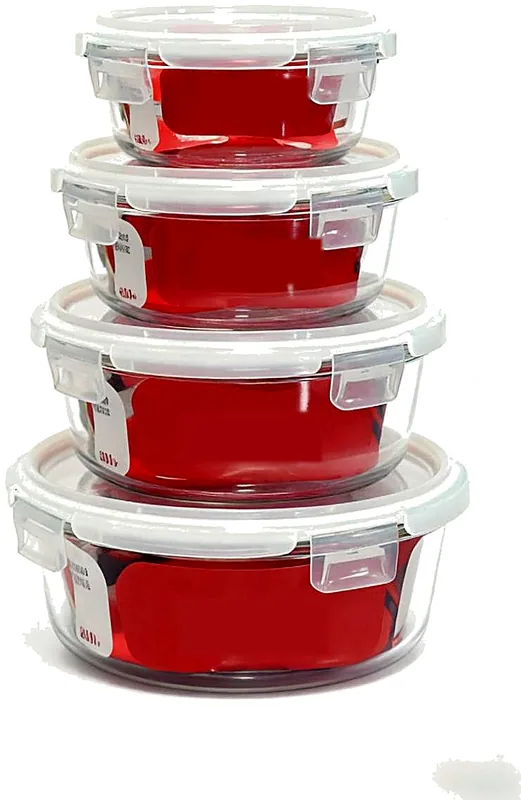
We put certification status, test reports and packaging requirements on the written quote, with lead time, packing and delivered cost to your address. Other glass containers in the same line follow the same questions: TVD-775 Deep Glass Food Containers with snap lids, TVD-776 Glass-Lid Food Containers with an all-glass vented lid, and TVD-1870 Round Glass Food Containers with Locking Lid. Compare them on the glass food storage and tableware line page.
Ordering is simple: how ordering works explains quotes, trial minimums, samples and the 30% deposit and 70% before release. Request a quote and ask for the paper list above. Rules change, and this guide is not legal advice, so confirm requirements with Health Canada, your health unit or your customs broker.