Certification guide ·
Decorated Glass and Opal Tableware in Canada: What to Ask For on TVD-1912 and Six Related Products
A gold-line rim, a black decal or a printed canister adds retail appeal and a testing question. This guide covers the Canadian rules that matter for seven decorated or textured glass products and the documents to request.
Why decoration changes the paperwork
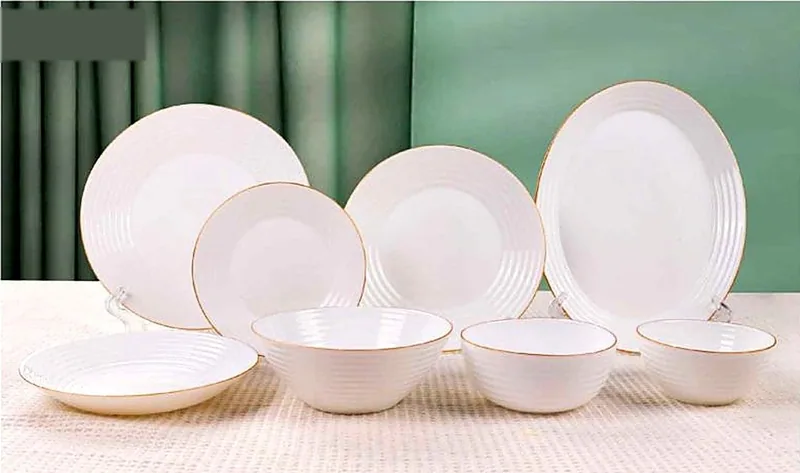
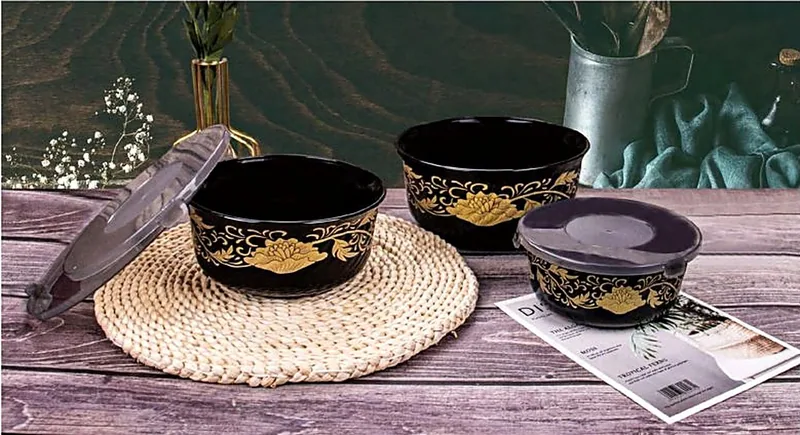
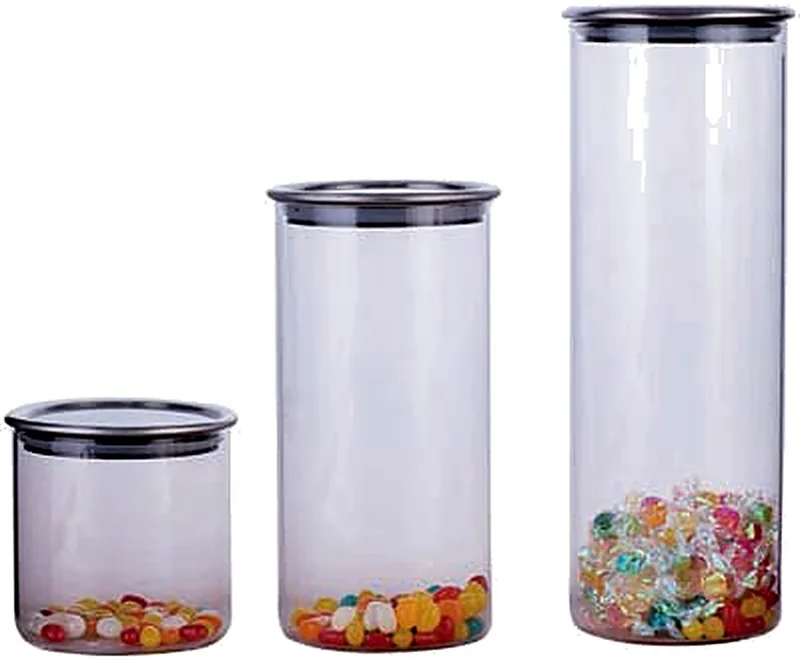
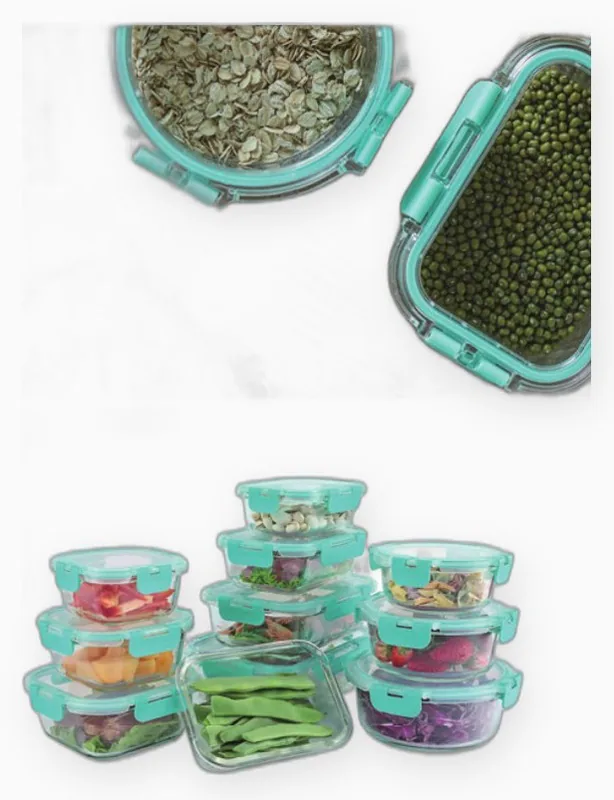
Plain clear glass raises a short list of questions for a Canadian importer. Add a gold line, a black decal, a coloured ring or printed lettering and the list grows, because the decoration is a second material fused or printed on the first. This page covers seven products in our glass range where decoration or texture is part of the story: TVD-1874 (Ribbed Glass Round Bowls), TVD-1891 (Glass Containers – Blue Rim Vent Lid), TVD-1900 (Opal Glass Wavy-Rim Dinnerware), TVD-1912 (Opal Glass Dinner Set – Golden Rim), TVD-1913 (Opal Glass Dinner Set – Coloured Rim), TVD-1914 (Black Decal Salad Bowl Sets with Lids) and TVD-2016 (Glass Canisters – Metal or Silicone Lid).
No certification mark is on file for any of them, and we will not imply one. What follows is what a buyer in Canada should request and why. We confirm certification status and send the documents with the quote before you order.
The rules that apply to food-contact glass
- The Food and Drugs Act prohibits selling food in or with materials that may make it harmful. Health Canada does not pre-approve kitchenware.
- The Glazed Ceramics and Glassware Regulations under the Canada Consumer Product Safety Act limit lead and cadmium that can leach from glazed ceramics and glassware that contact food.
- The Consumer Products Containing Lead Regulations set lead limits that include kitchen utensils and products for young children.
- Under the Consumer Packaging and Labelling Act, prepackaged consumer products need bilingual product identity and net quantity, and the dealer's name and place of business.
- In Quebec, the Charter of the French language requires labels, instructions and warranty documents to be available in French.
Rules change, and this is not legal advice. Confirm with the authority, your inspector or customs broker.
Decoration by decoration
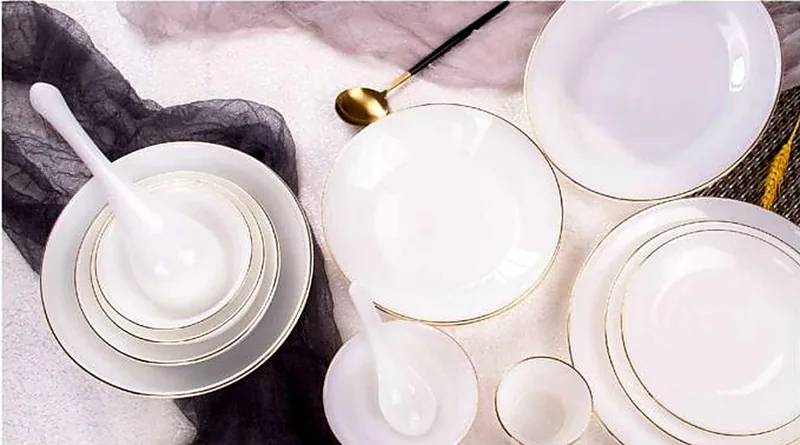
Gold-line rim (TVD-1912). The 24-piece boxed sets with a gold-line rim on opal glass are the clearest example of a decorated edge. The rim is where lips meet glass, so ask for a lead and cadmium report that names the gold decoration. Also ask how the decoration is fixed and whether the factory rates it for dishwasher use, since metallic lines can wear in repeated washing.
Coloured rims (TVD-1913). Black, grey, blue and red rims, plus tan and brown options, mean several colour formulations in a single listing. Colours differ in what pigments they use, so ask for test reports that cover each colour you intend to order, not a single representative colour.
Black with gold decal (TVD-1914). The salad bowl sets in 5.5, 6.5 and 7.5 inch sizes come with lids and a gold decal on black opal glass. Decal placement relative to the rim matters, so ask for confirmation of where the decal stops and whether it touches the food-contact zone. Lids need their own food-contact documentation.
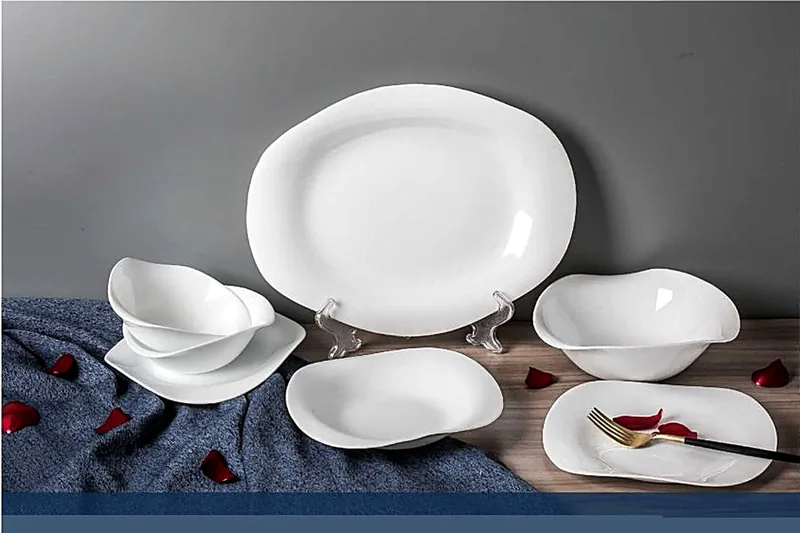
Wavy rim (TVD-1900). The flowing rim is a shape, not a decoration, but the range includes bowls from 6 to 12 inches and flat, soup and oval plates. If any colour or print is applied, treat it as decorated and request the matching report.
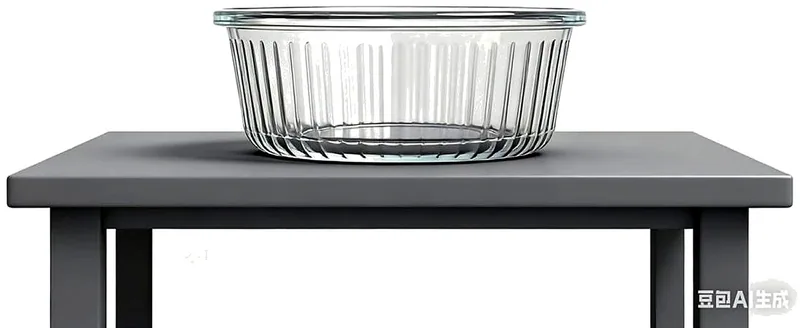
Ribbed bowls (TVD-1874). Moulded ribbing is texture in the glass. It is not a printed decoration, yet we flag it here for cleaning checks and for any rim finish on the version you order.
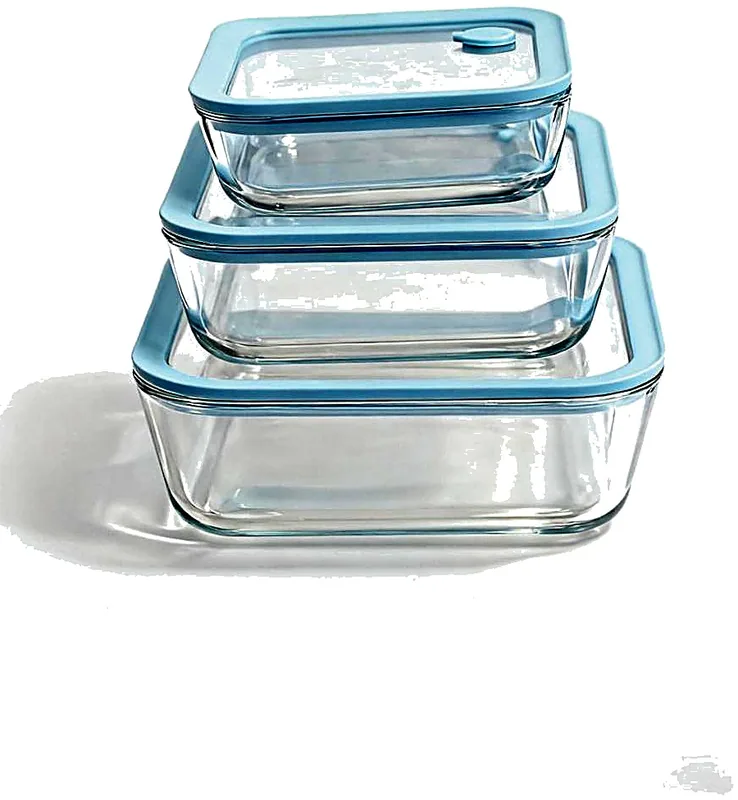
Blue-rim vented lids (TVD-1891). A blue rim on a vented lid is a coloured part that sits close to food and to the user's hands. Ask what the rim is made of and whether it contacts food.
Printed canisters (TVD-2016). Tall clear canisters come with a metal or silicone lid, in three sizes, plain or printed. Print on the outside of a food jar is lower risk than a decorated lip, but ask the factory to say where the print sits, and request documentation for the metal or silicone closure and its seal.
Document checklist
| Document | Why you need it | Who issues it |
|---|---|---|
| Food-contact test report for glass body | Shows materials do not make food harmful | Independent test laboratory, via the factory |
| Lead and cadmium leach test covering decorated areas | Addresses the glassware regulation for rims, decals and print | Independent test laboratory, via the factory |
| Test report for lids, seals and closures | Metal, silicone and plastic parts touch food too | Independent test laboratory, via the factory |
| Written heat and dishwasher rating | Metallic decoration and lids may have lower limits than the glass | Factory |
| Bilingual label artwork and net quantity | Required for prepackaged consumer sets | Dealer, with our help on the artwork |
| French instructions and warranty text | Quebec retailers expect them | Dealer or retailer |
Provincial and retailer differences
Federal rules do not change at a provincial border, but retailers do. Quebec stores will ask for French on packaging and instructions, large grocery and housewares buyers often add their own test requirements, and a hotel or restaurant group may ask for a specific report format. Ask your buyer what they want before you place an order, so the factory can produce it at the right time.
If a document is missing
A retailer can refuse to list the item, a landlord or franchisor can refuse it in a kitchen, and a regulator can act on a product that may be a danger to health under the Canada Consumer Product Safety Act, which also allows recalls and requires incident reporting. Glass with decoration that leaches lead or cadmium is exactly the kind of risk those rules were written for. Prevention costs one report.
How we handle it
Each quote states the certification status of every item and the documents we can supply, with packing, lead time and delivered cost. Payment is 30% deposit and 70% before release, samples are available on most items, and low trial minimums are common. See how ordering works and the quote request form.
Individual product guides cover the same items in buying terms: ribbed bowls, blue-rim vent lid containers, wavy-rim dinnerware, golden-rim dinner sets, black decal salad bowl sets and glass canisters. For a comparison with a plainer container, read Glass Containers – Removable Ears (TVD-774) and its compliance notes. Marks that matter on electrical goods are explained in CSA, cUL and cETL marks explained, though they do not apply to plain glass.