Certification guide ·
Glass Food Storage Containers in Canada: Food-Contact, Glass and Labelling Rules Before You Import
Glass containers and opal dinnerware do not carry one single Canadian certificate. They are governed by food-contact, glassware and labelling rules, and the evidence you collect from the factory is what protects you.
The short answer for glass food storage
There is no single mark that makes glass food storage "approved" for Canada. Instead, several rules apply together: food-contact safety, limits on lead and cadmium for glassware, bilingual labelling for prepackaged goods, and, for certain products in this range, electrical or battery rules. None of the products named below has a certification on file with us, so we do not describe any of them as certified, listed or approved. What we do is confirm certification status and supply the documents with the quote before you order. Rules change, so confirm with the authority, your inspector or customs broker; this is not legal advice.
Food-contact rules
The Food and Drugs Act prohibits selling food in or with materials that may make it harmful. Health Canada does not pre-approve kitchenware. It offers voluntary Letters of No Objection for food packaging materials, which is a different thing from approving a lunch box or a casserole. In practice, buyers ask the factory for food-contact test reports, for example FDA or EU migration tests, and keep them on file for retailers, landlords and inspectors. Provincial food premises regulations and public health inspectors also expect food equipment to be durable, easy to clean and kept sanitary. Many inspectors and franchisors ask for NSF/ANSI or equivalent sanitation certification on commercial food equipment, so a restaurant or caterer should check what its health unit asks for.
Glass, opal glass and the lead and cadmium limits
The Glazed Ceramics and Glassware Regulations under the Canada Consumer Product Safety Act set limits on lead and cadmium that can leach from glazed ceramics and glassware that contact food. Plain clear glass is a lower concern; decorated rims and printed or metallic decoration near the lip are a known risk. That affects different products in our line in different ways:
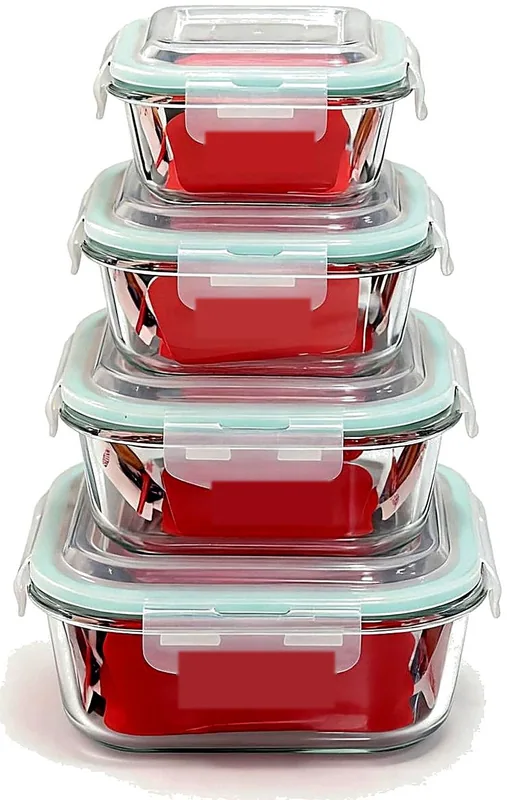
- Clear glass bodies, such as those of Deep Glass Food Containers (TVD-775) and Glass-Lid Food Containers (TVD-776), still need a food-contact report, and a lead and cadmium report is a sensible request.
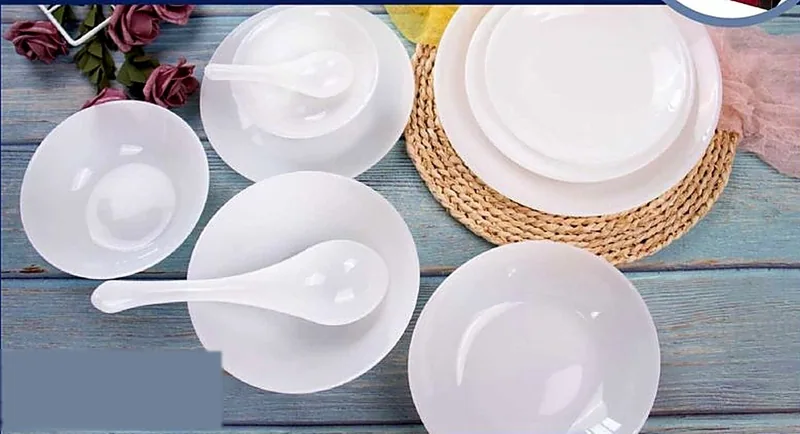
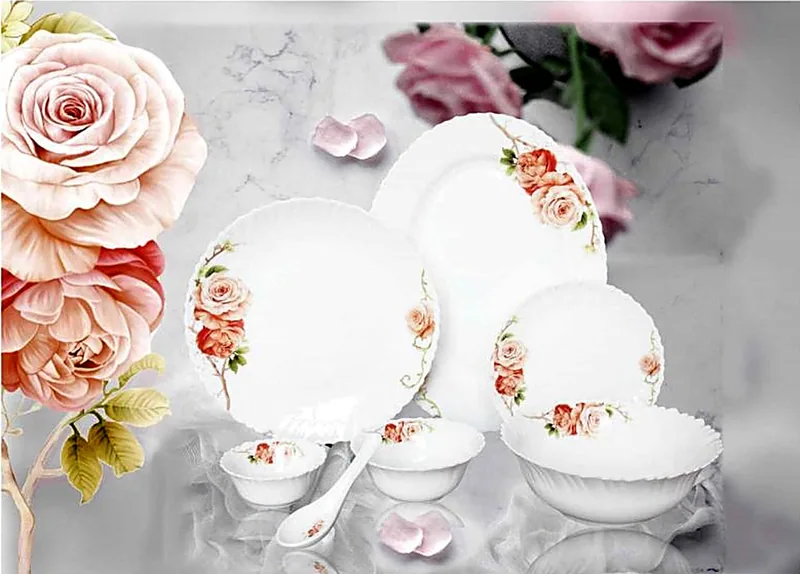
- Opal glass dinnerware, such as Opal Glass Dinner Sets (TVD-777), is tableware that contacts food and the lip, so the same limits apply.
- Decal and gold-line decorated pieces, such as Decal-Pattern Dinnerware (TVD-780), carry the highest risk because decoration sits where lips and food touch. Ask for a lead and cadmium test report on the decorated areas specifically; our guide for decorated glassware goes deeper.
The Consumer Products Containing Lead Regulations also set lead limits that include kitchen utensils and products for young children, which matters for items sold with spoons, scoops or dippers, such as the glass honey jar with dipper (TVD-2020) and the glass sugar bowl with spoon (TVD-2019).
Lids, wood, bamboo and silicone
The line is not only glass. Many containers pair a glass body with a lid made from a different material. Bamboo and wood lids, such as Glass Containers – Bamboo Lids (TVD-2771) and Glass Containers – Acacia Wood Lids (TVD-2772), call for food-contact tests on the finishes and glues; melamine-bamboo blends are not for microwave use. Silicone lids, as on Glass Storage Cups – Silicone Lid (TVD-1890), and coloured plastic lids call for a material identity and a food-contact report as well. Ask for one report per material in the product, not one report for the whole set.
Powered or battery parts
Glass Containers with Vacuum Pump (TVD-2769) is the one product in this group where a mechanical or electrical component is part of the story. If the version you order includes a battery-powered or mains-powered pump, electrical rules come into play. Electrical products sold or installed in Canada must carry a mark from a certification body accredited by the Standards Council of Canada, such as CSA, cUL or cETL, or a field evaluation label, and a US-only mark is not enough. Battery-only items follow general consumer product safety rules, and lithium batteries have dangerous-goods shipping rules. If the pump is manual, none of this applies. Ask which version is quoted. Our explainer on CSA, cUL and cETL marks covers what the marks mean.
Document checklist
| Document | Why you need it | Who issues it |
|---|---|---|
| Food-contact test report for each material (glass, lid, gasket, cutlery) | Shows the materials that touch food are suitable, so you can answer a retailer or inspector | Accredited test laboratory, supplied by the factory |
| Lead and cadmium report for glass and decorated areas | Supports compliance with the glassware limits, especially on rims and decals | Test laboratory |
| Lead report for utensils and spoons | Utensils fall within the lead rules for kitchen items | Test laboratory |
| Written heat and dishwasher use limits | Backs up any oven, microwave, freezer or dishwasher statement on your packaging | Factory, in writing on the quote |
| Bilingual packaging text and net quantity | Prepackaged consumer products need bilingual identity and net quantity plus dealer name and place of business | You, with our packaging confirmation |
| Canadian electrical mark (only if a powered part is included) | Required for electrical products sold in Canada | Accredited certification body |
| Sanitation certificate (when your health unit asks) | Some inspectors and franchisors request it for commercial food equipment | Certification body |
Labelling and provincial differences
Under the Consumer Packaging and Labelling Act, prepackaged consumer products need bilingual English and French product identity and net quantity, plus the dealer's name and place of business. In Quebec, the Charter of the French language requires labels, instructions, manuals and warranty documents to be available in French, with French at least as prominent. Quebec retailers will ask for this, so decide on packaging language before production, not after.
How rule differences show up across the line
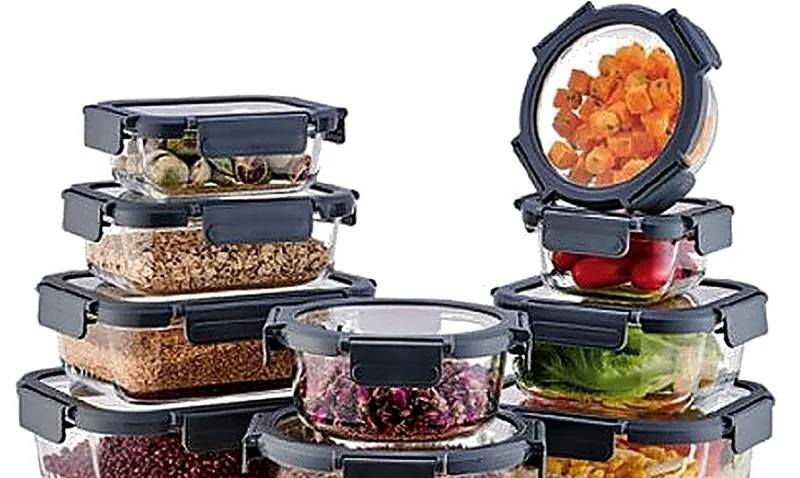
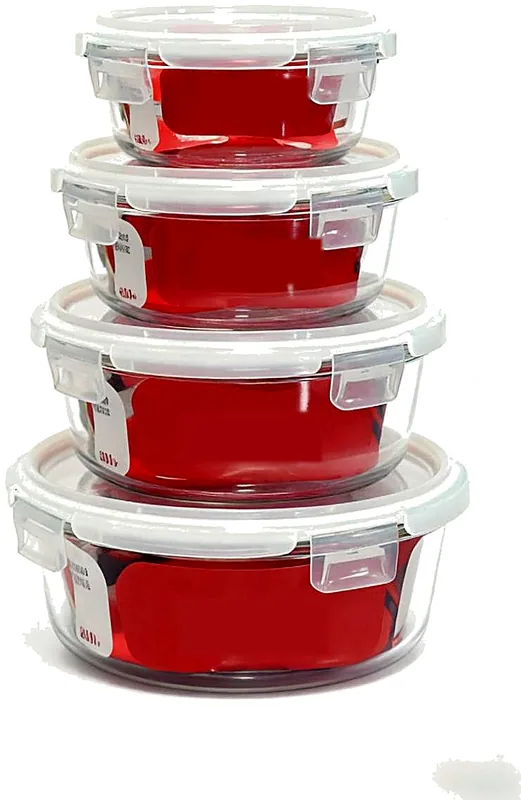
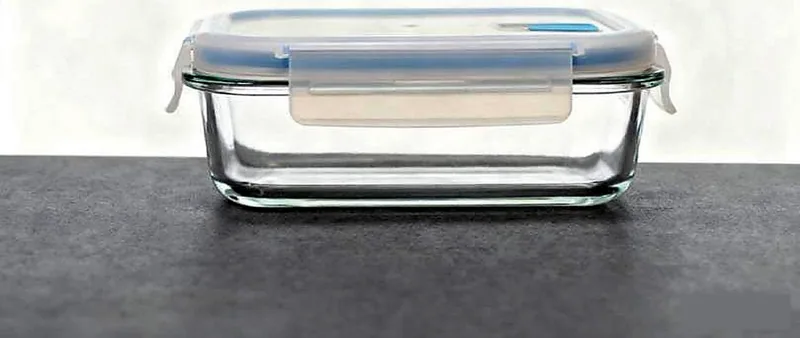
A few products in the range make the differences concrete. The rectangular clip-lid containers (TVD-1871) and smooth rectangular containers (TVD-1872) are plain clear-glass storage where the focus is food-contact and lid material evidence. The ribbed containers with yellow lids (TVD-1873) add a coloured lid, so the lid colour source also matters. Compact products such as the mini containers with pink lids (TVD-1885) and small square and rectangular containers (TVD-1886) raise retail packaging and labelling questions first. Round and divided sets, such as the stackable round set (TVD-1875), mixed-shape set with white lids (TVD-1876) and divided containers with teal lids (TVD-1880), are typically bought by retailers and meal-prep users, where the heat-use statement matters most.
What happens if documents are missing
- A retailer's compliance team may refuse to list the product until reports are supplied.
- An inspector at a food premises can question equipment that cannot be shown to be suitable for food.
- If a product is found to be a danger to health or safety, the Canada Consumer Product Safety Act allows recalls and requires incident reporting; Health Canada enforces it.
How we handle it
When you ask for a quote on any product in this group, we confirm material and grade, ask the factory for the food-contact and lead and cadmium reports for your market, and state the certification status plainly. Where a component is powered, we confirm whether a Canadian mark exists or whether a field evaluation would be needed. Duty and tax depend on tariff classification and origin; our customs broker confirms classification before we quote a delivered cost, and provincial sales tax follows the province of delivery (see the sales tax guide). Payment is 30% deposit and 70% before release, and the process is explained on how ordering works. Start with the quote request, or browse the glass food storage and tableware range and the wholesale guide.