Product guide ·
Glass Storage Jars – Black Lid (TVD-2867): wholesale buying guide for Canada
Clear glass jars with black lids come in two sizes and several styles. This guide explains the glass rules, lid questions and packing points before you order.
What TVD-2867 is
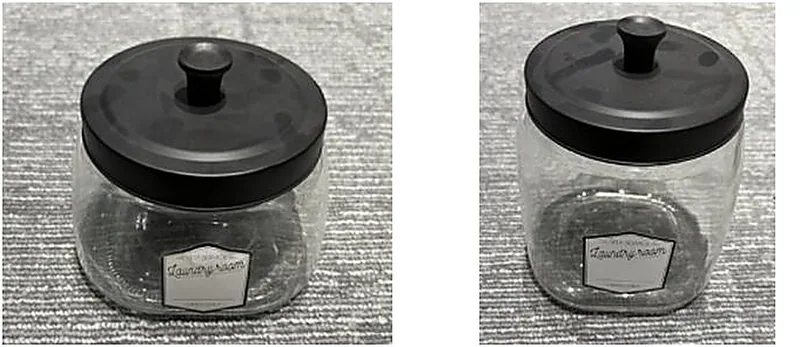
The Glass Storage Jars – Black Lid (TVD-2867) are clear glass jars with black lids, sold in two sizes and several styles. The listed features give no capacities, no glass type (soda-lime or borosilicate), no lid material and no seal description. Each of these is confirmed on your written quote, and you should have them before you set a shelf layout or write a product description.
Clear glass with a black lid is a recognisable pantry look. It suits shops that sell to people who want matching storage on open shelves, because the contents show through and the lids give uniform colour.
Who buys glass jars like these
- Gift shops and homeware retailers: two sizes make a natural matched pair or a trio when combined with another size.
- Delis, specialty food shops and home bakers: jars for dry mixes, granola, spices, coffee beans and dried fruit, sold filled or empty.
- Cafés: counter display of coffee, sugar, biscotti and tea, where a glass jar looks better than plastic.
- Online sellers: sets and size ladders convert well, but glass increases shipping weight and breakage risk, so packing counts.
- Event planners: candy bars, favour jars and table displays, subject to lid and glass checks.
- Households: pantry and countertop storage.
The glass rules a buyer should know
Glass that touches food is covered by the Glazed Ceramics and Glassware Regulations under the Canada Consumer Product Safety Act: they set limits on the lead and cadmium that can leach from glassware that contacts food. A plain clear jar is the low-risk end, but the black lid and any printed or metallic decoration near the lip deserve a question. Decorated rims and printed or metallic decorations near the lip are a known risk, so ask for a lead and cadmium test report that covers the jar and any decoration or coating.
The Food and Drugs Act also prohibits selling food in or with materials that may make it harmful. Health Canada does not pre-approve kitchenware, so buyers commonly ask the factory for food-contact test reports (for example FDA or EU food-contact migration tests) covering the glass, the lid and any seal. No certification mark is on file for TVD-2867, so we do not call it certified. We confirm certification status and supply the documents with the quote before you order. For the wider glass and ceramics rules in this line, read the line-wide guide to food, glass and ceramic rules.
The black lid
The lid is the part with the most unanswered questions. It might be plastic, metal or another material; it might clip, screw or sit loose; it might have a silicone or rubber ring. That decides whether the jar is truly airtight, whether it handles oily contents and whether it can go in a dishwasher. Ask the factory for the lid material, the seal material and a written statement of what the jar is rated for. A lid that looks sealed but is not can ruin a moisture-sensitive product such as crackers or flour.
Specification checklist
- Glass type and thickness, and whether the glass is tempered.
- Capacity and dimensions of each of the two sizes, plus the piece count per set if sold as a set.
- Lid material, closure type and seal material.
- Whether the jars are rated for oven, microwave, freezer or dishwasher use; confirm in writing, and do not assume that glass is heat-proof.
- Lead and cadmium and food-contact test reports for glass and lid.
- Style options, colour of lid, any printed decoration and logo options.
- Retail packaging, barcode, label language and carton quantity.
- Inner carton protection for breakage, and carton dimensions and weight.
Packing, breakage and Canadian freight
Glass is the single product in this line where packing decides profit. Jars can arrive chipped or cracked even with minor rough handling, so ask how each jar is separated in the carton, whether there are dividers or foam and what the factory's breakage experience is. Cold weather matters too: glass that goes from an unheated container or truck to a warm store can crack from thermal shock, so let cartons come to room temperature before opening in winter. Heat tolerance is not the same as thermal-shock tolerance, so do not make hot-fill or oven claims without written support.
When a jar is sold filled, the Consumer Packaging and Labelling Act requires bilingual product identity and net quantity plus the dealer's name and place of business. An empty jar sold as housewares is a consumer product under the CCPSA, which Health Canada enforces. In Quebec, labels and any instructions must be available in French.
How it compares with others in the line
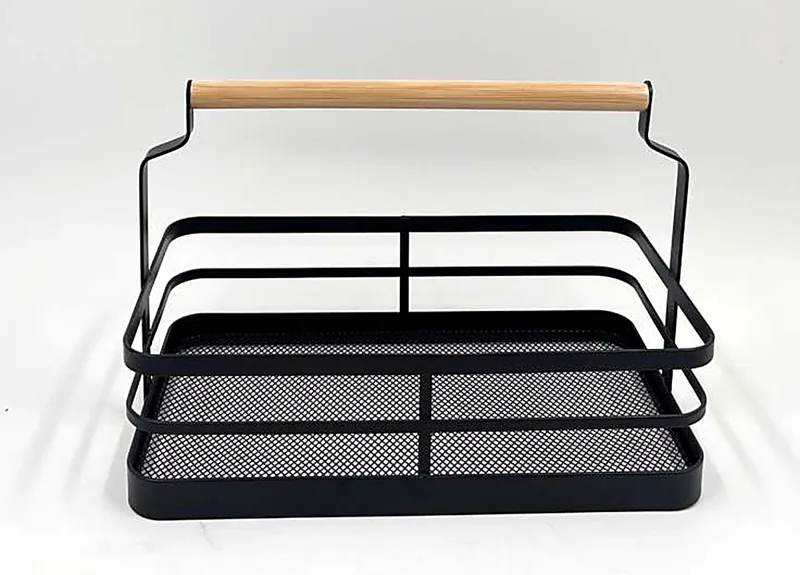
- Carry Basket – Black Mesh, Wood Handle (TVD-2395) is a metal wire storage piece with a wood handle. A basket of jars is a common gift-shop arrangement.
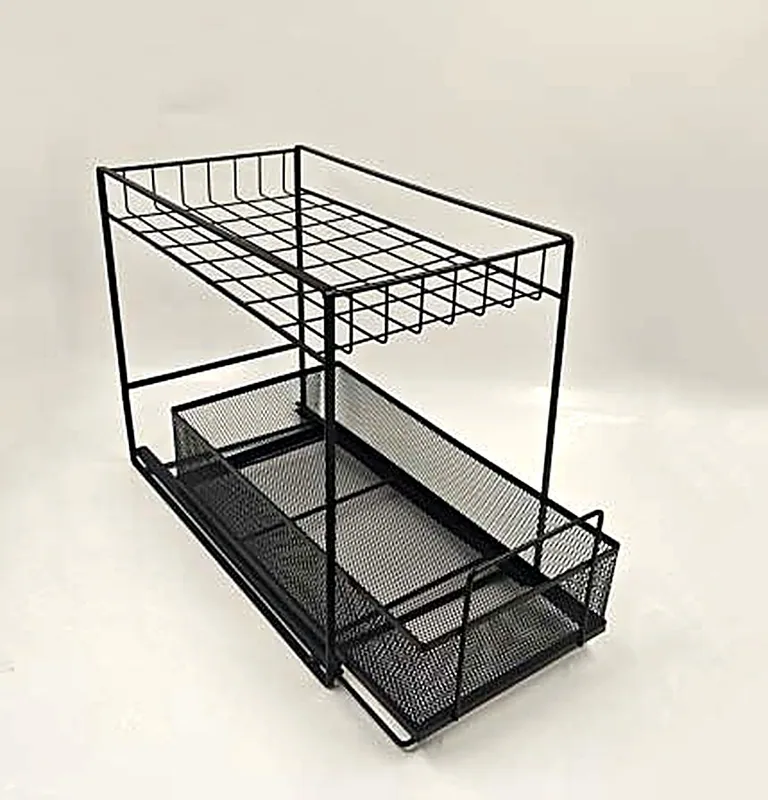
- Under-Sink Pull-Out Rack – Black (TVD-2437) is wire-based and sits where jars are not suitable, in damp cabinets.
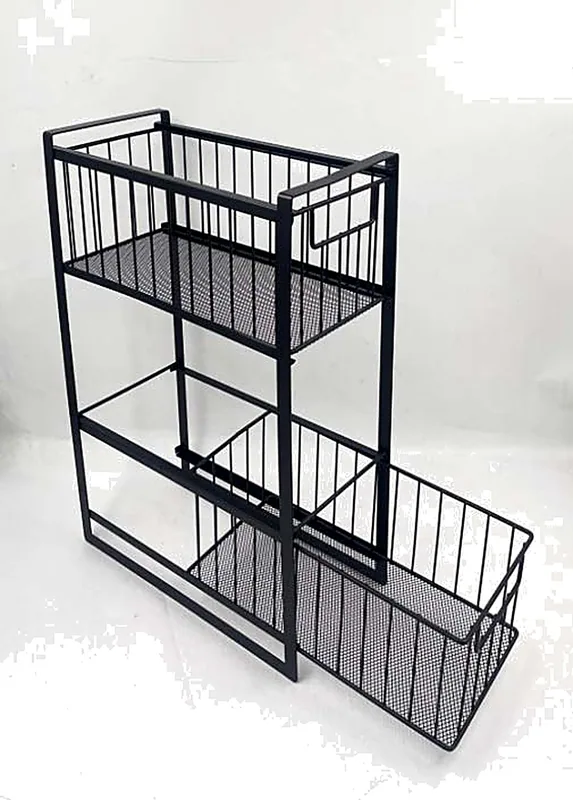
- Slim 3-Tier Storage Rack – Black (TVD-2440) offers three levels of mesh shelving that suits a jar display, provided the quote confirms load.
You can browse the whole kitchen storage baskets and racks line and read the wholesale guide to plan a mixed order.
Ordering
Pricing is quoted in writing for the quantity and delivery address, together with specifications, certification status, packing and lead time. Many lines have low trial minimums, samples are available on most items with sample cost usually credited to the first order, and payment is 30% deposit and 70% before release. For glass, order a sample and a short test shipment first. Use the quote form and see how ordering works. Tax by province is explained in the sales tax guide. Rules change, so confirm with the authority or your customs broker; this is not legal advice.