Certification guide ·
Glass Spice Jars, Storage Jars and Food Bowl Sets in Canada: Compliance and Import Rules
Glass that holds food needs more paperwork than wire racks. This guide covers lead and cadmium limits, food-contact evidence, bilingual labels and the documents to request.
Why glass kitchen storage gets its own rulebook
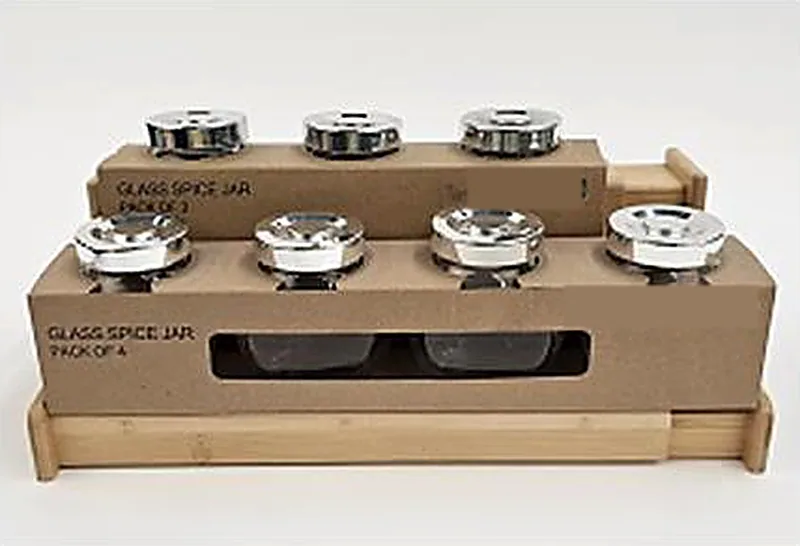
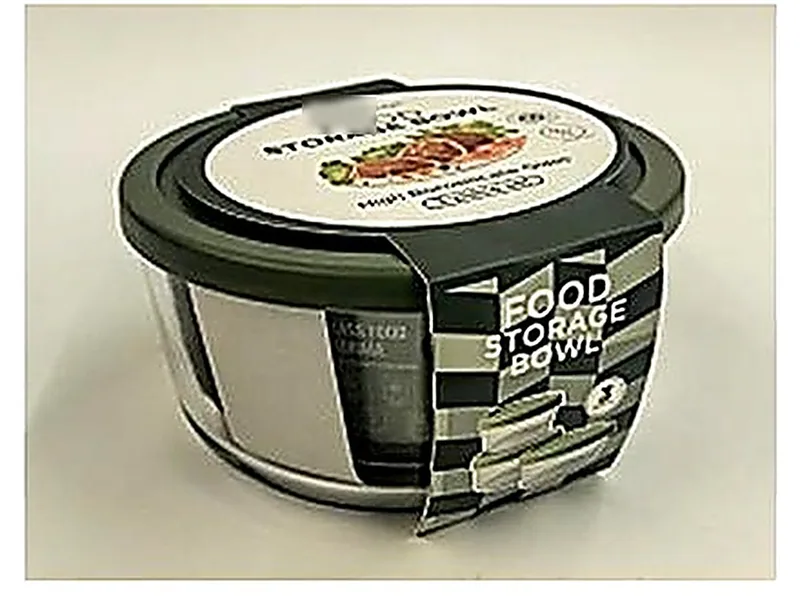
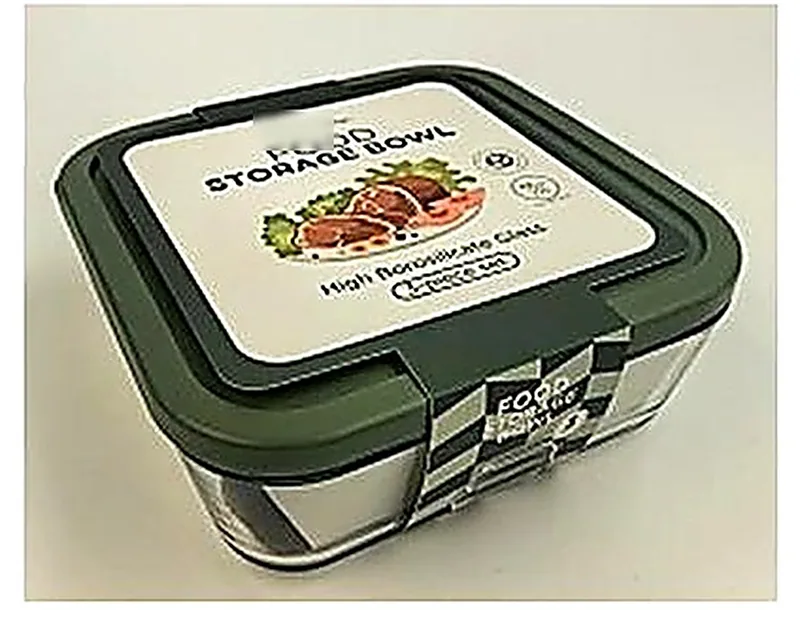
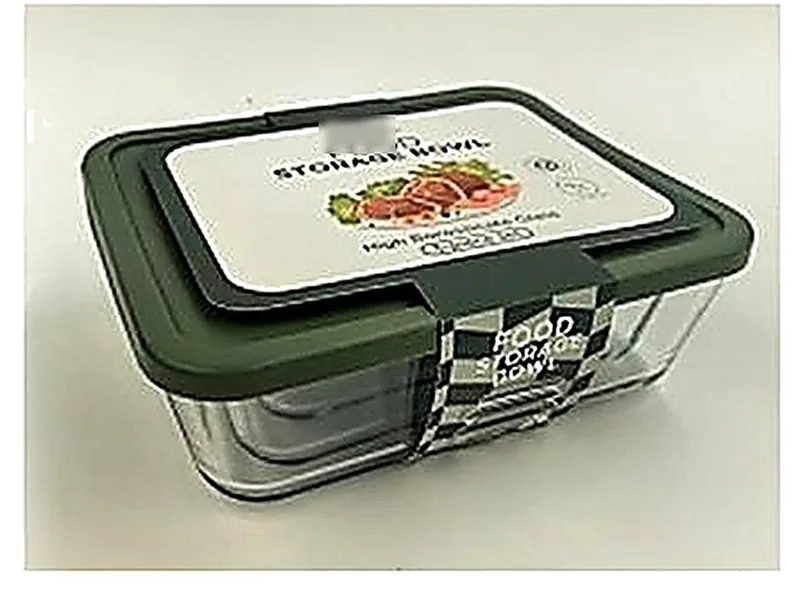
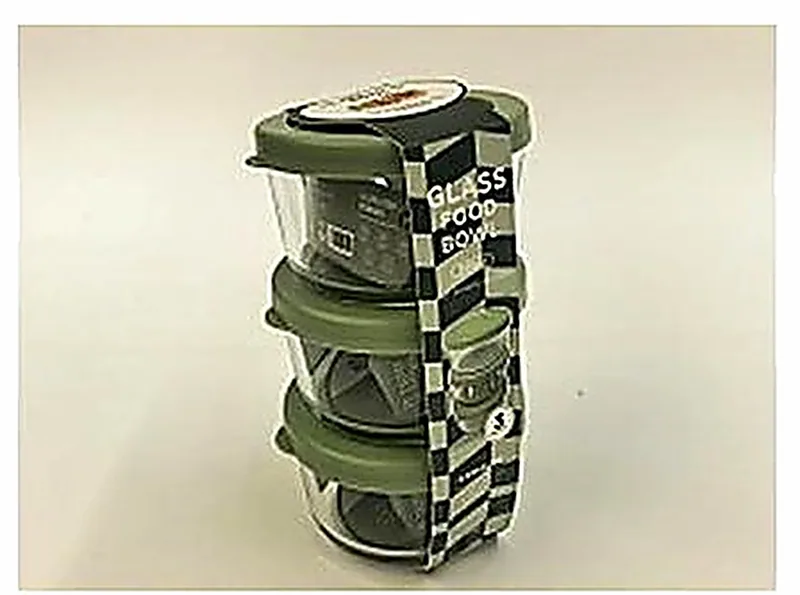
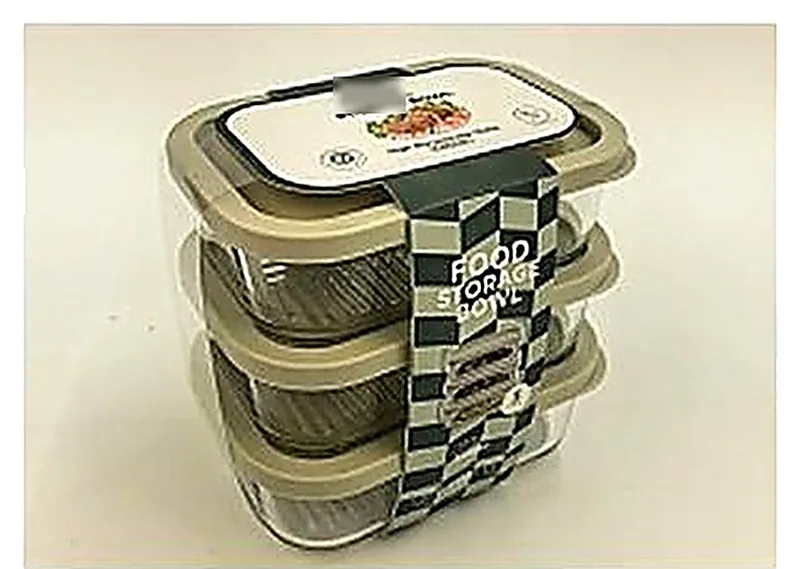
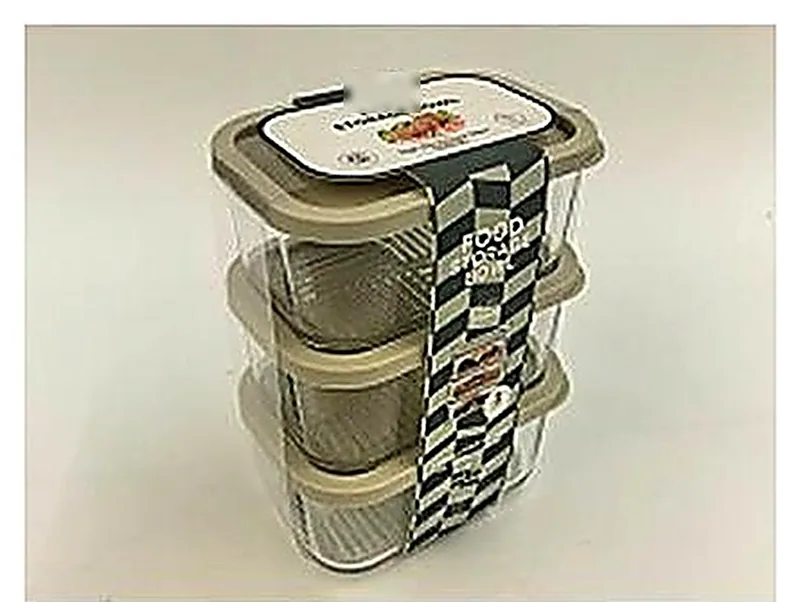
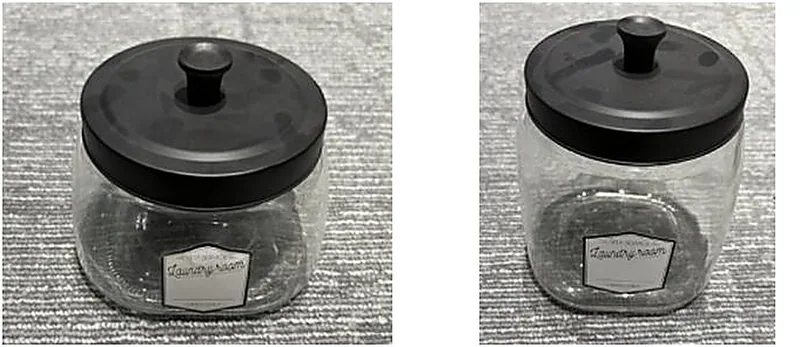
Wire racks and mesh baskets are mostly a question of coating and finish. Glass is different. Anything made of glass that holds food touches the food, can chip, and may carry decoration near the lip. That is why glass jars and bowls attract more import questions than the rest of the kitchen storage line. This guide covers the glass pieces and the one bamboo rack that sit in our kitchen storage baskets and racks line: the Glass Spice Jar Set with Bamboo Rack (TVD-2806), the Round Glass Food Bowl Set – Green (TVD-2858), the Square Glass Food Bowl Set – Green (TVD-10266), the Rectangular Glass Food Bowl Set – Green (TVD-10267), the Stacked Round Glass Bowls – Green (TVD-10268) and the Glass Storage Jars – Black Lid (TVD-2867). Two more taupe bowl sets, the Stacked Glass Food Bowls – Taupe, Square (TVD-10269) and the Stacked Glass Food Bowls – Taupe, Rect. (TVD-10270), follow the same rules as the green ones.
This is a buyer's orientation, not legal advice. Rules change, so confirm requirements with the authority, your inspector or your customs broker.
Is any certification mark on file?
No. For none of the products above do we hold a certification mark. That is normal for glass kitchenware in Canada, because there is no federal pre-market approval scheme. Health Canada does not pre-approve kitchenware; it offers voluntary Letters of No Objection for food packaging materials. What you can and should obtain is evidence: test reports from the factory and a clear written specification. We confirm certification status and supply the documents with the quote before you order.
The rules that apply to glass that contacts food
- Food and Drugs Act. It prohibits selling food in or with materials that may make it harmful. Every glass jar, lid, gasket or bowl in this guide must be fit for food contact.
- Glazed Ceramics and Glassware Regulations (under the Canada Consumer Product Safety Act). These set limits on lead and cadmium that can leach from glass and glazed ceramics that contact food. Decorated rims and printed or metallic decorations near the lip are a known risk, so ask for a lead and cadmium test report.
- Consumer Products Containing Lead Regulations. They set lead limits that include kitchen utensils and products for young children; relevant if a set is sold for children's use.
- Canada Consumer Product Safety Act. It prohibits products that are a danger to human health or safety, requires incident reporting and allows recalls. Health Canada enforces it. A cracked glass edge is a safety matter as well as a quality one.
Document checklist
| Document | Why you want it | Who issues it |
|---|---|---|
| Lead and cadmium test report on glass and any decoration | Shows leaching limits are met for glass that touches food | An accredited test laboratory, requested through the factory |
| Food-contact test report (for example migration tests) | Common buyer request for lids, gaskets and coatings | Factory or an independent laboratory |
| Written specification: glass type, wall thickness, lid material | Lets your inspector and your quality team review the product | Factory, confirmed on our quote |
| Heat, freezer, microwave or dishwasher statement | Prevents misleading on-pack claims; stated only if the factory supports it | Factory, confirmed on our quote |
| Bamboo finish and glue test results (TVD-2806 rack) | Bamboo racks use coatings and adhesives | Factory or laboratory |
| Bilingual label and packaging artwork | Prepackaged consumer goods need English and French identity and net quantity | You and your packaging designer, checked by us on request |
How the products differ in what they need
Glass spice jars with a bamboo rack (TVD-2806). Six glass jars of 190 ml and a drawer-style bamboo rack. Request the glass test report plus food-contact results for the finish on the bamboo. Our product guide for TVD-2806 goes through the retail points.
Glass bowl sets (TVD-2858, TVD-10266, TVD-10267, TVD-10268, TVD-10269, TVD-10270). These share one product description: glass bowls and boxes with lids, sizes from 240 ml to 1700 ml, stackable sets of two to three. They differ by shape and colour. The lids matter as much as the glass; ask what the lid and any seal are made of. Heat tolerance is not stated in the product description, so oven, microwave, freezer and dishwasher claims must be confirmed in writing before they appear on a label. See the collection guide for these bowl sets.
Glass storage jars with black lids (TVD-2867). Clear glass with black lids, in two sizes and several styles. The lid colour is a coating or a pigment in the plastic or metal; ask for a food-contact statement on the lid material. Read the TVD-2867 guide too.
CE marks and Canadian marks
Canada does not recognise the European CE mark as proof of compliance for consumer products, so a glass set carrying a CE mark still needs to meet the Canadian requirements above. The electrical marks explained in our guide to CSA, cUL and cETL marks do not apply to glass jars and bowls, because they have no powered parts. They matter only if you pair glass with an electric accessory, in which case the accessory needs a Canadian certification mark.
Packaging, labelling and Quebec
If you sell a prepackaged set in a retail box, the Consumer Packaging and Labelling Act needs bilingual product identity and net quantity, plus the dealer's name and place of business. In Quebec, the Charter of the French language requires labels, instructions, manuals and warranty documents to be available in French, with French at least as prominent as any other language. Retailers there will ask. Agree the artwork language with the factory early, because reprinting boxes after production is slow.
Provincial differences that matter to a buyer
Food premises regulations are provincial, and public health inspectors review the equipment that cafés and caterers use. Many inspectors, landlords and franchisors ask for NSF/ANSI or an equivalent sanitation certification on commercial food equipment; check what your health unit asks for, because household-grade glass may not satisfy a commercial kitchen. Retailers face no provincial pre-approval for glassware, but large chains may demand their own test reports.
What happens if a document is missing
A missing lead and cadmium report is the common failure. The consequences range from a buyer declining to list the product, to a retailer pulling stock after a complaint, to a recall under the Canada Consumer Product Safety Act in the worst case. A customs broker may also hold a shipment for classification questions. Duty depends on the tariff classification and origin, and GST, HST, PST or QST apply by the province of delivery; see our sales tax guide and the landed cost calculator.
How we handle it
For each quote we state the material, the test reports available and the labelling language, and we flag anything that is missing. You can request samples, and the sample cost is usually credited to the first order. Payment is 30% deposit and 70% before release, and products from several factories can share one container. For the non-glass items in the line, read the food-only compliance guide. Start with the quote request or read how ordering works.