Certification guide ·
Kitchen Storage Baskets and Racks in Canada: Compliance and Import Rules by Product
Wire baskets, dish racks, lunch boxes and food containers meet different Canadian rules. Here is which questions apply to which product, and which documents to ask for.
Kitchen storage baskets and racks look like the simplest products in a catalogue: metal wire, wood handles, plastic lids. Yet different items in the same line meet different Canadian rules. A wire carry basket is mostly a storage question; a dish drying rack touches clean dishes and sits in water; a lunch box with a bamboo lid and cutlery touches food directly. This guide walks through the line product by product so you know which questions to put to the factory before you import.
What is on file and what is not
No certification mark is on file for any product in this line today. None of the products described here is a plug-in or battery appliance, so the electrical marks (CSA, cUL, cETL) that matter for lamps and appliances are not the issue. The live questions are food contact, coatings, labelling and the buyer's own specification. We confirm certification status and supply any documents with the quote before you order. The rules below are general; they change, so confirm them with the relevant authority, your inspector or your customs broker. This is not legal advice.
The Canadian rules that touch this line
- Food and Drugs Act. It prohibits selling food in or with materials that may make it harmful. Health Canada does not pre-approve kitchenware; it offers voluntary Letters of No Objection for food packaging materials. Buyers commonly ask the factory for food-contact test reports, such as FDA or EU migration tests.
- Canada Consumer Product Safety Act. It applies to consumer products: it prohibits products that are a danger to health or safety, requires incident reporting and allows recalls.
- Consumer Products Containing Lead Regulations. They set lead limits that include kitchen utensils and products for young children, which matters for cutlery and for finishes.
- Consumer Packaging and Labelling Act. Prepackaged consumer products need bilingual product identity and net quantity, plus the dealer's name and place of business.
- Quebec. Under the Charter of the French language, labels, instructions and warranty documents must be available in French.
- Food premises. Public health inspectors expect food equipment that is durable, easy to clean and kept sanitary, and many inspectors, landlords and franchisors ask for NSF/ANSI or equivalent sanitation certification on commercial equipment.
Product by product: where the rules bite
| Product | What it is | The question to ask |
|---|---|---|
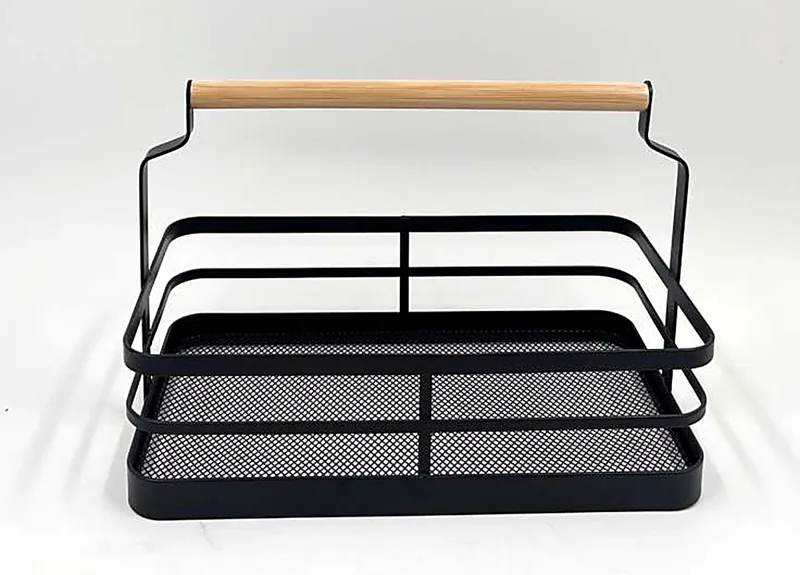
| Carry Basket – Black Mesh, Wood Handle (TVD-2395) | Metal wire, mesh base, wood handle | Coating on the wire, finish and glue on the handle, food-contact reports if it holds unwrapped food |
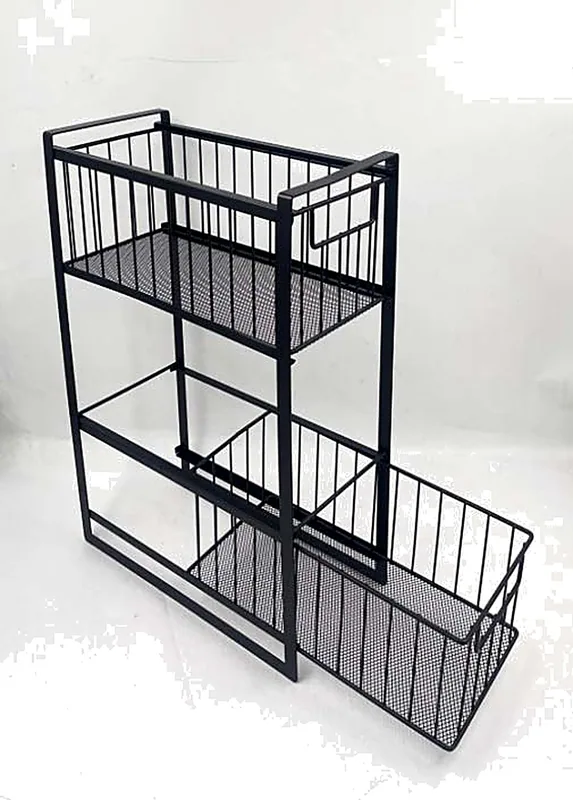
| Slim 3-Tier Storage Rack – Black (TVD-2440) | Slim black mesh, three levels | Load per level, coating for damp rooms, stability when filled |
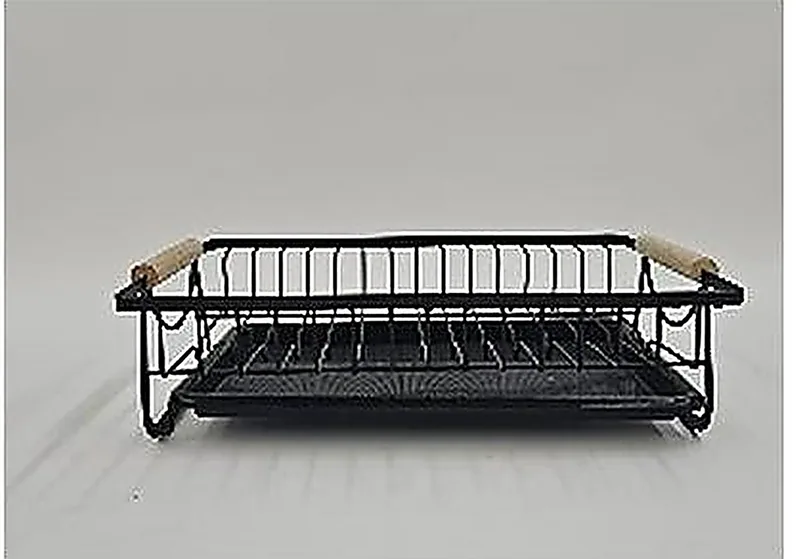
| Black Dish Rack – Wood Handles (TVD-2827) | 42 x 29 x 13 cm, black steel, wood-look ends | Coating that stays intact when wet; whether the drip tray is included on your model |
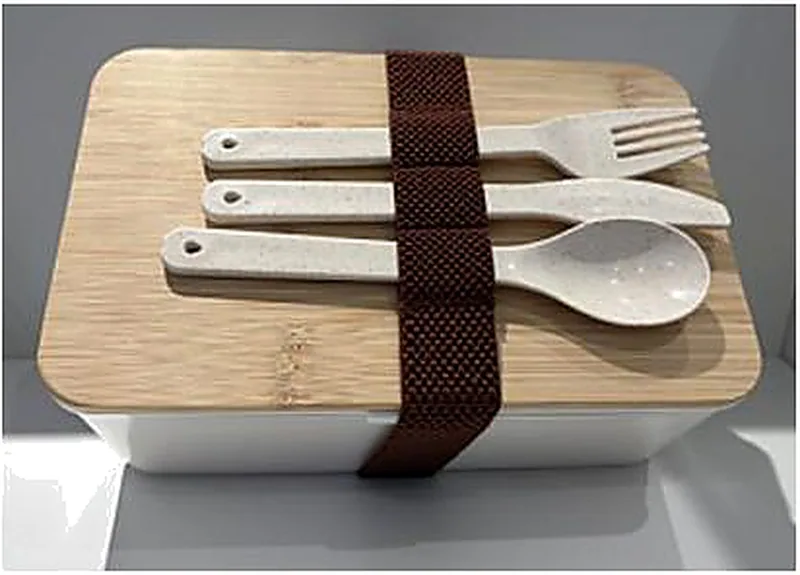
| Lunch Box with Bamboo Lid & Cutlery (TVD-2863) | 19 x 11.5 cm, bamboo lid, cutlery included | Food-contact reports for body, lid and cutlery; microwave claims; lead limits on kitchen utensils |
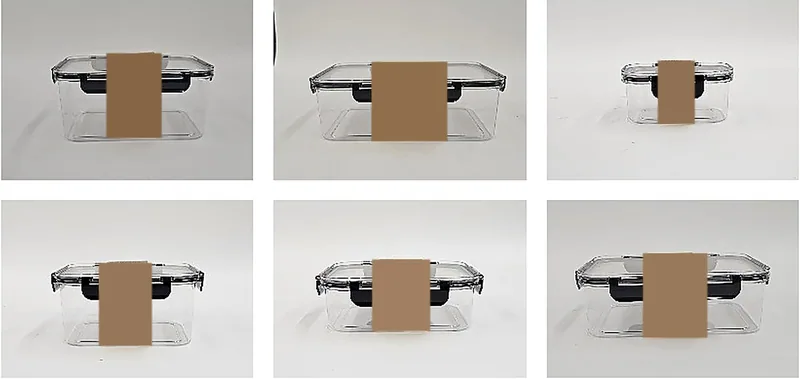
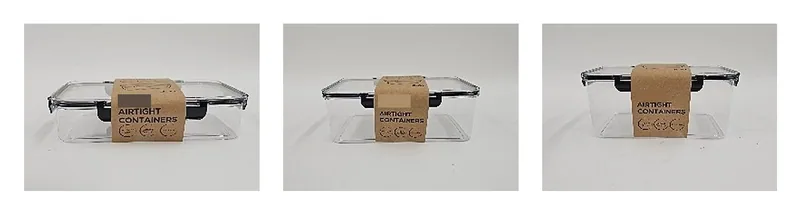
| Airtight Clear Food Containers (TVD-2864) | Clear body, locking lid, 13 to 29 cm lengths | Plastic type and food-contact reports; freezer, microwave and dishwasher ratings only if the factory states them |
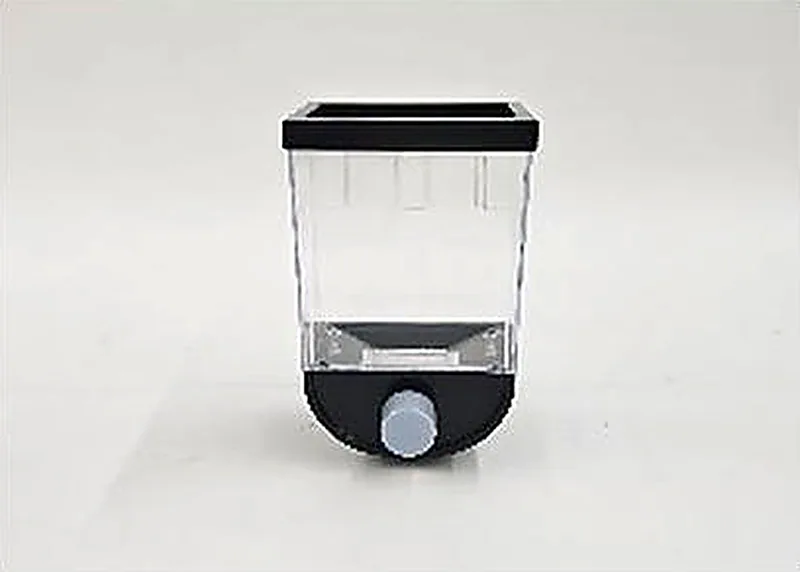
| Dry Food Dispenser (TVD-2866) | 1.5 L capacity, clear body | Food-contact reports, seal material, clarity after dishwashing |
Wire items: coating, damp and stability
The wire baskets and racks in this line are intended for pantry, kitchen or bathroom use, which is damp territory. The issue here is not a certificate but a finish. Ask what the coating is, whether it is plated or painted, what protects cut wire ends, and how it holds up after wet-cloth wiping. If the item will hold unwrapped food, those finishes become food-contact surfaces. Items with a wooden handle or wood-look shelf add questions about the finish and glue; bamboo and wood boards are normally asked to show food-contact tests on finishes and glues. A stacked or multi-tier rack should be checked for load per level, because an overloaded wire shelf bows. For the product-level view, see the carry basket guide and the slim three-tier rack guide.
Dish racks and drip trays
The Black Dish Rack – Wood Handles (TVD-2827) and the Black Dish Drying Rack – Compact (TVD-10271) share the same listed size of 42 x 29 x 13 cm, black steel and wood-look ends, with a drip tray included on some models. Because drip trays are included only on some models, always state on your purchase order whether you need one. For a commercial kitchen the question changes: a health inspector will look at durability and ease of cleaning, and a landlord or franchisor may ask for sanitation certification.
Lunch boxes, containers and dispensers
This is where food-contact rules matter most. A lunch box with a bamboo lid and cutlery brings several materials into contact with food: plastic or other body, bamboo lid and cutlery. Bamboo needs food-contact tests on finishes and glues, and melamine-bamboo blends are not for microwave use, so never write a microwave claim on your packaging unless the factory states it and your test report supports it. Cutlery falls within the lead rules for kitchen utensils. Airtight containers (TVD-2864, TVD-2865) and the Dry Food Dispenser (TVD-2866) need food-contact reports; ask for oven, microwave, freezer and dishwasher ratings in writing and only repeat what the factory confirms.
Document checklist
| Document | Why you want it | Who issues it |
|---|---|---|
| Food-contact test report | Shows materials that touch food were tested for your market | Factory or an independent laboratory |
| Lead and metal-release test report | Backs up finishes, coatings and cutlery | Independent laboratory |
| Material and coating declaration | States what the wire, plating, paint and wood are | Factory |
| Bilingual label and packaging artwork | Meets the product identity and net quantity rules | You, with our help at quote stage |
| French instructions and warranty text | Needed for Quebec retail | You or a translator |
| Sanitation certification, if your buyer asks | Some inspectors and landlords ask for it on commercial food equipment | An accredited certifier; availability confirmed on the quote |
What happens if something is missing
The result is rarely a customs seizure; it is a quieter problem. A large retailer's buyer will not list a food-contact item without a test report. A health inspector can ask a restaurant to replace storage that cannot be cleaned. A Quebec retailer will refuse stock with English-only labels. And a product found to be a danger to health or safety can be recalled under consumer product law. Gathering documents before the order costs far less than fixing them after the container lands.
How we handle it
Every quote states certification status and the documents available, alongside price, specifications, packing, lead time and delivered cost. Browse the kitchen storage baskets and racks line and the wholesale guide, then send a quote request listing the products you want. Payment is 30% deposit and 70% before release; how ordering works has the details and the sales tax guide explains taxes by province.