Product guide ·
Glass Teapot with Warmer Base (TVD-1987): What Cafés, Tea Rooms and Gift Retailers Should Ask
A teapot with a candle warmer solves the oldest problem in table service, tea that goes cold before the second cup. It also adds a flame to the table, which changes the questions a careful buyer should ask.
What TVD-1987 is
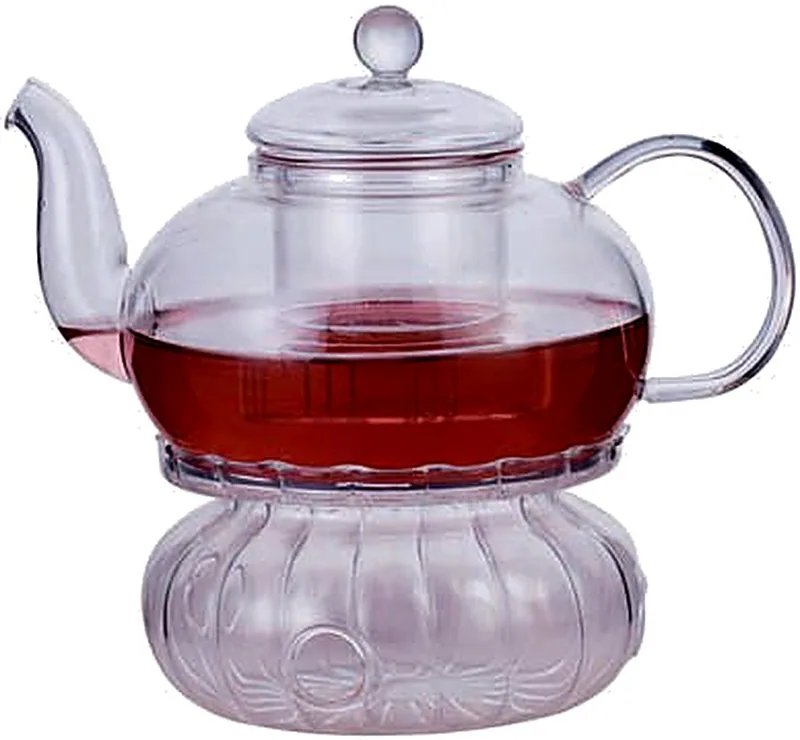
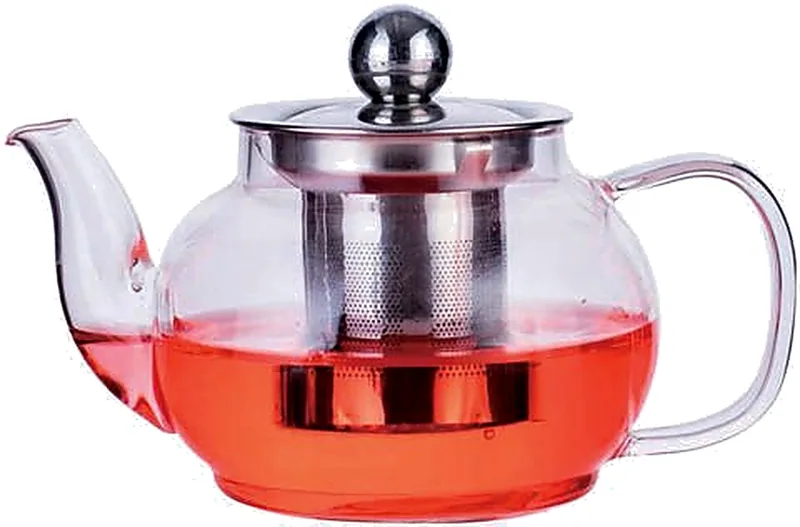
Glass Teapot with Warmer Base (TVD-1987) pairs a glass teapot with a candle warmer, so the tea stays hot at the table. The listed features are short and clear: a glass teapot and candle warmer, a glass lid, and the purpose of keeping tea hot while it is served. The warmer is a candle unit, not a plug-in element, so the product does not need mains power or batteries as described.
The listing does not give capacity, dimensions, the type of candle the stand takes, or burn time. Those are confirmed on your written quote, and they matter, because the stand determines the whole safety and usability picture.
Who buys it, and what each buyer needs
- Tea rooms and afternoon-tea venues buy it for the table. The warmer replaces trips to the kitchen for refills, and the glass shows the tea colour. These buyers need a stand that is stable on a small table and that suits the tea-light size they already stock.
- Cafés and restaurants may use it for a specialty tea service. A venue with a no-open-flame policy, or a landlord clause about candles, should check before ordering.
- Hotels and event planners sometimes use warmer pots for brunch or banquet tables. Venues and fire officials may have rules about open flames in function rooms, so confirm with the venue before specifying.
- Gift shops and homeware retailers sell it as a ready-made present, since the warmer makes the set feel complete. Gift shoppers tend to want clear instructions and warnings in the box.
- Online sellers should photograph the stand and the pot together and describe clearly that it uses a candle, to avoid returns from buyers who expected an electric warmer.
The warmer: practical questions
A candle warmer is a simple idea, but five points decide whether it is a good product on your shelf.
- Which candle? Ask what size and type of candle the stand is designed for, and whether candles are included or sold separately.
- Stability. Ask how the pot sits on the stand and whether it is held in place if a table is bumped.
- Glass and flame. The listing says glass, not which glass. Ask the factory in writing whether the glass is designed for heat from below, and for any limits.
- Warnings. Ask what instructions come with it and in which languages. Clear warnings about leaving a flame unattended protect your customers and your business.
- Empty pot. Ask the factory to state what happens if the stand is lit with little or no water in the pot, and make sure that guidance is in the instructions.
Because the product contains a flame source, treat it as a consumer product that must not be a danger to health or safety under the Canada Consumer Product Safety Act, which also expects incident reporting and allows recalls. That is a good reason to keep clear records of what you sold.
Compliance in plain terms
No certification mark is on file for this product, and we do not describe it as certified, approved or compliant. We confirm which documents exist and supply them with the quote before you order. If the version you order includes any electric or battery part, such as a light or an electric warming element, Canadian electrical certification from an accredited body, or a field evaluation, would apply. A US-only mark would not be enough. Our guide to CSA, cUL and cETL marks covers this.
Food-contact rules apply to the glass and lid. Selling food or drink in or with materials that may make it harmful is prohibited, and Health Canada does not pre-approve kitchenware, so buyers ask the factory for food-contact reports. Canadian rules limit lead and cadmium that can leach from glassware that contacts food; request a report for the pot and lid glass. Rules change, so confirm with the authority, your inspector or a customs broker. This is not legal advice. For a wider view, read our glass teapot compliance guide.
How to specify it: checklist for the quote
| Question for the quote | What a good answer looks like |
|---|---|
| Capacity and size | Stated in millilitres and centimetres, for pot and stand |
| Glass type and heat rating | Written statement of what the glass is designed for, including heat from below |
| Candle type and fit | Named candle size, and whether candles are included |
| Stand material | Stated, with finish and how it is attached or separate |
| Lead, cadmium and food-contact reports | Available for glass, lid and any metal part |
| Instructions and warnings | Supplied, with the language options for Canada |
| Retail box, barcode, carton size | Confirmed with minimums, sample availability and lead time |
How it compares with other teapots in the line
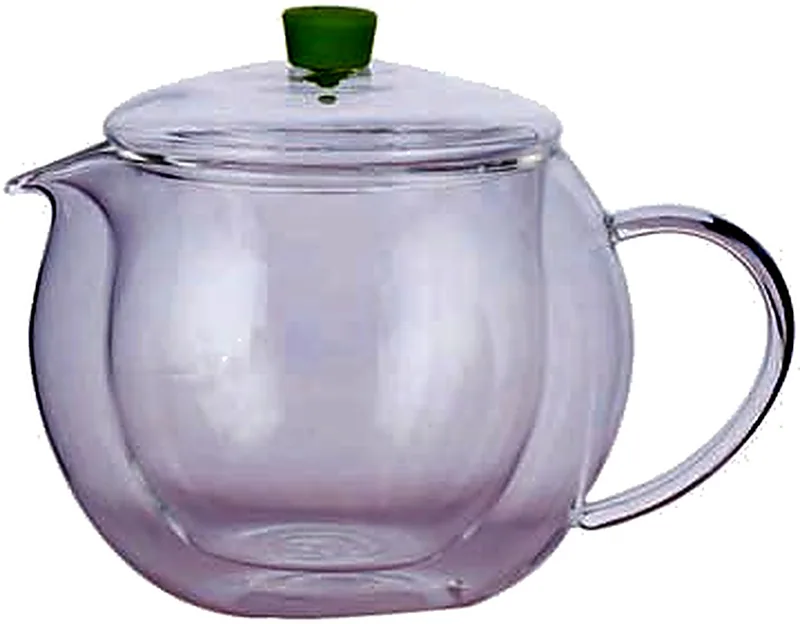
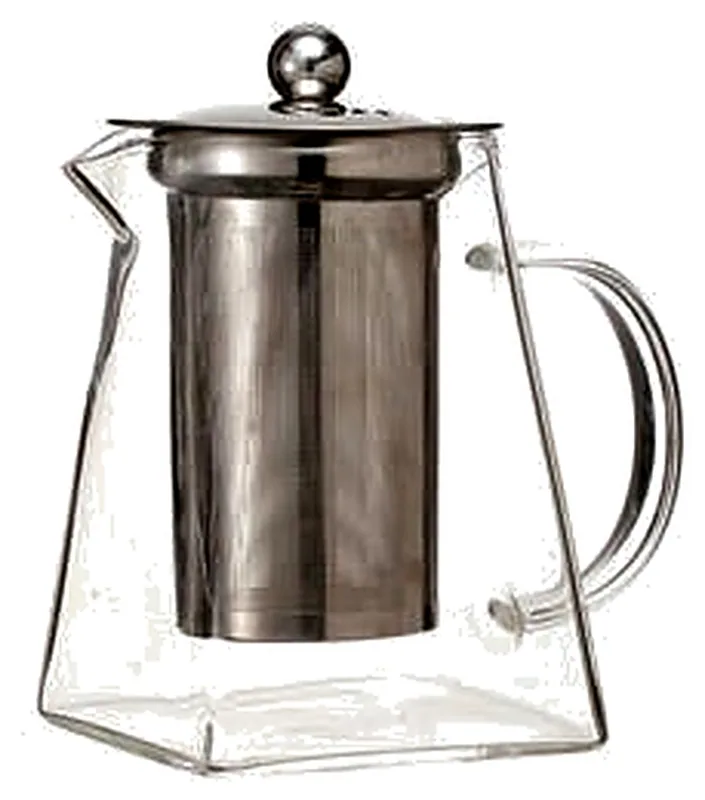
The Double-Wall Glass Teapot (TVD-1967) keeps tea warm through its double-wall construction rather than a flame, and it is covered in our double-wall teapot guide. It suits venues that do not allow candles. The glass-lid teapot collection covers TVD-1986 and a one-person set for plain brewing without a warmer. Glass Teapot with Steel Infuser, Square (TVD-1984) and Round Glass Teapot with Infuser (TVD-1985) bring a steel infuser. Choose TVD-1987 when keeping the pot hot at the table is the selling point and your venue accepts a flame.
Canadian use notes
Many Canadian buildings have specific rules about candles in public rooms. Restaurants, hotels and event spaces may be asked by their insurer, landlord or fire official about open flames, so settle that before ordering stock for service use. For shelf sale, make sure candles are clearly described as included or not, because some stores restrict sale of items with candles through their own policies.
Packaging has two parts here, a fragile glass pot and a stand that can shift in the box. Ask about separate compartments. In winter, let cartons warm to room temperature before unpacking glass. Labelling for retail follows the Consumer Packaging and Labelling Act, with bilingual product identity and net quantity, and in Quebec French for labels, instructions and warranty text, which should include the warnings.
Ordering
Every order is quoted in writing for your quantity and delivery address, with certification status, documents, packing, lead time and delivered cost. Many lines have low trial minimums, and samples are available on most items with the cost usually credited to the first order. Payment is a 30% deposit and 70% before release. See how ordering works, use the landed cost calculator for planning, and send a quote request. The glass teapot line page shows the rest of the range, and a free account shows full specifications.