Product guide ·
Kids Plates in Sets of 2, 3 and 4: Choosing a Pack Size for Your Shelf
Three printed kids plate products share one description and differ by pack count. Here is how to choose a pack size, and the children's product rules to check.
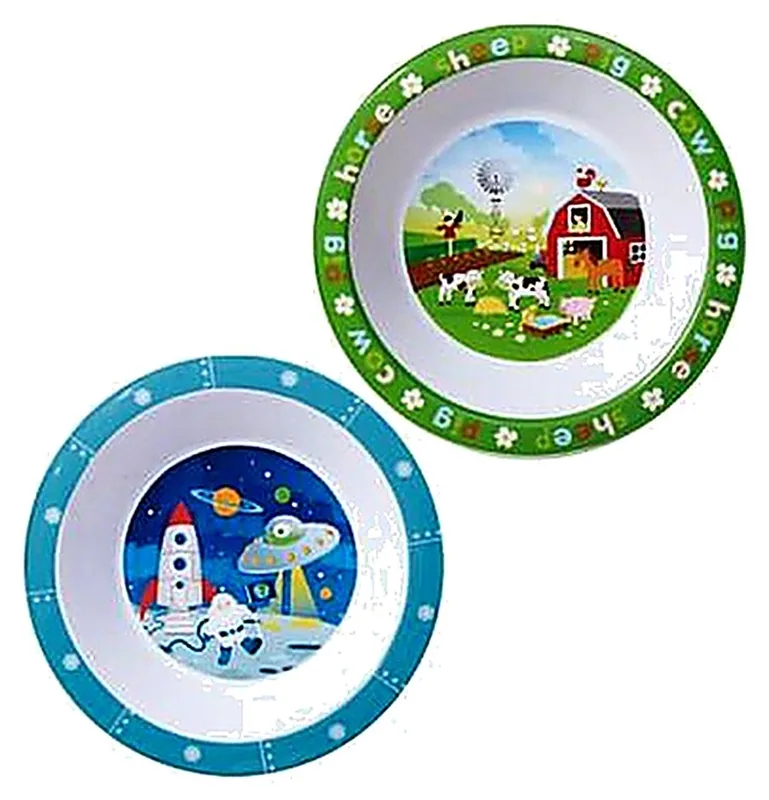
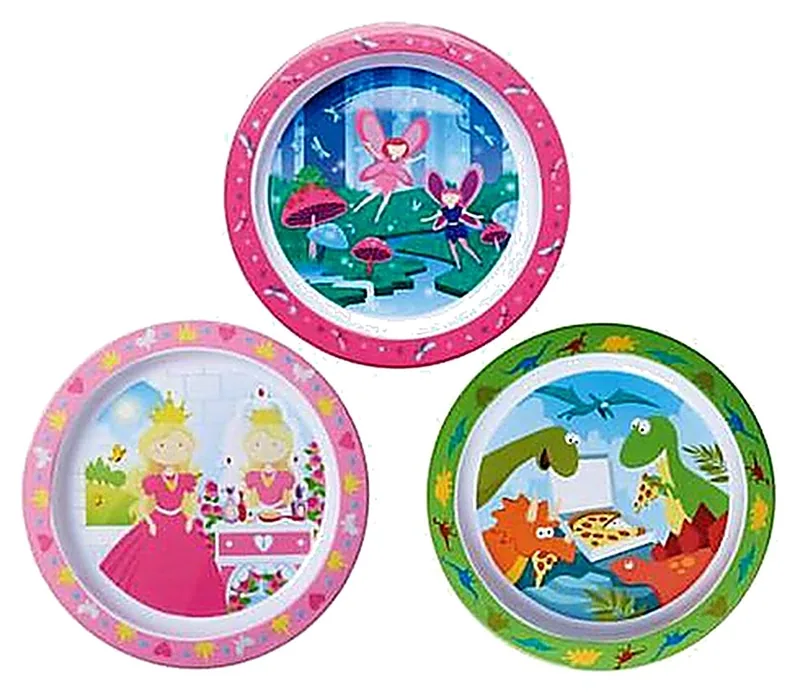
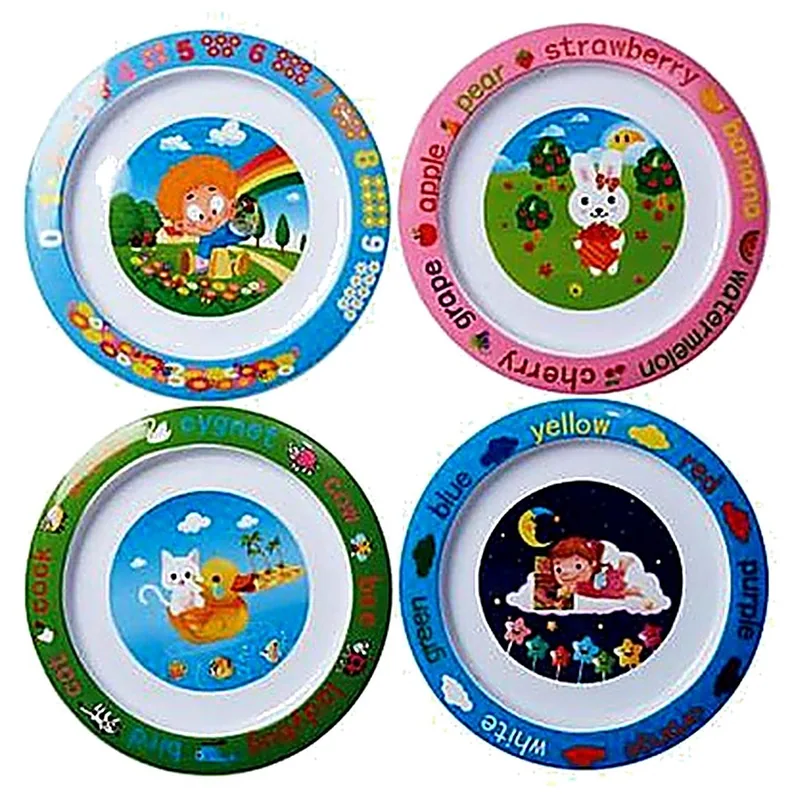
Three printed kids plate products sit side by side in our plastic drinkware line, and the only difference in their names is a number: the Kids Plates – Set of 2 (TVD-2702), the Kids Plates – Set of 3 (TVD-10303) and the Kids Plates – Set of 4 (TVD-10304). They share one product description, so the question for a buyer is not which design to pick but how many plates should go in a pack. This guide treats it as a pack-size decision and adds the children's product rules that apply to anything a child eats from.
What the three sets share
Our listing for all three shows printed kids plates. The same picture also shows tissue boxes and sports bottles, with a measuring cup alongside. That tells you the printed-children's-design family is wider than plates, and it gives you add-on ideas, but the listing does not say that those other items are included in each set. Plate size, material, print design, colours and whether the plates are rated for microwaves or dishwashers are confirmed on your written quote and your sample. Please do not copy any of those details from a competitor's pack onto yours.
Two, three or four: choosing a pack size
| Set | Natural buyer | Why that count |
|---|---|---|
| Kids Plates – Set of 2 (TVD-2702) | Gift shops, households, online sellers | A small pack for a sibling pair or a gift, good for a trial order |
| Kids Plates – Set of 3 (TVD-10303) | Discount and variety chains, party stores | An odd count that suits a party or a small family; check how the carton divides |
| Kids Plates – Set of 4 (TVD-10304) | Family retailers, daycare suppliers, hosts | A table for four, easy to explain on a shelf |
Pack size changes carton maths. A carton that holds sets of two will hold a different number of packs than one holding sets of four, so ask for carton quantity and size for each. Ask whether the sets are sold shrink-wrapped, boxed or carded, and how that changes the shelf footprint.
Who buys printed kids plates
- Discount and variety chains use them as an everyday basic with a bright print, in a back-to-school or party aisle.
- Gift shops use a pack of two as a baby-shower or birthday gift and a pack of four for a family.
- Daycare and school suppliers need counts that fit a table, and they ask the hardest questions about materials and washing.
- Online sellers can list all three counts as variants under one title, which improves search presentation.
- Households buy through buying groups and small shops for a school lunch table or a birthday.
Children's product rules to check
Anything a child eats from sits at the meeting point of several Canadian rules. The Food and Drugs Act prohibits selling food in or with materials that may make it harmful, and Health Canada does not pre-approve kitchenware. The Consumer Products Containing Lead Regulations set lead limits that include kitchen utensils and products for young children. Where a children's product carries paint or a surface coating, the Surface Coating Materials Regulations limit lead to 90 mg/kg and also limit mercury. Phthalate limits apply to soft vinyl in childcare articles and toys. The Canada Consumer Product Safety Act sits over all of this: it prohibits products that are a danger to human health or safety, requires incident reporting and allows recalls.
We have no certification mark on file for any of the three sets, so we do not call them certified or safe for children. We confirm the material, the printing method and the test reports that exist, and we supply the documents with the quote before you order. If a plate turns out to be ceramic or glass, the Glazed Ceramics and Glassware Regulations set lead and cadmium limits for pieces that touch food, and printed or metallic decoration near the edge is a known risk. Rules change, so confirm with Health Canada, your inspector or your customs broker. This is not legal advice.
Printed designs and wear
A printed kids plate gets scraped by forks and scrubbed in a sink. Ask how the print is applied, whether it sits under the surface or on top, and how it performs through washing. Approve the artwork and colours before production, because a printed run is not easily changed. If any dishwasher or microwave claim matters to you, wait for the factory's written statement, since the listing makes none.
Mixing set sizes in one order
- Order a trial quantity of each count and see which sells fastest.
- Ask for the same print in each count so shoppers see one family.
- Request retail packaging that shows the count clearly on the front.
- Confirm bilingual labelling and barcodes for each pack.
- Plan carton quantity and size with the three counts together to fill the container.
Labelling for retail
Prepackaged consumer products need bilingual English and French identity and net quantity, plus the dealer's name and place of business, under the Consumer Packaging and Labelling Act. For a set, the net quantity is the number of plates in the pack. In Quebec, labels, instructions and warranty documents must be available in French.
Read next
Each size has its own compliance guide: Set of 2, Set of 3 and Set of 4. For the wider line, see our plastic jugs, cups and drinkware compliance guide, browse the product line or compare the Clear Plastic Water Jug (TVD-2562) when you want a matching drink item.
How ordering works
Every order is quoted in writing for your quantity and delivery address, with specifications, certification status and documents, packing, lead time and delivered cost. The site shows no prices. Samples are available on most items; the cost is usually credited to the first order. Payment is 30% deposit and 70% before release, delivered anywhere in Canada. Start at how ordering works, check sales tax by province and send a quote request.