Product guide ·
Liqueur Glass, Tall Bowl (TVD-4136) and Seven Matching Designs: Wholesale Buying Guide
Eight pressed liqueur glasses share one description and differ by name and shape. Here is how to tell them apart, pick for your bar and order across Canada.
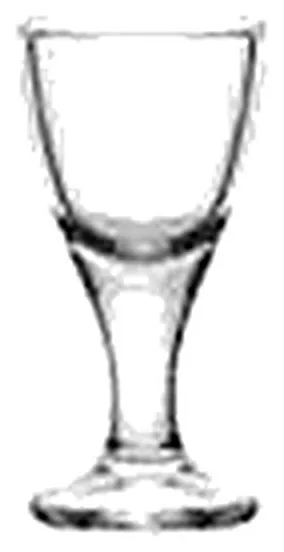
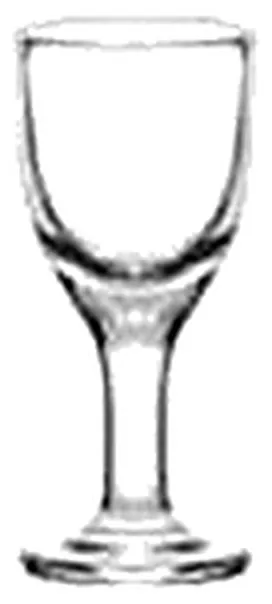
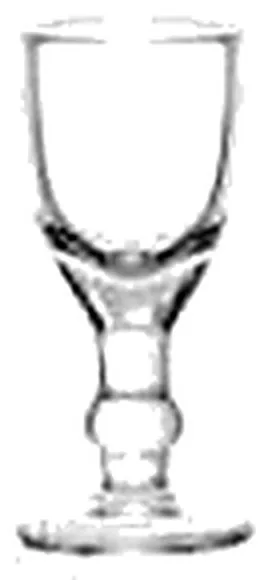
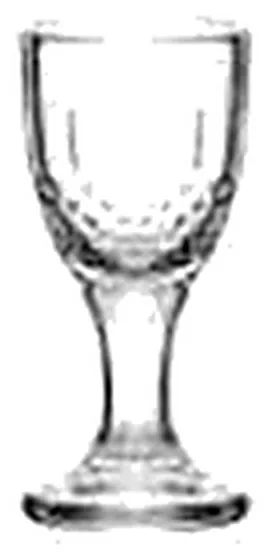
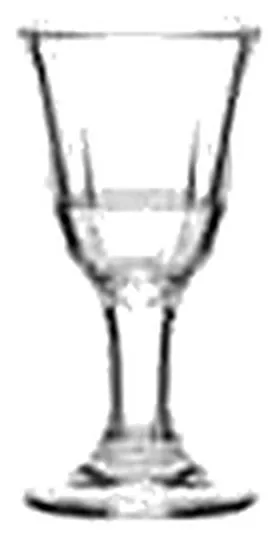
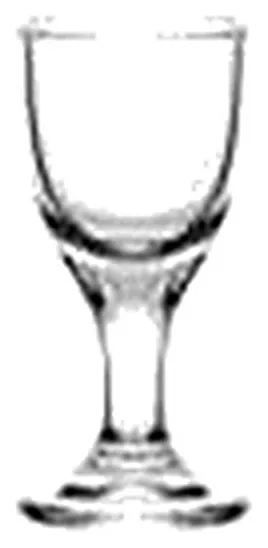
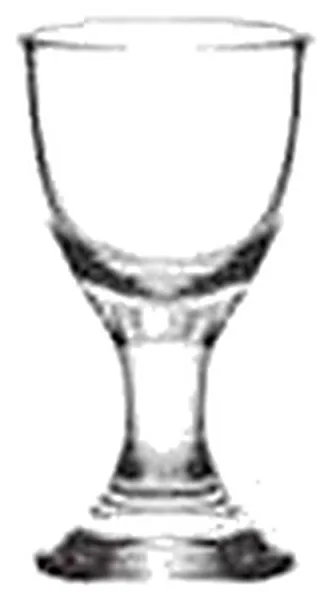
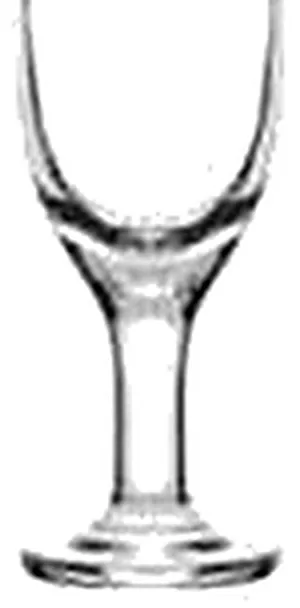
A bar's smallest glass often does the most work: a sipping liqueur, a digestif at the end of a tasting menu, a shot served on a board of three. Eight pressed glass designs share one description in our glassware line. They are the Liqueur Glass, Tall Bowl (TVD-4136), Liqueur Glass, Classic (TVD-10797), Liqueur Glass, Knob Stem (TVD-10798), Liqueur Glass, Diamond Bowl (TVD-10799), Liqueur Glass, Faceted (TVD-10800), Liqueur Glass, Slim (TVD-10801), Liqueur Glass, Wide Foot (TVD-10802) and Liqueur Glass, Narrow (TVD-10803).
What the eight share
All eight share one product description: a pressed shot glass series that also covers ashtrays and ice buckets, in many sizes. That is everything our product listing says, so it is also everything we claim. They differ in name and shape, not in any specification we can state today. Capacity, height, weight and glass grade for each design are confirmed on your written quote. We would rather tell you that plainly than invent a table of millilitres.
The wording about ashtrays and ice buckets tells you the series is a family of pressed pieces from one factory line, not a single glass. If you only want drinking glasses, say so on the quote and we will price only those. If you want an ice bucket for bar service, ask for it by name, because an ice bucket touches ice that ends up in a drink.
How the eight designs differ
| Design | What the name tells you | Where it tends to fit |
|---|---|---|
| Tall Bowl (TVD-4136) | Taller bowl on a stem | Sipping liqueurs served with coffee |
| Classic (TVD-10797) | Traditional, plain shape | Back-bar stock that suits any menu |
| Knob Stem (TVD-10798) | A knop in the stem | Table service where grip matters |
| Diamond Bowl (TVD-10799) | Diamond-style bowl treatment | Gift or occasion service |
| Faceted (TVD-10800) | Cut-style flat faces | Light-catching bar displays |
| Slim (TVD-10801) | Slender profile | Tight shelves and flight trays |
| Wide Foot (TVD-10802) | Broad base | Busy rooms where stability helps |
| Narrow (TVD-10803) | Narrow opening | Aromatic spirits and small pours |
These readings come from the product names only. Treat them as a starting point, then ask for a sample of the two or three that look right.
Choosing between them for your venue
- Cocktail and spirits bars usually want one hero design and a backup. Pick a stable shape such as the Wide Foot or Classic for volume pouring, and a more decorative one for a flight.
- Restaurants with an after-dinner trolley or digestif list tend to look at the Tall Bowl and Knob Stem, because a stem keeps warm hands off the liqueur.
- Hotels with minibars or lounge service care about nesting and tray fit, which favours Slim and Narrow shapes.
- Event rentals value a single design they can rack by the hundred and replace like for like. The plainest shape is easiest to match later.
Mixing designs in one order is straightforward: they can be quoted together, with minimums confirmed per design.
A checklist for the quote
- Which of the eight designs, and the quantity of each.
- Capacity and height for each, and whether a measured fill line is available for regulated pours.
- Glass material and grade, and rim finish.
- Whether the factory rates the glass for dishwasher use or for hot and cold swings.
- Whether you also want ashtrays or ice buckets from the series, with their sizes.
- Lead and cadmium test results, and food-contact reports for the product and market.
- Carton quantity and size, and divider packing for stemmed pieces.
Canadian rules to plan for
Glass that holds alcohol is food-contact glass. The Food and Drugs Act prohibits selling food in or with materials that may make it harmful, and Health Canada does not pre-approve kitchenware. Buyers ask factories for food-contact test reports. The Glazed Ceramics and Glassware Regulations set lead and cadmium limits for glassware that contacts food, and decorated or metallic bands near the lip are a known risk, so a faceted or diamond design with any applied decoration should come with a lead and cadmium report.
No certification mark is on file for any of the eight, so we make no certification claim; we confirm what documents exist and send them with the quote before you order. Rules change, so confirm with your health unit or a customs broker. This is not legal advice. Retail packs sold to consumers need bilingual product identity and net quantity under the Consumer Packaging and Labelling Act, and Quebec buyers need French on labels and instructions. For the line-level view, see our glassware compliance and import guide.
Canadian use notes
Shot-sized glasses move fast on busy nights and hit steel sinks and dish racks hard. Bars in winter climates also see glass go from a cold storeroom to a hot wash cycle, so ask about thermal tolerance and test a sample. Our British Columbia restaurant glassware guide covers west-coast venues, and the Premium Dining Stemware guide is useful if you are building a full glass list that includes wine and champagne.
Ordering
All orders are quoted in writing with quantity, specifications, certification status, packing, lead time and delivered cost to your address. Samples are available on most items and the sample cost is usually credited to the first order. Payment is 30% deposit and 70% before release, and glass can ship in a consolidated container with other lines. Start with the quote request, see how ordering works, and browse the glassware and drinkware line. Delivered cost depends on tariff classification and provincial tax; use the landed cost calculator for a planning view.