Certification guide ·
Mini Display Fridge Certification in Canada: Marks, Lighting and Paperwork
A lit display fridge on the front counter is seen by customers and inspectors alike. Here is how a Canadian café owner can check TVD-10824 before it ships.
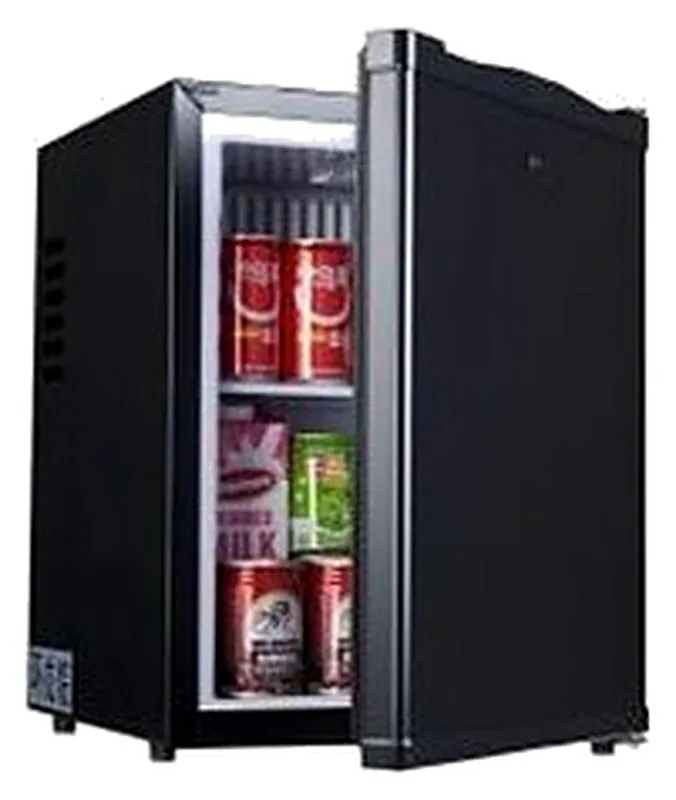
The Mini Display Fridge (TVD-10824) is built for beverage and open-air displays, uses LED lighting and is aimed at cafés and grab-and-go counters. That job description raises a different set of questions from a back-kitchen cabinet: the unit is in public view, it sits close to heat sources and it carries internal lighting wired to the same supply as the compressor. There is no certification mark on file for TVD-10824. Below is what you should require before an order is placed, and how we deal with the gaps.
Three layers of rules for a front-of-house fridge
1. Electrical safety
Plugged-in products must carry a mark from a certifier recognised by the Standards Council of Canada, or a field evaluation label. In practice buyers look for CSA, cUL or cETL. The lower-case "c" matters: it signals Canadian evaluation, whereas a US-only UL or ETL logo will not satisfy a provincial inspector. Our short guide on how to read CSA, cUL and cETL marks goes through each one. Provincial electrical safety bodies enforce this; Ontario's is the Electrical Safety Authority.
2. Lighting and wet areas
The LED strips are part of the appliance, so the mark should cover the cabinet as a complete unit rather than just a driver or a lamp. Counters get wiped down with sprays and cloths, and a showcase is often cleaned with water near its base. Ask the factory what protection the lighting and controls have from splashes, and what the cabinet's rating is for a damp location where that applies.
3. Food premises
The public health inspector wants equipment that is durable, cleanable and kept sanitary. Many health units, landlords and franchisors name NSF/ANSI 7 for refrigeration, or an equivalent sanitation mark. It is not a federal law, so ask your own health unit what it needs at the pre-opening visit.
Voltage and frequency on a counter unit
Many compact units are designed abroad for 220 V and 50 Hz. Canadian supply is 120 V or 240 V single-phase, and commercial buildings often have 208 V or 600 V three-phase, all at 60 Hz. A showcase fridge usually goes on a standard receptacle, so the first check is that the cord, plug and rated amperage suit an ordinary outlet. Timers, controllers and compressors can misbehave on the wrong frequency, which is why we ask the factory for a Canadian-supply rating plate before quoting.
Document table for TVD-10824
| Document | What it proves | Source |
|---|---|---|
| Canadian electrical mark, or field evaluation report and label | Cabinet, controls and lighting are accepted by the inspector | Accredited certification body |
| Rating label showing supply and plug type | Built for Canadian supply at 60 Hz | Factory, checked on our quote |
| Wiring and lighting description | LED circuit is part of the assessed unit | Factory data sheet |
| Sanitation certificate, where your health unit asks | Cleanable, food-safe surfaces for displayed food and drinks | Sanitation certification body |
| Food-contact statement for shelves and trays | Materials will not make food harmful (Food and Drugs Act) | Factory, test reports if available |
| Energy regulation screening | Shows if the category may be regulated by Natural Resources Canada | Our review |
| French labels and manual | Quebec retailers expect French wording | Factory |
If a document is missing
The typical failure is simple: the cabinet arrives with the factory's own logo and no Canadian mark, the inspector declines to connect it and the counter stays empty. Your insurer may also ask questions if a fault in an uncertified fridge leads to a claim. A franchisor's fit-out manager can refuse the unit outright. The slower fix, a field evaluation by an accredited body, is sometimes possible, but it costs time and must be arranged before opening day. That is why we raise the question early.
Differences across provinces
- Quebec: the Charter of the French language asks that labels, instructions and warranty papers can be provided in French. Cafés and retailers there should request them at quote stage.
- Ontario, BC and Alberta: each has its own electrical safety regime and its own way of running health inspections, so the same cabinet can meet a different conversation in each city.
- Atlantic Canada: shipments typically come through Halifax or Saint John, or by rail and truck from Montreal, so the paperwork needs to be ready when the container clears.
How we handle it for you
Before an order, we state in writing whether a recognised mark is present on the cabinet and list the papers that accompany it. If none is on file, as with this model today, we explain the route, which may be a field evaluation, and let you decide with that information in hand. Our customs broker confirms the tariff classification before we give a delivered cost. Start with a quote request, see the steps on how ordering works, and use the landed cost calculator for planning. Product pages show full specifications to signed-in buyers once you register a free account.
Planning a whole café opening? The double tank fryer certification guide covers a gas-or-electric appliance, and the commercial kitchen category page for Canada lists delivery options. Standards and local practice change, so treat this as general information, not legal advice, and confirm details with your electrical authority, health inspector or customs broker.