Certification guide ·
Double tank open fryer: gas and electric certification routes in Canada
The fuel you choose decides which authority reads your paperwork. Here is how TVD-10812 is handled for gas and electric versions, and what to request before ordering.
Two tanks of hot oil, two fuel options, one inspection
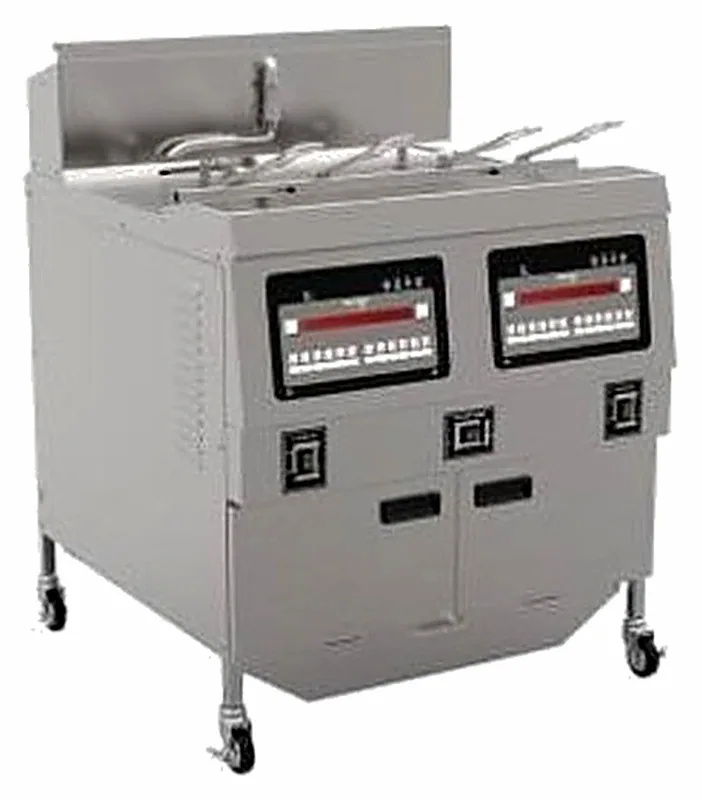
The Open Fryer, Double Tank (TVD-10812) is listed with single and double tank versions, gas or electric heating and thermostatic control. That short list already tells a Canadian buyer where the paperwork will go: a fuel choice that splits the certification route in two, and a heated oil vessel that attracts attention from food inspectors and fire reviewers alike. Electrical, food and gas rules all apply to the fryer.
No certification mark is on file for TVD-10812. We confirm the certification status and send the documents with the quote before you order.
Choose the fuel first, because the documents follow it
| If you choose | What the Canadian rules expect | Who checks it |
|---|---|---|
| Gas version | A recognised certification to the gas food-service equipment standard (CSA/ANSI Z83.11, CSA 1.8), natural gas or propane set up correctly, installation by a licensed gas fitter | Provincial gas safety branch, such as TSSA in Ontario, Technical Safety BC or the Régie du bâtiment du Québec |
| Electric version | A Canadian electrical mark from a body accredited by the Standards Council of Canada (CSA, cUL, cETL) or a field evaluation label; commercial cooking appliances are certified to a CSA C22.2 standard | Provincial electrical safety authority, such as the Electrical Safety Authority in Ontario |
| Either version | Food-premises expectations: durable, cleanable, sanitary; NSF/ANSI 4 is the common cooking example | Local public health inspector, landlord, franchisor |
A gas fryer still has electrical content in most designs, for example a controller or ignition, which is why electrical rules apply to both versions. Ask the factory to list every powered part for the version you pick.
Gas details to pin down
- Natural gas or propane: the burner orifices differ, so state the fuel at quote stage.
- Supply pressure at your site, because the appliance is set for a specific range.
- Input rating and connection size, so the gas fitter can size the line.
- A recognised gas certification on the data plate. Equipment without one can be refused at inspection; a field approval is sometimes possible but costly.
Electric details to pin down
- Voltage, phase and frequency. Canadian commercial supply is 208 V or 600 V three-phase and 120 V or 240 V single-phase at 60 Hz. A unit rated 220 V / 50 Hz must be confirmed as built for Canadian voltage and 60 Hz.
- Whether the element and thermostat are covered by the mark, or only the shell.
- Plug or hard-wire, because it decides who connects it.
What the thermostat and double tank mean for the inspector
Thermostatic control keeps the oil at a set temperature, so ask how that control is built and what stops it from overheating if it fails. Two tanks mean two oil volumes, and a kitchen will often use one for each product type; the practical compliance consequence is drainage and cleaning. Ask how the oil is drained, what the tank walls are made from and how the area between tanks is cleaned. Provincial food premises rules expect equipment to be easy to clean. Where the fryer sits under an exhaust hood, the hood and any fire protection are set by your local authority, so involve them early. We do not quote a rule number for that because the requirement depends on the building.
Compared with the single tank and pressure models
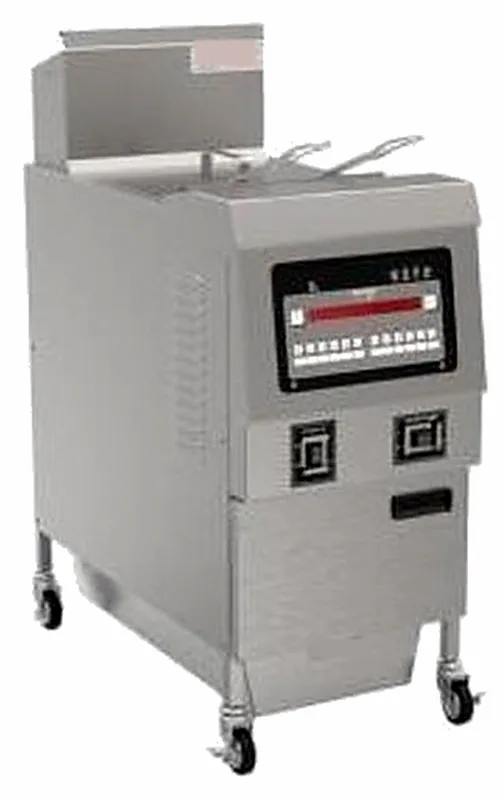
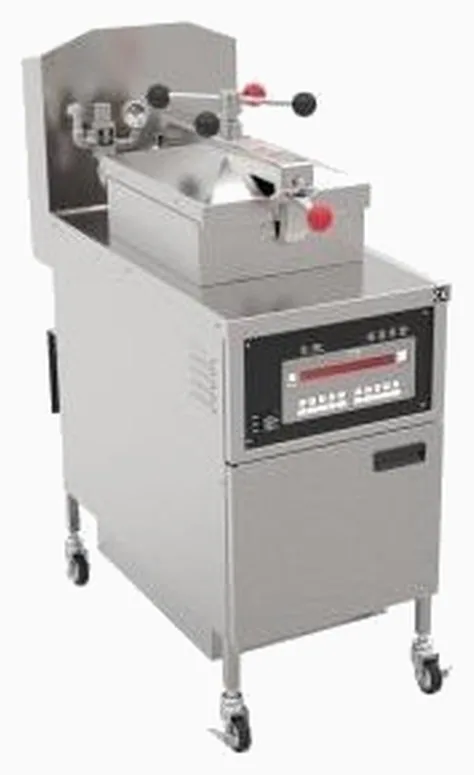
The Open Fryer, Single Tank (TVD-594) shares the same listed points, so the paperwork route is the same and only the tank count differs. The Pressure Fryer (TVD-595) is a sealed pressure design for chicken and quick-service kitchens, and a sealed vessel raises extra questions we would put to the factory separately. For a full gas-appliance walk-through, see the gas range with oven compliance guide.
Province notes
- Ontario and British Columbia each have a named gas safety body that wants a licensed fitter; our Ontario guide and British Columbia guide cover local buying notes.
- Alberta has its own gas rules; read the Alberta guide.
- Quebec: gas work falls under the Régie du bâtiment du Québec, and manuals and warranty text must be available in French.
- Nova Scotia and Atlantic Canada: see the Nova Scotia guide for freight and sales tax.
If the mark is missing
Gas equipment without a recognised certification can be refused at inspection and may not be allowed to run. Electric equipment without a Canadian mark can be refused by the electrical authority. Landlords and insurers may follow suit. The cost of finding out after delivery is much higher than the cost of asking before the order.
How we handle it
We state the fuel, ratings, certification status and documents on the written quote, and we price any field evaluation before you commit. Payment is 30% deposit and 70% before release; see how ordering works. Send your fuel type and province through the quote request. Rules change, so confirm with the gas or electrical authority, your inspector or your customs broker. This is general information, not legal advice. Browse the commercial kitchen equipment line for related items.